
Looking for a real pad thai restaurant? The best ones nail three things: fresh ingredients, balanced flavors, and a chef who actually knows Thai cooking.
A solid pad thai restaurant doesn't just throw noodles and sauce together. They stir-fry to order, use quality tamarind paste, and know the difference between a pad thai made for tourists and one made for Thai families. If you're hunting for genuine pad thai in Seattle, here's what separates the good spots from the rest.
Related: Best Thai Noodle Restaurant 2026: Top 5 Seattle Spots Ranked
What Makes a Pad Thai Restaurant Stand Out
Not every restaurant slinging pad thai is actually doing it right. The best pad thai restaurants share some clear patterns.
First, they use fresh noodles or dried rice noodles that are cooked fresh to order, not pre-made batches sitting under heat lamps. You'll notice the difference immediately. Fresh noodles have a slightly chewy texture and pick up sauce better.
Second, they balance sweet, salty, sour, and spicy. A rushed pad thai tastes one-dimensional. A real pad thai restaurant layers these flavors so each bite feels complete. That balance is the signature of a chef who trained in Thailand or learned from someone who did.
Third, authentic pad thai restaurants keep their ingredient list tight. You're looking for rice noodles, tamarind, fish sauce, lime, eggs, bean sprouts, peanuts, and protein. Anything else is an add-on, not a shortcut.
What to Order When You Visit a Pad Thai Restaurant
Walk into a quality pad thai restaurant like Yoksod Noodles and Thai and you'll see the menu has more than just pad thai. Here's how to navigate it.
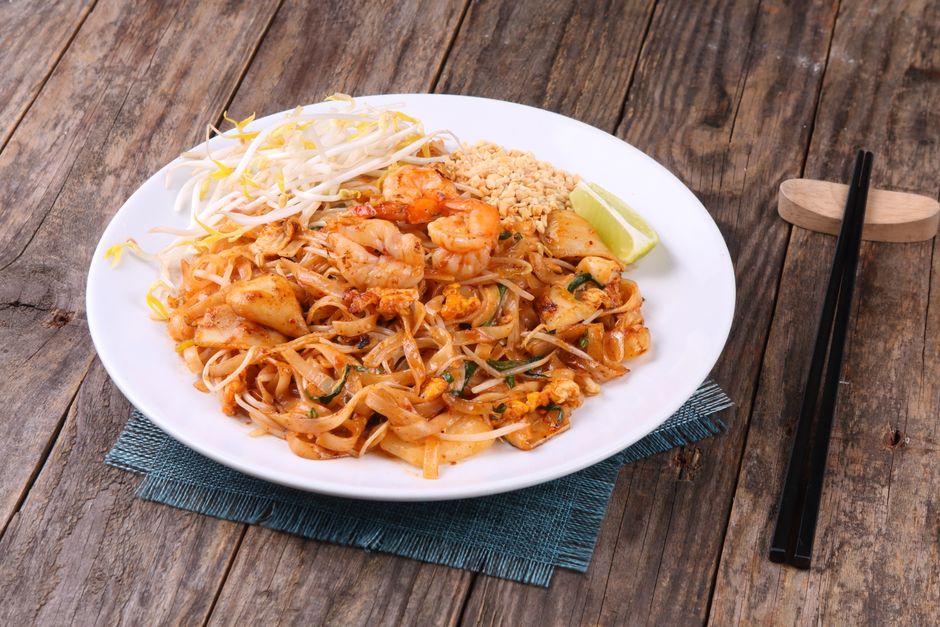
Start with pad thai itself if you're new to Thai food. It's mild enough for beginners but flavorful enough for people who know what they're doing. Ask for it medium spice unless you're comfortable with heat. Most good pad thai restaurants will dial the spice level to your preference.
Order Thai tea as your beverage. Thai tea is traditionally made with specific tea leaves and spices, and it cuts through the richness of the noodles perfectly. It's sweet, creamy, and a signature part of the experience at any legit pad thai restaurant.
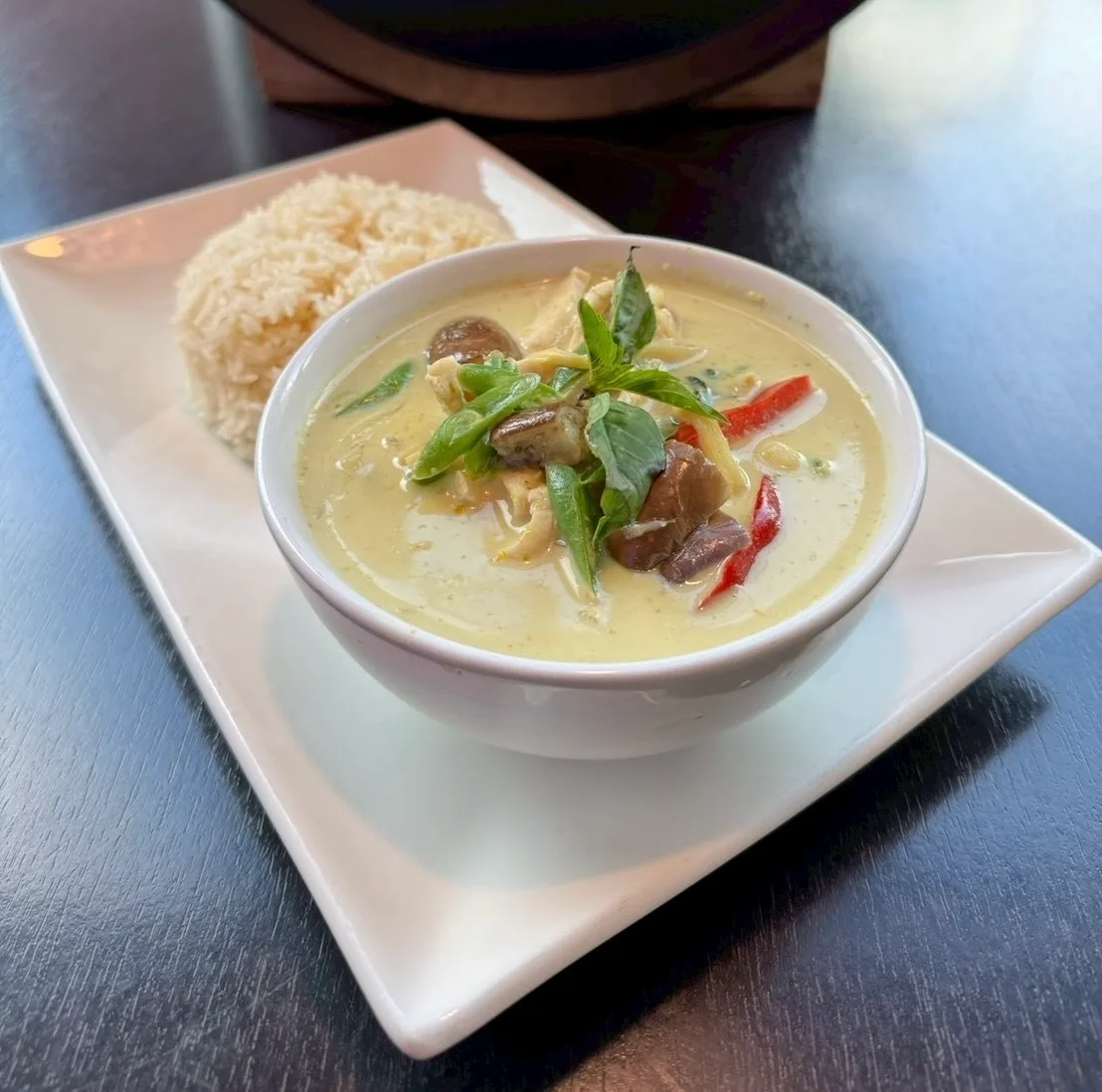
Add a curry if you want to explore. Red curry and green curry are milder entry points before you move to spicy dishes. A good pad thai restaurant will have a chef who can explain which curry matches your spice tolerance.
Don't skip the side of lime wedges and crushed peanuts. These let you customize your dish at the table, which is how Thai food is meant to be eaten.
How to Spot a Legit Pad Thai Restaurant
Red flags are easier to spot than you'd think.
If the pad thai looks orange or red, it's probably made with ketchup instead of tamarind. Real pad thai is brown or tan. The color matters because it tells you what's in the sauce.
If the menu has 200 dishes, the kitchen isn't focused. A serious pad thai restaurant has maybe 30-40 items, and the chef knows every one by heart.
If your pad thai arrives in under three minutes, it wasn't made fresh. Good pad thai restaurants cook to order, which takes time. That's actually a good sign.
If the restaurant has a Thai chef leading the kitchen, trust it more. Look at the staff visible from the dining room. At Yoksod Noodles and Thai, you can tell the kitchen is run by people who care about technique and authenticity, not just speed.
Hungry?
Order Now →Dine-In vs. Online Ordering at a Pad Thai Restaurant

Most pad thai restaurants in Seattle now offer both dine-in and online ordering, which is great for you.
Related: Best Thai Restaurant for Online Order in Seattle
Dine-in is the better experience if you have time. You get your food at the right temperature, the chef can adjust spice and flavor on the fly if you ask, and you taste the difference immediately.
Online ordering (takeout or delivery) works fine for pad thai, but quality does drop a little. The noodles cool down, and the sauce separates. If you're ordering online, eat within 15-20 minutes of getting home. That time window makes a huge difference.
Pro tip: if a pad thai restaurant offers online ordering, test them with dine-in first. See if you trust their quality. Then decide if takeout is worth it for you.
Regional Variations You Might See at a Pad Thai Restaurant
Authentic pad thai restaurants sometimes tweak recipes based on regional Thai cooking styles or local ingredients.
Some use more tamarind for a tangier pad thai. Others go sweeter. Neither is wrong. Both are legitimate interpretations of the dish across different regions of Thailand.
A few restaurants add unique proteins like duck or shrimp instead of chicken. These are special menu items, not the standard pad thai, but they show the chef is creative and knows how to balance flavors beyond the basics.
The best pad thai restaurants respect tradition but aren't afraid to offer choices. That's the mark of confidence in their cooking.
How to Order Like You Know What You're Doing
Here's a simple framework for ordering at any pad thai restaurant.
Start by asking the server: "What's your pad thai like?" Listen to their answer. If they just say "good," they're not invested. If they describe the balance of flavors or how they make it fresh, you're in the right place.
Specify your spice level clearly. Use numbers (1-5) or say "mild," "medium," or "hot." Don't assume they know what you mean by "a little spicy."
Ask about add-ons. Want extra peanuts? Tofu instead of chicken? More lime? Good restaurants say yes to all of this.
Order one pad thai and one curry dish to share if you're with someone. This lets you taste the range of what the kitchen can do.
Why Fresh Ingredients Matter at a Pad Thai Restaurant
The difference between a pad thai restaurant that uses fresh ingredients and one that doesn't is night and day.
Fresh bean sprouts taste crisp. Stale ones taste watery and limp. Fresh lime makes the sauce pop. Bottled lime juice tastes flat and sour, not bright.
Fresh fish sauce smells strong but tastes balanced. Old fish sauce tastes rotten no matter how small the amount. That's why the quality of your pad thai hinges on ingredients you might not even taste individually but absolutely taste together.
When you eat at a pad thai restaurant committed to fresh ingredients, you notice the difference after one bite. That's what you're paying for.
Getting the Most Out of Your Pad Thai Restaurant Experience
You want to leave satisfied and excited to come back.
Go during off-peak hours (2-4 PM or after 9 PM) if you want to chat with the chef or server. They have more time to explain dishes and answer questions.
Try something new each visit. Pad thai is great, but a real pad thai restaurant offers curries, stir-fries, and soups worth exploring.
Ask about seasonal dishes or specials. Good restaurants rotate ingredients based on what's fresh, and those dishes often surprise you in the best way.
Bring friends. Thai food is meant to be shared. You taste more dishes, the experience feels more social, and the restaurant benefits from your enthusiasm.
Finding Your Go-To Pad Thai Restaurant in Seattle
The hunt for a reliable pad thai restaurant is worth the effort. Once you find one you trust, you'll go back regularly.
Look for places where the staff seems happy and knowledgeable. That means the restaurant treats them well, which usually means they treat customers well too.
Check if they source ingredients thoughtfully. Some pad thai restaurants highlight where they source their Thai ingredients or mention they make certain items in-house. That's a sign they care about quality.
Read reviews, but focus on comments about freshness, flavor balance, and consistency. Ignore complaints about wait times or decor. Those vary by day and personal preference.
Visit a pad thai restaurant a few times before deciding it's "your place." One bad night doesn't mean the kitchen is bad. One great night doesn't guarantee consistency.
What's the difference between pad thai and other Thai noodle dishes?
Pad thai uses rice noodles, tamarind, fish sauce, and lime as the flavor base. Other Thai noodle dishes like pad see ew (wide noodles with soy sauce) or pad krapow (holy basil stir-fry) use different noodles and sauces. Each dish has its own balance of flavors and texture. At a good pad thai restaurant, the menu explains these differences clearly.
Can you make pad thai spicy or mild at a pad thai restaurant?
Absolutely. Authentic pad thai restaurants adjust spice levels by adding or removing chili peppers and chili paste. Tell your server your spice preference, and a good kitchen will respect it. Pad thai tastes great at any spice level as long as the other flavors stay balanced.
Is pad thai from a pad thai restaurant better than frozen pad thai from a grocery store?
Yes, significantly. Fresh pad thai made to order has better texture, brighter flavors, and tastes nothing like frozen versions. Grocery store pad thai heats unevenly, the noodles get mushy, and the sauce tastes flat. A pad thai restaurant uses fresh ingredients and technique that frozen food simply can't match. The difference is worth the cost.
Should you eat pad thai with a fork or chopsticks?
Either is fine. Forks are practical for twirling noodles. Chopsticks are traditional. Many pad thai restaurants give you a choice. Use whatever feels comfortable. A good restaurant doesn't judge your eating style.
Hungry?
Order Now →