When you're making Thai food at home, the difference between "okay" and "wow" comes down to one thing: fresh Thai herbs. These aren't just flavor add-ons. They're the backbone of every curry, soup, and stir-fry that tastes authentically Thai.
Let's break down the exact fresh Thai herbs used in cooking, how to identify them, and how to use them so your food actually tastes like it came from Bangkok instead of a jar of paste.
The Six Essential Fresh Thai Herbs You Need to Know
If you walk into any Thai kitchen, you'll see the same core herbs showing up again and again. These aren't fancy or exotic anymore. Most grocery stores with a decent produce section now stock them, and if you're serious about cooking Thai at home, you'll want to learn these inside and out.
Thai Basil (Holy Basil)
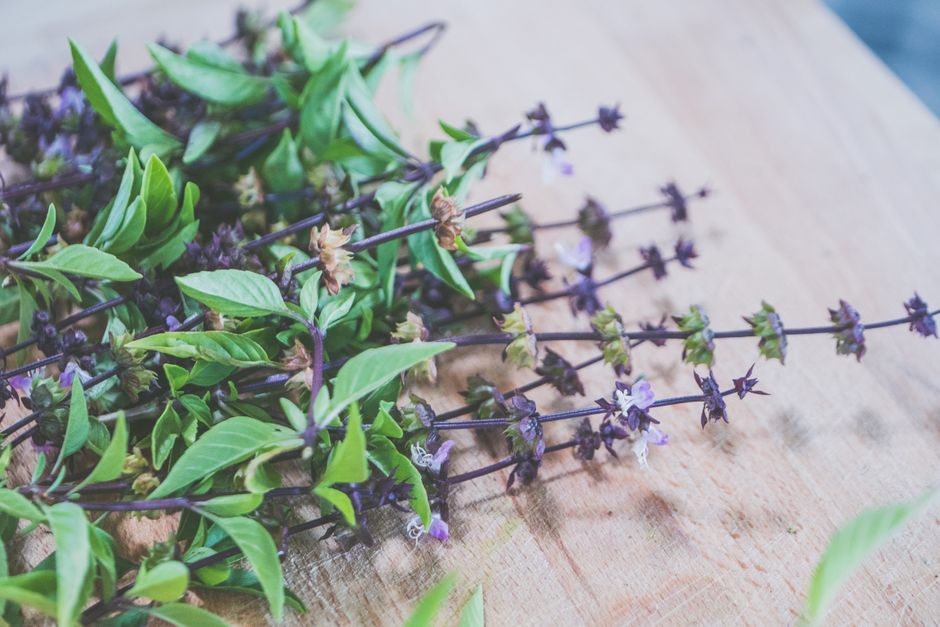
This is probably the biggest trap for home cooks. You cannot substitute Italian basil for Thai basil. They're completely different plants. Thai basil has a more aggressive, almost licorice-like flavor with hints of clove and anise. Italian basil is softer and sweeter.
Related: Thai Khao Soi Noodle Soup in Seattle: A Complete Guide
Related: How to Enjoy Thai Dining Experience: Complete Guide
You'll recognize Thai basil by its thinner leaves and reddish stems. The smell is totally different too, even from across the room. Thai basil goes into curries, stir-fries, and certain noodle dishes. Add it at the very end of cooking so the heat doesn't destroy those delicate flavors. Bruise the leaves slightly before using to release the oils.
Lemongrass
Lemongrass is like the MVP of Thai cooking. It shows up in curries, soups (especially tom yum), pastes, and marinades. The whole plant is useful, but you're mainly using the bottom third of the stalk, which is the white and pale green part.
Here's how to prep it: peel off the tough outer layers until you hit the tender inside. Then you can slice it thin, smash it, or pound it into a paste depending on what you're making. The flavor is bright, citrusy, and slightly floral. A little goes a long way.
Galangal (Thai Ginger)
Galangal looks like ginger's cousin. It's a rhizome (underground stem), so it grows the same way. But the flavor is completely different. Galangal has earthy, piney, almost medicinal notes. It's less spicy than ginger and way more complex.
You'll find it fresh in Thai markets and increasingly in regular supermarkets. Peel it the same way you'd peel ginger, then slice or pound it. It's essential in curry pastes and tom kha gai (coconut chicken soup). The flavor gets more mellow as it cooks, so don't be afraid to use a generous amount.
Kaffir Lime Leaves
These dark green, bumpy leaves pack an insane amount of citrus flavor into something the size of your fingernail. One leaf can perfume an entire curry. They're essential in tom yum soup, red and green curries, and Thai salads.
You can buy them fresh or frozen. Frozen is totally fine, actually. Just rip or slice them before adding to your pot. The rough texture releases the oils better than cutting them with a knife. Don't eat the whole leaf—it's fibrous and tough. Thais typically remove them before serving, though some people leave them in for the visual.
Cilantro (Coriander)
Here's something most home cooks get wrong: in Thai cooking, you use the entire cilantro plant, not just the leaves. The stems and roots have serious citrus flavor that the leaves alone can't deliver. The roots especially are packed with essential oils.
Cilantro bruises easily, so handle it gently. If you're using it raw (like for a garnish or in a salad), add it just before serving. If you're adding it to a curry paste or soup, you can use it earlier. The leaves will wilt and that's fine. Just make sure you're getting the full plant—roots and stems included—when you buy it.
Thai Chili Peppers (Chilli Padi)
These small, intensely hot peppers form the foundation of basically every Thai curry paste. They're not just heat, though they definitely deliver that. They add a bright, fruity flavor that mellows and deepens as they cook.
You can buy them fresh, dried, or ground. Fresh gives you the most control and the brightest flavor. Wear gloves when you're handling them, and definitely don't touch your face. The heat can vary wildly between peppers, even from the same batch, so taste as you go when you're making pastes or sauces.
How Fresh Thai Herbs Work Together
The magic of Thai cooking isn't in using these herbs separately. It's in how they combine.
Take a green curry paste: you're pounding together green chilies, lemongrass, galangal, garlic, shallots, cilantro roots, and kaffir lime leaves into a fragrant, spicy base. Each herb does something specific. The lemongrass adds brightness. The galangal adds depth. The cilantro roots add earthiness. The lime leaves add that signature Thai citrus. Together, they create a flavor profile you can't get any other way.
This is why authentic Thai cooking is so hard to replicate with dried herbs or store-bought pastes. Fresh herbs release volatile oils that make the food taste alive. They oxidize. They change texture as they cook. They interact with heat in ways that powders just can't.
Buying and Storing Fresh Thai Herbs
Your best bet for finding these herbs is an Asian market. They'll have better quality, better prices, and actually know what's in season. That said, most of these are available year-round in US supermarkets now, especially in cities like Seattle where Thai food has a solid community.
For storage: keep leafy herbs like Thai basil and cilantro in a damp paper towel inside a plastic bag in your fridge. They'll last about a week. Lemongrass, galangal, and lime leaves last longer. You can wrap them loosely and refrigerate them for 2-3 weeks. If you want to freeze them, that works too. Frozen herbs lose some texture but keep most of their flavor.
Pro tip: buy a little extra and experiment. Blend cilantro roots into your morning smoothie (sounds weird, tastes great). Make a quick stir-fry with whatever basil you have left. The more you work with these herbs, the better you'll understand how they work.
Using Fresh Thai Herbs in Your Own Cooking
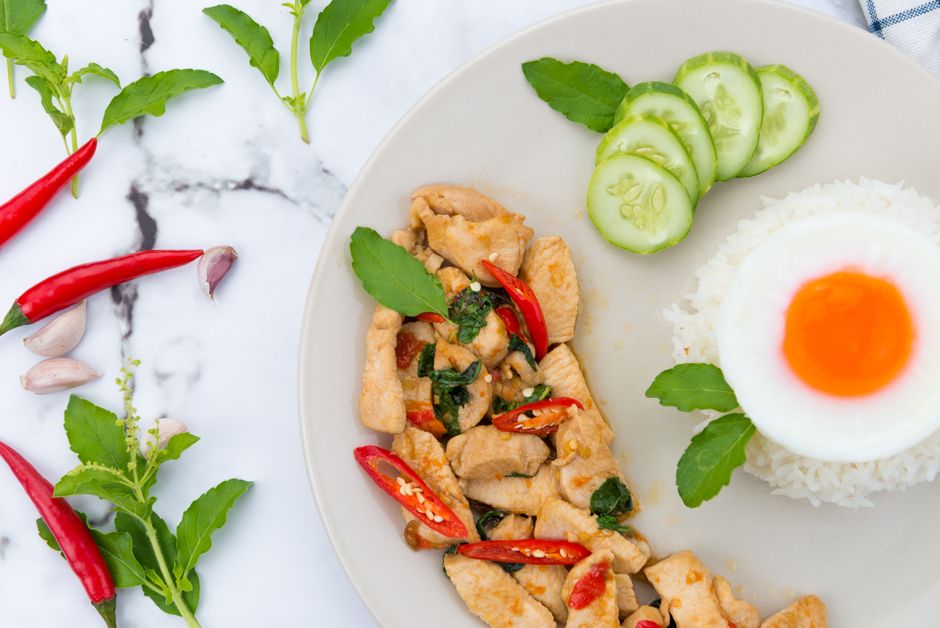
Start simple. Pick one curry recipe and commit to using fresh herbs. Notice how different it tastes from takeout made with pastes or powders. That difference is what you're building toward.
Most Thai herbs are best added in stages. Harder aromatics like galangal and lemongrass go in early so they have time to infuse. Fresh basil and cilantro go in at the very end. Kaffir lime leaves can go either way depending on what you're making.
If you want to see exactly how these herbs work in real Thai cooking, visit Yoksod Noodles and Thai and taste authentic Thai dishes made with fresh ingredients. Watching professionals use these herbs is honestly one of the best ways to learn.
Hungry?
Order Now →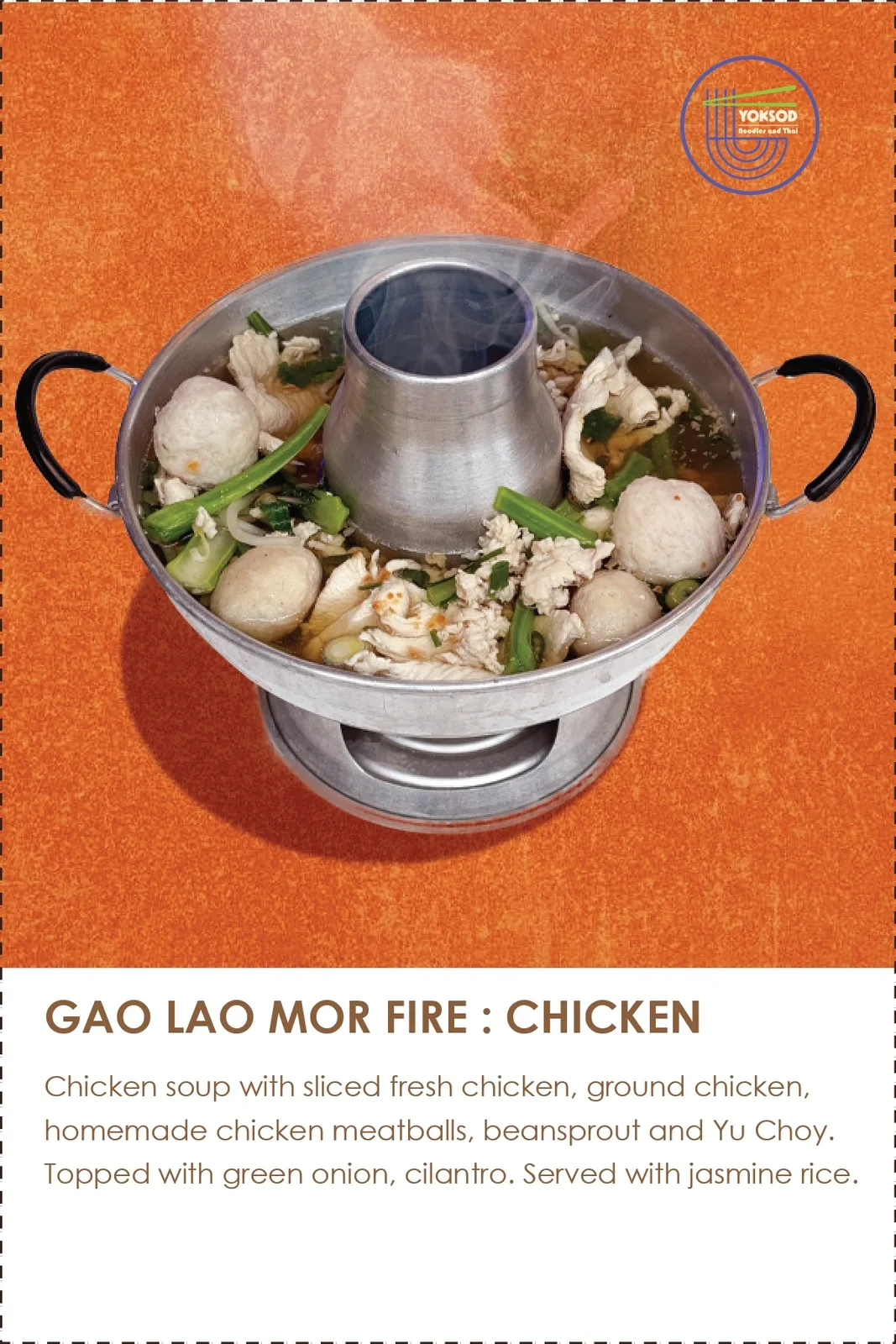
Keep tasting as you cook. Thai cooking is about balance, not following rules exactly. You might want more lime leaf flavor in your curry, or less galangal heat in your soup. That's the whole point. You're building your own palate.
Common Mistakes to Avoid With Fresh Thai Herbs
Don't buy dried herbs and expect them to taste the same. The flavor is completely different. Fresh is worth the extra effort.
Don't store these herbs in the open fridge door where they get jostled around. They bruise easily. Keep them in a stable spot where they're protected.
Don't add fresh basil to a dish that's still violently boiling. The heat will destroy the flavor and turn it dark. Wait until your curry or sauce comes off the heat, let it cool for 30 seconds, then add the basil.
Don't overthink it. If you can't find kaffir lime leaves, use regular lime zest and lime juice and move on. If your Thai basil is wilting, use it anyway. Cooking is about working with what you have, not getting paralyzed by perfection.
Where Thai Herb Knowledge Actually Comes From
These plants have been used in Southeast Asia for centuries. They're not just delicious. Many of them have documented health benefits, from anti-inflammatory properties to digestive support.
Thai cooking evolved in a specific climate with specific plants available. That's why these exact herbs matter. They're not interchangeable with Mediterranean herbs or Indian spices, even though those cuisines are also amazing. Thai food is Thai food because of these specific combinations.
If you want to go deeper, spend time in Thai restaurants and ask questions. Watch cooking videos from Thai cooks, not just Western food bloggers teaching Thai. The more you see these herbs used in their proper context, the better your understanding becomes.
Getting Started This Week

Pick a Thai recipe that uses at least three of these fresh herbs. Go to an Asian market or good grocery store and buy them fresh. Spend 30 minutes making the dish. Notice how bright and alive it tastes compared to anything you've made before.
That's the whole game. Fresh Thai herbs make the food taste different because they actually are different. Once you experience that taste, you'll never go back to shortcuts.
Fresh Thai Herbs: Your Next Steps
Start building your own Thai herb vocabulary this week. Buy lemongrass and Thai basil even if you don't have a recipe yet. Smell them. Feel them. Learn what they look like in person. Then pick one simple curry and go for it.
If you want to taste what professional Thai cooks do with these herbs, that's what Yoksod Noodles and Thai does every single day. Order a green curry or tom yum soup and pay attention to how fresh everything tastes. That's your target.
What's the difference between Thai basil and Italian basil?
Thai basil (also called holy basil) has a much stronger, almost licorice-like flavor with clove and anise notes. Italian basil is sweeter and softer. They're different plants. Thai basil is essential for authentic Thai cooking. Italian basil won't deliver the same flavor profile, even though both are "basil."
Can you freeze fresh Thai herbs?
Yes. Frozen Thai herbs work fine, especially for curries and soups where they'll get cooked. They lose some texture but keep most of their flavor. Wrap them loosely in plastic, label them, and use within a few months. Cilantro, lemongrass, and galangal freeze especially well.
Where can you buy fresh Thai herbs in the US?
Asian markets are your best bet for quality and price. Most Thai herbs are now available in regular supermarkets too, especially in areas with larger Thai communities. If your local store doesn't have them, ask the produce manager to order them. Many will do it with 24 hours' notice.
How do you use cilantro roots in Thai cooking?
Cilantro roots have serious citrus flavor that leaves alone can't deliver. Pound them into curry pastes, add them to soups, or blend them into sauces. They cook down and almost disappear, so don't worry about them being fibrous. Just make sure you're buying cilantro with roots attached, not just the leafy tops.
Hungry?
Order Now →