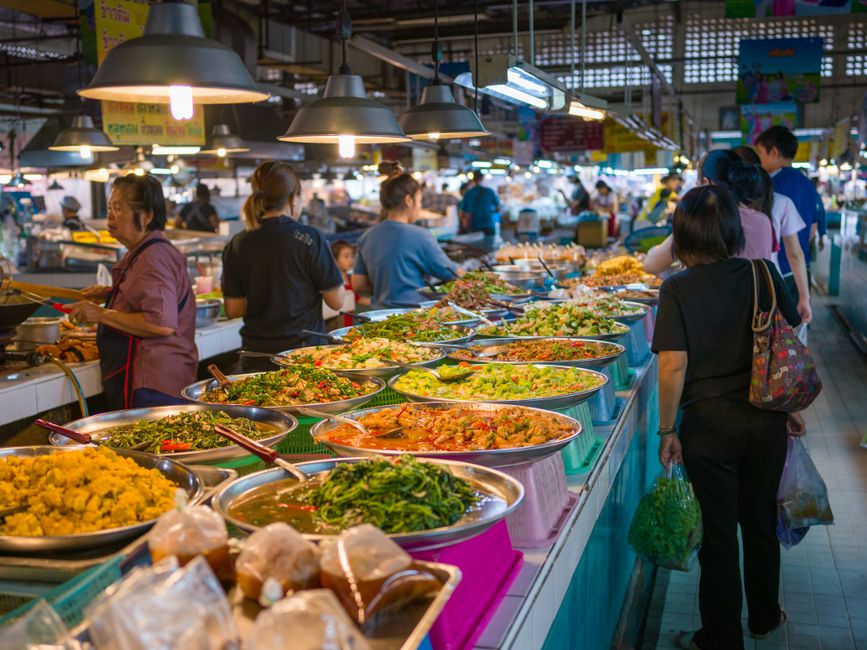
A real Thai dining experience isn't just about eating food—it's about understanding the culture, respecting the craft, and engaging all your senses. Whether you're visiting a traditional Thai restaurant for the first time or you're a regular who wants to level up, knowing how to enjoy Thai dining experience means learning a few key techniques and traditions that'll completely change how you taste and appreciate your meal.
Master the Proper Utensil Technique
Here's the thing that surprises most people: you don't eat Thai food with chopsticks or a knife and fork like Western dining. The authentic way is fork and spoon.
The spoon is your primary utensil. Your fork is there to help you compose your bite. Use the fork to gently push food onto the spoon, creating a balanced combination of protein, vegetables, and sauce. Then bring the spoon to your mouth. This method lets you control exactly how much of each element hits your palate at once.
Why does this matter? Thai cuisine is all about harmony. A perfect bite should have a little bit of everything—the herb, the protein, the sauce, the heat. When you master fork-and-spoon technique, you're not just following etiquette. You're actually tasting the dish the way the chef intended.
Understand Flavor Balance and Composition
Thai food is built on five core flavors that work together: sweet, salty, sour, spicy, and umami. Your job as a diner is to notice how these play off each other.
Don't just eat randomly from your plate. Pause between bites. Notice which flavors dominate. If something tastes too spicy, that's not a problem—that's a signal. The cook might have balanced it with sweetness from palm sugar or a creamy coconut base. Look for that contrast. Taste it.
When you're eating a curry, a stir-fry, or a noodle dish, the sauce is doing heavy lifting. It's not an accident that there's a specific amount of liquid in your bowl. The balance between the protein, vegetables, rice or noodles, and that sauce creates the complete experience. This is why eating Thai food mindfully—tasting each component—makes such a difference.
Related: Thai Rad Na Noodles with Gravy: A Complete Guide
Related: Traditional Thai Presentation and Plating: A Complete Guide
Choose Fresh, Quality Ingredients as Your Starting Point
The foundation of enjoying Thai dining experience begins before you even sit down. Seek out restaurants that prioritize fresh, local ingredients. Thai cuisine depends on the quality of its components.
Look for restaurants that talk about their sourcing. Fresh basil, galangal, lemongrass, and chilies make a dramatic difference. Seafood should smell fresh and clean, not fishy. Meat should look vibrant, not gray. When restaurants use high-quality ingredients, you can taste it immediately in the first bite.
Yoksod Noodles and Thai focuses on exactly this—sourcing quality ingredients and preparing them with care so you get authentic flavors that reflect real Thai cooking traditions. This commitment to freshness is non-negotiable for a real Thai experience.
Hungry?
Order Now →
Learn Basic Thai Language and Phrases
You don't need to be fluent, but knowing a few key phrases transforms your dining interaction from transactional to respectful and warm.
Start with these essentials:
- Sawadii (krap/ka): Hello. Krap if you're male, ka if you're female.
- Korp kun krap/ka: Thank you (very much).
- Mai pet: Not spicy.
- Pet nid noi: A little bit spicy.
- Aroi: Delicious.
Using these phrases, even with an accent, shows respect for the culture. Thai restaurant staff will appreciate the effort, and you'll often get better service, more genuine recommendations, and even little extras.
Explore the Menu Strategically

Thai menus can feel overwhelming. Curry, stir-fry, noodles, soup, salad—where do you even start?
Try this approach: order one dish you know you like, then try something completely new. Share plates if you're with others. This way you get to experience range without committing your whole meal to an experiment.
Pay attention to seasonal specials and house recommendations. These dishes are usually what the restaurant does best—what their kitchen is excited about right now. They're also made when the ingredients are at their peak freshness.
Don't skip the appetizers and sides. Spring rolls, satay, larb, and papaya salad aren't just starters—they're showcases for technique and flavor balance. They warm up your palate and set the tone for the rest of your meal.
Watch (or Learn About) Traditional Preparation Methods
Thai cooking relies on specific techniques that build flavor. Wok cooking at high heat, mortar-and-pestle grinding for paste bases, careful knife work—these aren't just steps, they're the difference between authentic Thai food and imitation.
If you get the chance to watch food being prepared—whether that's at an open kitchen counter or during a culinary workshop—pay attention. See how fast the wok cooks, how quickly vegetables go from raw to perfectly tender but still crisp, how the sauce clings to the noodles. Understanding the technique deepens your respect for what's on your plate.
restaurants that prioritize authentic preparation often take pride in their methods. Ask questions. Good cooks love talking about how they do what they do.
Pair Your Meal Thoughtfully
Beverages matter. Thai food is spicy, so your drink choice affects how you experience heat and flavor.
Thai iced tea is a classic for a reason—the sweetness and creaminess cool your palate between bites. But also consider coconut water, which is refreshing and authentic. If you drink alcohol, beer is traditional and works well with spicy food. Some restaurants have curated cocktail programs that complement specific dishes.
The key: sip, don't gulp. Let your drink enhance each part of the meal rather than just extinguishing heat. Cold water actually works against you with spicy food—capsaicin (the compound that makes peppers hot) is fat-soluble, not water-soluble. A creamy or slightly sweet beverage works better.
Engage All Your Senses
Before you eat, look at your dish. Notice the colors, the arrangement, the garnish. Then smell it. Thai food has aromatic ingredients—basil, cilantro, lime, garlic—that should hit your nose before your mouth.
Listen to the food if it's sizzling. Notice the texture when you take a bite. Is it crispy, tender, chewy, creamy? Thai cuisine uses contrast to make food interesting. A crispy shell around a tender center. A soft noodle against a crunchy vegetable.
This multisensory awareness turns eating into an experience. You're not just consuming calories. You're engaged with the dish.
Respect the Pace and Ritual

Thai dining isn't rushed. Meals are social occasions. Food arrives at different times, and that's intentional. Appetizers come first, then curries and stir-fries, then rice and noodles, then dessert and tea.
This pacing lets your palate reset between courses. It keeps food at the right temperature. And it gives you time to talk, enjoy company, and actually notice what you're eating instead of mechanically working through a plate.
When you're at Yoksod Noodles and Thai or any authentic restaurant, lean into this rhythm. Order strategically. Don't rush. Let the experience unfold.
Educate Yourself on Regional Styles
Thai cuisine isn't monolithic. Northern Thai food is different from Southern Thai, which is different from Northeastern (Isaan) or Central Thai.
Northern Thai tends toward milder, earthier flavors with sticky rice and meat-heavy dishes. Southern Thai features more coconut and is often spicier. Isaan emphasizes sour and spicy with lots of fresh herbs. Central Thai—the style most Western restaurants serve—balances all five flavors.
Knowing these differences helps you navigate the menu and understand why two curry dishes might taste completely different. It also helps you discover which regional style speaks to your palate.
Make It a Learning Experience
The best way to enjoy Thai dining experience is to approach it with curiosity. Ask your server about dishes you don't recognize. Ask about ingredients. Ask for heat-level recommendations.
Consider visiting the same restaurant multiple times. Build a relationship with the staff. You'll get personalized recommendations and a richer experience over time. Most importantly, try new things each visit. Your palate will expand, and you'll develop a deeper appreciation for Thai cuisine as a whole.
Want to deepen your knowledge even more? Look into Thai culinary traditions, cooking classes, or food documentaries. Understanding the culture behind the food makes every meal better.
People Also Ask
What's the correct way to eat Thai curry?
Use your fork and spoon to compose bites that include curry sauce, protein, vegetables, and rice or noodles together. Scoop the sauce onto your spoon with the fork's help. The goal is balance in every bite so you taste all the components at once.
Why is fresh versus frozen Thai food so different?
Fresh ingredients—especially herbs like Thai basil and cilantro, and fresh chilies—have oils and aromatics that degrade when frozen. According to food science research, freezing can damage cell structure and reduce flavor complexity. Fresh Thai cuisine tastes brighter and more vibrant because those aromatic compounds are at their peak.
Should I add soy sauce or fish sauce to my Thai dish?
Taste the dish first before adding anything. Most Thai dishes are already balanced and seasoned properly. If you add condiments, you're actually masking the flavors the chef carefully composed. If a dish genuinely needs adjustment, a tiny squeeze of lime is usually the safer choice than additional salty condiments.
Is it rude to ask for modifications to spice level?
Not at all. Most Thai restaurants expect and accommodate spice-level requests. The kitchen can adjust heat without compromising the dish's integrity. Simply tell your server upfront: "I'd like this mild" or "No spicy, please" before the food is cooked.
Hungry?
Order Now →