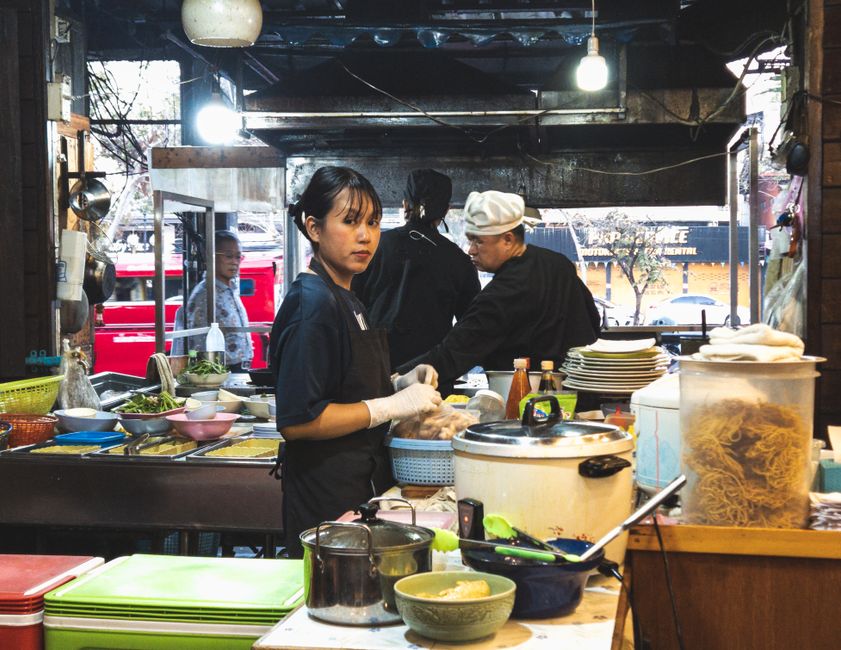
Thai rad na noodles with gravy are one of Thailand's best-kept lunch secrets, and honestly, they deserve way more attention than they get. At their core, rad na is chewy fresh rice noodles coated in a thick, silky savory gravy that's light but packed with umami depth. The noodles are the star, but the gravy is what makes this dish so craveable.
If you've never had rad na before, think of it as comfort food that hits different. The texture contrast between tender noodles and a smooth, savory sauce makes every bite satisfying. And the best part? It comes together in about 20 minutes total.
What Makes Thai Rad Na Noodles So Special
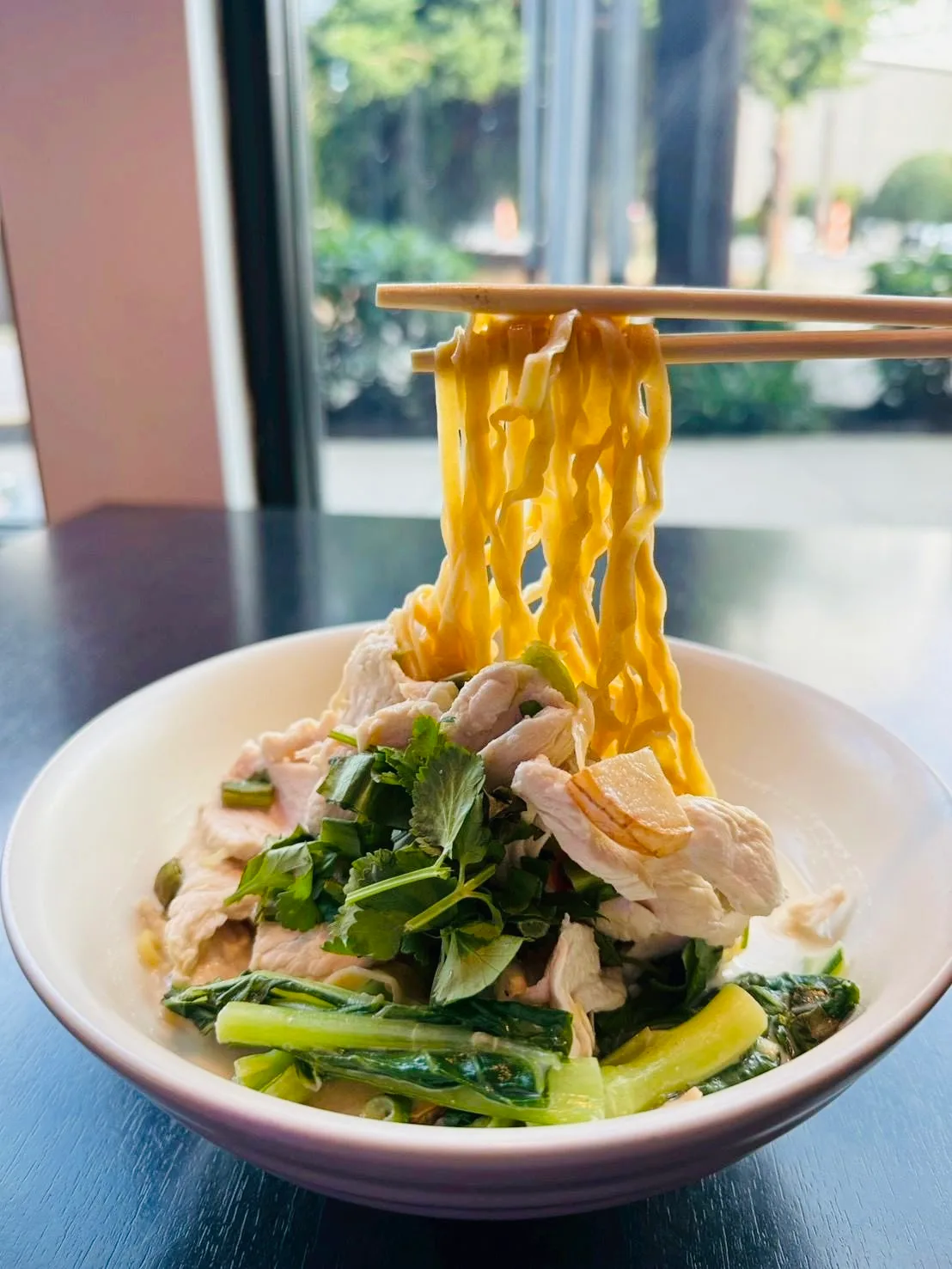
Rad na is technically a noodle dish, but it's really all about the gravy. That thick, silky sauce is what separates rad na from other Thai noodle dishes like pad thai or pad see ew. The gravy clings to every strand of noodle, creating this incredible texture that's almost like a warm noodle soup, but richer and more refined.
The noodles themselves are usually fresh rice noodles, sometimes lightly toasted or even charred before the gravy gets poured on. This gives them a subtle depth and keeps them from getting too soft when they soak up all that savory sauce.
What you'll notice right away is how the dish tastes light but satisfying. It's not heavy or oily like some Thai dishes can be. Instead, you get pure savory flavor with layers of umami that keep you coming back for another bite. Yoksod Noodles and Thai nails this balance perfectly, letting the fresh noodles and quality broth shine through without overwhelming your palate.
The Key Ingredients and How They Work Together
Every rad na dish starts with the same foundation: fresh rice noodles and a savory gravy base. But what goes into that gravy is where the magic happens.
The gravy is typically made from a light broth flavored with soy sauce, garlic, and sometimes a touch of oyster sauce. It's thickened with cornstarch to create that signature silky coating. The thickness is crucial because it needs to cling to the noodles without being gluey or heavy.
Your protein options are flexible. Pork is the traditional choice and what you'll find on most street carts in Thailand. Chicken works great if you prefer something lighter. Beef adds richness. And if you're vegetarian or vegan, tofu soaks up that gravy beautifully and becomes incredibly tender.
Related: Traditional Thai Presentation and Plating: A Complete Guide
Related: Best Thai Noodle Dishes Explained: A Complete Guide
Vegetables are layered into the gravy too. You might find broccoli, carrots, or leafy greens cooked down until they're tender and infused with flavor. Some versions include mushrooms or other umami-rich veggies that add depth to every spoonful.
How to Make Thai Rad Na Noodles at Home
Making rad na at home is surprisingly simple, and you don't need any special equipment. Here's the basic approach.
Step 1: Prepare Your Base
Start by heating oil in a pan or wok over medium-high heat. Add minced garlic and let it toast for just a few seconds until fragrant. This builds the foundation of your flavor.
Step 2: Cook Your Protein
Add your protein of choice to the pan. If you're using pork or chicken, cut it into small, bite-sized pieces so it cooks quickly and distributes evenly through the gravy. Cook until it's just done, then set it aside temporarily.
Step 3: Build the Gravy
In the same pan, add your broth (chicken or vegetable broth works fine). Add soy sauce and oyster sauce to taste. You want it savory and balanced, not too salty. Bring it to a gentle simmer.
Mix cornstarch with a little cold water to create a slurry. Slowly pour this into your simmering broth while stirring constantly. This is what creates that signature silky, thick consistency. Keep stirring until the gravy thickens and becomes glossy, about 1-2 minutes. It should coat a spoon but still flow easily.
Step 4: Add Vegetables and Protein
Toss your cooked protein and vegetables into the gravy. Let everything simmer together for another minute so the flavors blend.
Step 5: Prepare Your Noodles
Meanwhile, cook your fresh rice noodles according to package directions, or if you're using prepared noodles, just separate them gently with your fingers. Some recipes call for a quick pan-fry to add a little color and texture, but it's optional.
Step 6: Combine and Serve
Place your noodles in a bowl or on a plate. Pour that beautiful, steaming gravy and all its contents right over the top. Garnish with sliced green onions, crispy garlic if you have it, or a pinch of white pepper. Serve immediately while everything is hot.
Why This Dish Is a Hidden Gem of Thai Street Food

In Thailand, rad na is everywhere. Night markets, lunch carts, casual eateries, you name it. But somehow it hasn't blown up internationally the way pad thai has, and that's honestly a shame because it's equally deserving.
Part of its charm is that it's not flashy or Instagram-famous. It's just honest, comforting food that Thai people eat when they want something warm and satisfying. There's no complicated flavor profile to deconstruct. The appeal is straightforward: tender noodles in silky, savory gravy with meat and vegetables.
The other reason rad na deserves more love is versatility. Unlike some dishes that are locked into one flavor profile, rad na adapts easily to what you're in the mood for. Swap in different proteins, adjust the sauce thickness, add more or fewer veggies. It's flexible without losing its identity.
When you want authentic Thai flavors done right, places like Yoksod Noodles and Thai understand that rad na isn't about complexity for its own sake. It's about respecting the ingredients and letting them speak for themselves.
Hungry?
Order Now →Flavor and Texture Profile Breakdown
Let's talk about what your taste buds actually experience when you eat rad na.
Flavor
The primary taste is savory umami, coming from the soy sauce, oyster sauce, and the cooked protein. But it's not one-dimensional. There's a subtle sweetness from the oyster sauce and the natural sweetness of the broth, balanced by the saltiness from soy. Garlic adds aromatic depth. Some recipes include a touch of white pepper for a gentle heat that's more about complexity than spice.
Texture
This is where rad na really shines. You get chewy, slightly springy rice noodles. They're coated in a thick but silky gravy that clings to every strand. The protein is tender and pulls apart easily. Vegetables are cooked until soft but still have some structural integrity. Every bite is a mix of textures that work together instead of competing.
The overall eating experience is warm, comforting, and deeply satisfying in a way that's hard to put into words until you've actually had it.
Common Variations You Might Encounter
While the base formula for rad na stays pretty consistent, there are regional and restaurant variations worth knowing about.
Rad Na Moo (with pork) is the classic version you'll find most often. The pork is usually a mix of ground meat and small chunks for texture variety.
Rad Na Gai (with chicken) is lighter and great if you prefer poultry. Chicken absorbs the gravy beautifully and cooks quickly.
Rad Na Tao Hu (with tofu) is the vegetarian standard. Tofu becomes incredibly creamy and tender when it's cooked in the gravy.
Some places add shrimp. Others use seafood-based broths for extra depth. You might see versions with extra vegetables like bok choy or mushrooms worked into the sauce.
The beauty is that no matter the variation, the core identity of the dish stays intact. It's always about that noodle-and-gravy combination that makes you want to keep eating.
How Rad Na Differs from Other Thai Noodle Dishes

If you're familiar with Thai cuisine, you might wonder how rad na stacks up against pad thai, pad see ew, or other noodle favorites.
Pad thai is lighter and drier, with sauce distributed across the noodles through tossing. Rad na is saucier and more cohesive, with a thick gravy that coats everything.
Pad see ew uses wide rice noodles or egg noodles with a darker soy-based sauce and is usually stir-fried. Rad na uses thinner rice noodles in a thicker, more soup-like gravy.
Rad na also tends to be less spicy than many Thai noodle dishes. It's not about heat or sharp flavors. It's about depth and comfort.
Think of rad na as the cozy sweater of Thai noodle dishes. It's warm, it fits well, and you reach for it when you want something familiar and satisfying. For an authentic experience, Yoksod Noodles and Thai brings that same approachable, high-quality take to their version.
Tips for Getting the Best Results When You Make It
If you're planning to make rad na at home, these tips will help you nail it.
Use Fresh Noodles if Possible
Fresh rice noodles have a texture that dried noodles just can't match. They're chewier and more delicate. If you can find them at an Asian market, grab them. They're worth the extra trip.
Don't Skip the Garlic Step
Toasting the garlic in oil before building the gravy adds layers of flavor that make all the difference. It takes 10 seconds and transforms the whole dish.
Get Your Cornstarch Right
Too much cornstarch makes the gravy gluey. Too little and it stays thin. Start with a small amount and add more if needed. The gravy should coat a spoon but still flow off it smoothly.
Cook Everything Separately First
Don't dump everything into one pan and hope it works out. Cook your protein, make your gravy, prepare your noodles. Then combine everything at the end. This gives you control and better results.
Serve Immediately
Rad na is best eaten right after it's made, when the noodles are still tender and the gravy is hot. Letting it sit makes the noodles absorb too much liquid and lose their texture.
Why Rad Na Deserves a Spot on Your Dinner Rotation
If you're looking for a Thai dish that's truly comforting but still feels special, rad na checks every box. It's quick to make, endlessly adaptable, and delivers serious satisfaction in every bite.
It's also a great dish to cook for other people. Everyone gets it immediately. There's no learning curve or acquired taste. It just tastes good and makes you feel full and content.
Whether you're experimenting with Thai cooking at home or looking for an authentic version prepared by someone who knows the dish inside and out, rad na is worth seeking out and trying. Once you taste a really well-made version, you'll understand why it's such a staple in Thailand.
People Also Ask
Is Thai rad na noodles the same as chow fun or other rice noodle dishes?
Not quite. Rad na is defined by its thick, silky gravy that coats the noodles. Chow fun is stir-fried with a thinner sauce and has a different texture overall. Rad na is closer to a saucy noodle dish, while chow fun is drier and more about the noodles themselves. The cooking methods are also different—rad na brings everything together at the end, while chow fun is all tossed together in a wok.
Can you make rad na ahead of time or is it better fresh?
Rad na is definitely best fresh, but you can prepare components ahead. Make your gravy a few hours in advance and reheat it gently before serving. Cook your protein ahead too. But prepare your noodles fresh and assemble the dish right before eating. The texture difference between a freshly made bowl and one that's been sitting is noticeable.
What's the best way to get the noodles chewy instead of soft?
Use fresh rice noodles and cook them just until tender, not mushy. Some cooks give them a quick pan-fry in oil before topping with gravy—this adds texture and keeps them from absorbing liquid too quickly. Cook your noodles at the very end, right before serving, so they're still warm and have the best texture.
Why is rad na so popular in Thailand if it's not well known internationally?
According to food culture research on Asian cuisines, rad na became a lunch staple because it's affordable, fast to make, and deeply satisfying. It's real street food for regular people, not a dish that was specifically marketed internationally like pad thai was. It's popular where it matters most—among people who actually live in Thailand and eat it regularly.
Hungry?
Order Now →