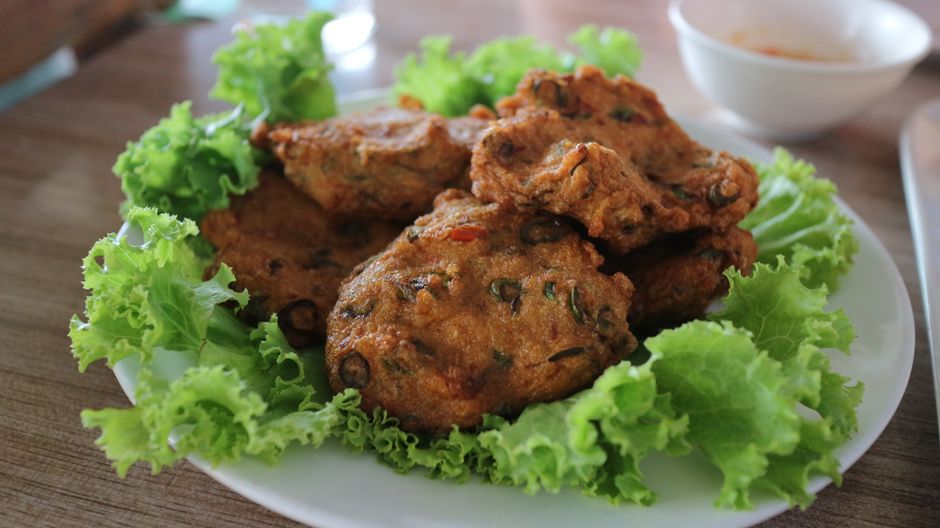
Traditional Thai presentation and plating is way more than just putting food on a plate. It's an art form that takes the same care and attention as the cooking itself. When you understand the core techniques, you'll appreciate why authentic Thai dishes look so stunning and why that visual impact actually enhances the eating experience.
The Foundation: Layering and Base Building
The foundation of most traditional Thai dishes starts with a solid base. Rice is typically your starting point, creating a stable platform for everything else.
Here's how it works: you spread your rice evenly across the plate, then layer your protein (chicken, shrimp, beef, or tofu) on top. This layering approach does two things at once. First, it keeps different components from mixing together on the plate. Second, it creates natural height and dimension that makes the dish look more refined.
Curries, stir-fries, and noodle dishes all follow this principle, but the execution changes based on the dish type. With a curry, you'll drizzle the sauce strategically so it doesn't completely soak the rice. With a stir-fry, you're placing cooked vegetables and protein in organized clusters rather than just dumping everything into a pile.
When you order from Yoksod Noodles and Thai, you'll notice this attention to base and layering in every dish. It's not accidental. It's deliberate craftsmanship.
Color and Contrast: Making Your Plate Pop
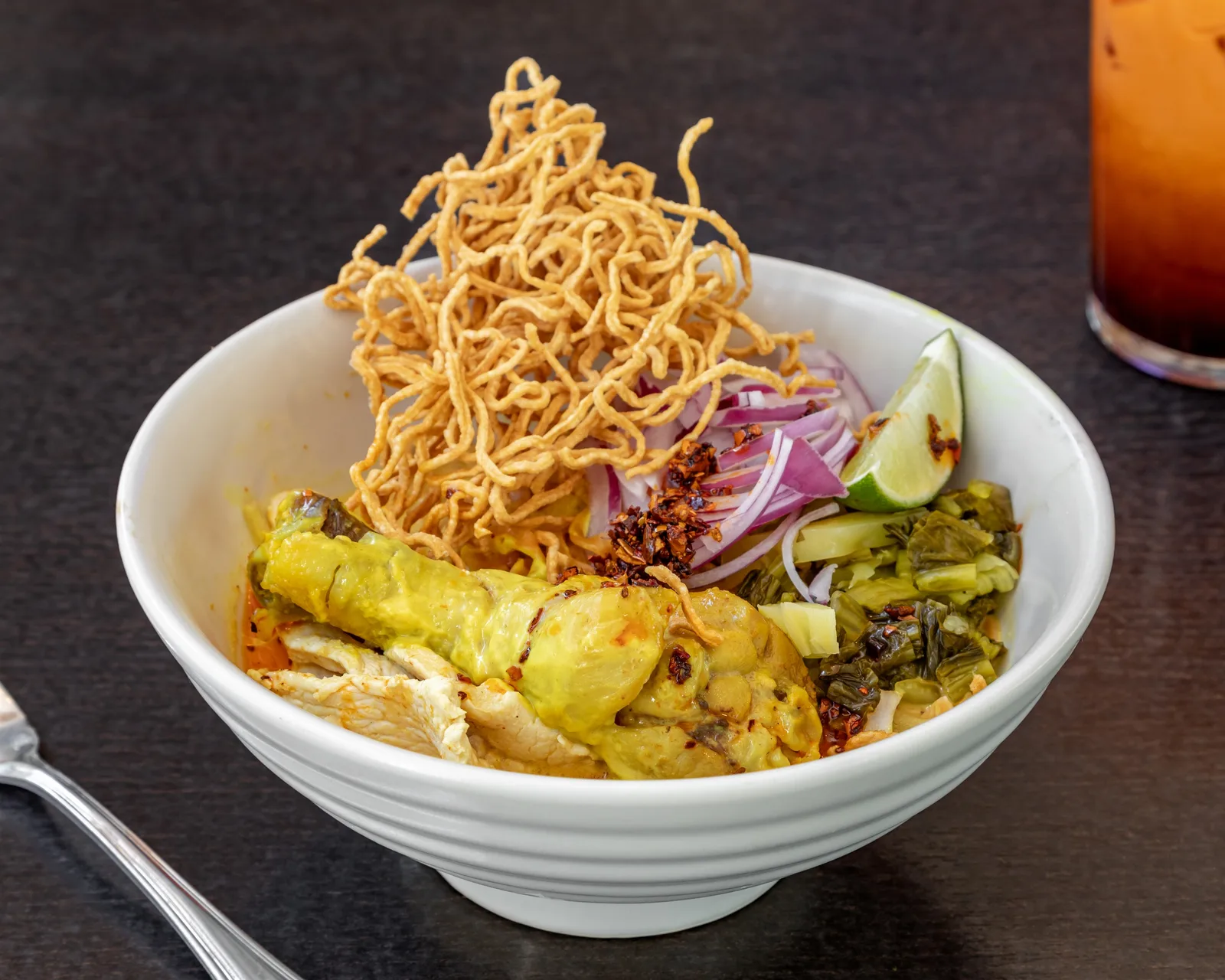
Thai cuisine is naturally colorful. Green chilies, red curry pastes, bright basil, golden turmeric, white coconut milk, purple eggplant, orange carrots. Your job is to arrange these colors intentionally so they complement each other instead of clashing.
The basic principle: you want colors that sit opposite each other on the color wheel to create visual contrast. Green against red. Orange against blue (you can use purple eggplant here). Yellow against purple. This contrast doesn't happen by accident. Chefs think about which ingredients go where based on their natural colors.
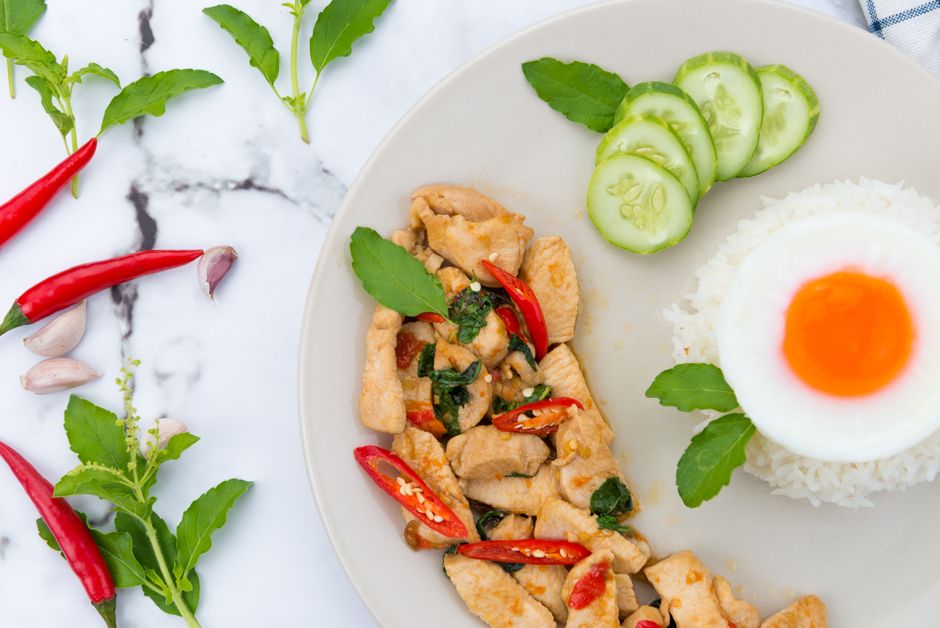
Beyond color theory, you're also thinking about light versus dark, bright versus muted. A vibrant green basil garnish pops more when placed on a darker curry. Red chilies stand out against white rice. These aren't complicated calculations, but noticing them changes how you see the plate.
Texture also plays into visual contrast. A glossy curry next to crispy vegetables. Soft noodles next to crunchy fried shallots. When you can see these texture differences on the plate, your brain expects different sensations when you eat, and that anticipation makes the meal better.
Building Height and Dimension
Flat plates look boring. Thai presentation uses height strategically to make dishes feel more sophisticated and interesting.
Instead of spreading everything evenly, you're stacking. Rice becomes your base layer, protein sits higher, and garnishes go on top. Noodles might be piled in the center rather than spread across the whole plate. A curry gets a generous dollop of coconut cream placed on top rather than mixed throughout.
This vertical approach serves multiple purposes. It looks more appetizing. It keeps flavors more distinct because components aren't sitting in sauce together. It also shows confidence and skill, which matters when you're trying to deliver an authentic Thai dining experience.
The height doesn't need to be extreme. You're not building a tower that looks unstable. You're creating gentle elevation that draws your eye through the plate from one element to the next.
Clean Assembly and Precision
Professional Thai plating has zero tolerance for smudges, drips, or messiness. Every element belongs exactly where it is, and nothing is accidental.
This means using the right tools. Small spoons for precise sauce placement. Tweezers or chopsticks for careful herb and vegetable arrangement. Offset spatulas for clean scoops. Your hands matter too, but they need to stay clean and deliberate throughout the plating process.
The plate edges are critical. Any sauce drips get wiped immediately. Grains of rice that land outside their zone get removed. This isn't about being fussy. It's about respecting your ingredients and your customer enough to present them with care. A smudged plate edge communicates carelessness, even if the food itself is perfect.
When you're plating at home, start simple. Focus on one type of drip or smudge at a time. Once you get sauce placement clean, then work on positioning proteins precisely. Build the skill gradually and you'll notice your plates looking professional faster than you'd expect.
Texture Integration for Eating Experience

Traditional Thai presentation thinks about texture as much as flavor and color. Every element should have a distinct texture, and they should work together.
A green curry might have soft chicken, tender vegetables, chewy rice, and crunchy basil or fried shallots all on the same plate. Each bite could be different if you're strategic about where you combine ingredients. You might get just curry and rice. Then curry with protein. Then curry with that crispy element that adds a completely different sensation.
This isn't overthinking it. Thai food naturally has these texture contrasts built in. Your job as a plater is to keep them distinct so each bite feels intentional. Soggy and uniform is the opposite of what you want.
The Three Main Plating Styles
Thai presentation falls into three general approaches, and understanding the difference helps you appreciate different restaurants' techniques.
Classic style is structured and organized. Everything has a designated spot. Rice on one side, protein in the center, vegetables and sauce arranged around it. This is formal and refined, often seen in upscale Thai restaurants.
Free-form style feels more artistic and spontaneous. Components are arranged creatively without strict placement rules. A chef might pile noodles in a nest shape, scatter herbs across the plate, or lean elements against each other. It's still intentional, but it looks more casual.
Landscape style treats the plate like a canvas where you're creating depth and perspective. Elements in the back appear further away. Foreground elements feel closer. It's the most artistic approach and requires the most skill to execute well.
Most restaurants shift between these styles depending on the dish. A noodle soup might be classic and structured. A stir-fry could be free-form. A curry might use landscape principles to create visual drama.
Finishing Touches and Garnishes
The last details matter enormously. A sprinkle of fresh cilantro, a few Thai basil leaves, a drizzle of chili oil, crushed peanuts, fried shallots, lime wedge placement. These aren't afterthoughts. They're the punctuation at the end of your plating sentence.
Garnishes serve triple duty. They add color and visual interest. They add a fresh flavor contrast to cooked elements. They show that someone cared enough to finish the dish properly. A plate without thoughtful garnish looks incomplete, even if the food underneath is delicious.
The key is balance. Too many garnishes and the plate looks chaotic. Too few and it feels unfinished. You're aiming for "intentional abundance," where every element is there for a reason.
When you experience traditional Thai cuisine at Yoksod Noodles and Thai, notice how the garnishes interact with the main components. That attention to finishing details is what separates authentic Thai plating from rushed or careless presentation.
Hungry?
Order Now →Related: Traditional Thai Cuisine Fresh Ingredients Guide
The Psychology Behind the Presentation
Here's something that doesn't get talked about enough: good presentation makes food taste better. This isn't magic. It's neuroscience.
When your brain sees an organized, beautiful plate, it anticipates better flavor. Your palate is more receptive. You eat slower and notice more subtle tastes. You're more satisfied with smaller portions because you feel like you got more of an experience.
Thai chefs understand this. They're not plating beautifully just to impress you visually. They're actually enhancing the entire eating experience by making the food look as good as it tastes. According to research on how visual presentation affects food perception, the way food is arranged directly influences how your senses interpret flavor and satisfaction.
Common Plating Mistakes to Avoid
If you're trying to plate Thai food at home, watch out for these common problems:
- Overcrowding the plate: Everything needs breathing room. White space isn't wasted space.
- Mixing everything together: Keep components separate so flavors and textures stay distinct.
- Ignoring the plate's edges: Even smudges matter. Wipe them immediately.
- Using wrong proportions: Your protein should be a prominent part of the presentation, not a small accent.
- Forgetting garnish: Fresh herbs and finishing touches change everything.
- Going flat: Build some height. Vertical elements make plates more interesting.
Plating for Different Thai Dishes
Different dishes have different plating logic:
Curries: Rice base, generous protein placement on top, sauce draped artfully (not poured everywhere). Garnish with fresh basil or cilantro. A dollop of coconut cream on top creates visual interest.
Stir-fries: Slightly higher rice base, stir-fried elements piled in the center with height, fried shallots or peanuts on top, lime wedge on the side. These look best when there's a visible mound in the center rather than spread flat.
Noodle dishes: Either a nest shape for visual appeal, or separated into sections so you can see different components. Proteins go on top or integrated throughout. Sauce gets drizzled, not dumped.
Related: Best Thai Noodle Dishes Explained: A Complete Guide
Soups: Bowl presentation matters here. Clear broths should be visually clear, with floating elements positioned carefully. Noodles coiled slightly. Herbs on top. Lime and chilies on the side for customization.
Salads: Ingredients arranged in sections or tossed with intention. Dressing applied at plating time so nothing gets soggy. Crushed peanuts and fresh herbs on top. Lime wedge essential.
The unifying principle: every component should be visible and distinct. You should be able to identify what's on the plate before taking a bite.
Why Presentation Matters in Authentic Thai Dining
Authentic Thai cuisine treats presentation as seriously as cooking technique. It's not a luxury or an afterthought. It's fundamental to the experience.
When a restaurant skips on presentation, you notice immediately. But when it's done right, it feels natural and inevitable. Everything just looks right. The colors work. The proportions feel balanced. The height creates interest without looking weird.
This attention is what distinguishes genuine Thai dining from casual takeout shortcuts. Both can taste good, but one respects the full experience and one just wants to feed you.
Learning to Plate at Home
You don't need expensive tools or fancy training to start plating like a Thai chef. Start by observing. When you get Thai food from a quality restaurant, study the plate before you eat. Where are the colors? How is the height built? What creates visual contrast?
Then recreate that logic with your own cooking. Focus on one technique at a time. Maybe this week it's just building height with your rice base. Next week, you'll work on color placement. Eventually these habits become automatic.
The best part? You're not just making food look prettier. You're actually enhancing how it tastes and making the meal feel more special. That's the real magic of traditional Thai presentation.
What tools do I actually need for Thai plating?
You don't need much. A regular spoon, a small offset spatula, and maybe tweezers for herb placement. Most Thai home cooks use regular kitchen utensils. The skill matters infinitely more than fancy tools. Confidence and attention to detail beat equipment every time.
Can I plate Thai food beautifully with imperfect ingredients?
Absolutely. Plating technique works with whatever ingredients you have. Fresh herbs matter more than perfection. A slightly bruised vegetable can still look great on a plate if it's positioned with intention. Focus on contrast, cleanliness, and height rather than waiting for restaurant-quality ingredients.
Does presentation really change how food tastes?
Yes, genuinely. Your brain is wired to expect better flavor from beautiful presentation. It's not just psychological. You eat slower, chew more, and notice subtle flavors better when the plate looks intentional. It's a real sensory effect.
How do professional Thai chefs practice plating?
They plate the same dishes hundreds of times until the motions become automatic. They study other chefs' work. They think about each element's purpose before placing it. There's no secret. It's repetition combined with intentional attention to detail. Anyone can develop this skill with practice.
Hungry?
Order Now →