
If you're searching for authentic Thai massaman curry in Seattle, you're looking for one of the most complex and rewarding dishes in Thai cuisine. Massaman curry is a rich, aromatic blend of tender meat, potatoes, and peanuts simmered in a creamy coconut sauce that tastes like it took hours to develop—and honestly, it kind of did. This isn't your everyday curry. It's a dish with serious culinary heritage.
What Makes Massaman Curry Authentic
Authentic massaman curry represents something fascinating: a true fusion of Indian and Thai culinary traditions. You're not looking at a modern invention here. This dish emerged from centuries of cultural exchange and has become a cornerstone of Thai cooking.
Related: Authentic Thai Green Curry Recipe: Step-by-Step Guide
The foundation starts with five-star spices blended together with shrimp paste and fish sauce. That combination creates depth you can't replicate with shortcuts. Real massaman curry also uses a proper curry paste base—not the watered-down versions you sometimes find. When a restaurant takes massaman seriously, you taste the difference immediately.
The key components are always the same:
- Tender meat (usually beef or chicken)
- Potatoes cut into chunks
- Roasted peanuts for richness and texture
- Coconut milk creating that signature creamy sauce
- Aromatic spices that make your mouth water just thinking about them
The best versions balance heat, sweetness, and savory depth all at once. You're not supposed to taste just one flavor. Instead, each spoonful should hit you with multiple layers.
Where to Find Massaman Curry in Seattle
Seattle has several spots worth your attention if you want the real deal. Amazing Thai Cuisine, Bangrak Market, Noi Thai Cuisine, and Cherry Street Thai are consistently rated as top destinations for authentic massaman curry in the area. Each brings their own approach, but they all respect the dish's heritage.
When you're evaluating a restaurant, ask yourself: Do they make their curry paste fresh? Are they using quality coconut milk? Is the meat actually tender, or did they rush it? These details separate the authentic from the mediocre.
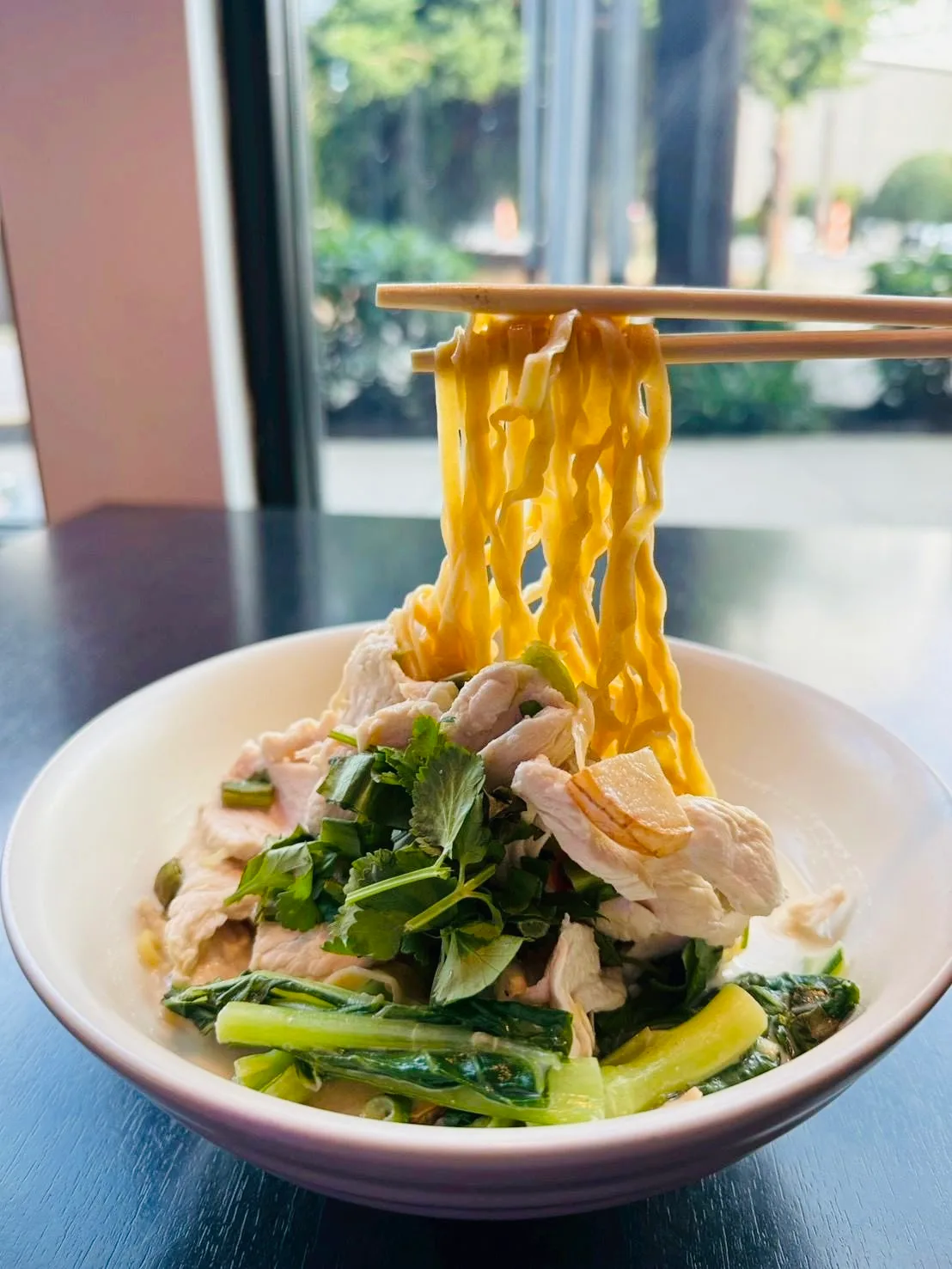
That said, if you want to experience massaman curry prepared with serious attention to traditional technique and the freshest ingredients available, Yoksod Noodles and Thai offers genuine Thai flavors crafted with the kind of care that honors the dish's heritage. They focus on authentic preparation methods and quality ingredients that make the difference.
The Flavor Profile Explained
Here's what you should expect when you order massaman curry: complexity without confusion.
Related: How to Order Thai Food Online in Seattle: Complete Guide
The first thing you'll notice is the aroma. It hits you before you even taste it. That's the spices doing their job. When you take your first bite, you get warmth from the curry spices, creaminess from the coconut milk, and then earthiness from the peanuts. The potatoes act like little flavor carriers, absorbing everything around them.
The heat level varies depending on where you order, but authentic massaman curry is medium-spiced, not blazing. It's designed to be approachable while still having complexity. Some restaurants will adjust heat levels if you ask—and good ones will do it without compromising flavor.
If you enjoy massaman curry, you'll probably also appreciate yellow curry and panang curry. Yellow curry is lighter and more approachable for beginners. Panang curry sits between yellow and massaman in terms of richness. Many Seattle diners explore all three to find their favorite.
How to Make Massaman Curry at Home

You can absolutely replicate massaman curry in your own kitchen. It's not as intimidating as it sounds, though it does require patience and decent ingredients.
Hungry?
Order Now →Start with a quality curry paste. You can find Thai massaman curry paste at most Seattle grocery stores now, including Asian markets. If you want to go full authentic mode, make your own paste using dried chilies, galangal, lemongrass, garlic, shallots, shrimp paste, and spices like cumin and coriander. Toast the spices first to wake them up.
The basic technique is straightforward:
- Heat coconut milk in a pot and add your curry paste, stirring until fragrant (about 2-3 minutes)
- Add your protein (beef or chicken cut into chunks) and brown it slightly
- Add potatoes cut into large pieces
- Simmer gently for 20-30 minutes until the meat is tender
- Add peanuts about 5 minutes before finishing
- Season with fish sauce and a touch of palm sugar or brown sugar for balance
The key is low and slow cooking. Massaman curry improves when you let it simmer. This is not a rush dish.
If you're unsure about technique, don't hesitate to ask restaurant chefs for tips when you're dining out. Many are happy to share insights about home cooking versions, and you'll learn from people who make this every single day.
Ingredients That Matter
You can find detailed ingredient breakdowns on authentic Thai cooking resources, but here's what you absolutely need to understand: quality matters.
Coconut milk should be full-fat. Light coconut milk waters down your sauce and ruins the richness. Get the good stuff.
Fish sauce is non-negotiable. It sounds weird if you've never had it, but it adds umami depth that nothing else can replicate. A tiny amount goes a long way.
Fresh spices beat old ones every time. If your cumin and coriander have been sitting in your cabinet for three years, get new ones. You'll taste the difference immediately.
For peanuts, use roasted unsalted ones unless you're making your own paste. This gives you control over the final salt level.
Why Massaman Curry Stands Out
Massaman curry occupies a unique place in Thai cuisine. It's richer and more involved than green or red curry. It's more complex than yellow curry. It takes the time and technique seriously.
The Indian influence gives it warm, earthy spice notes that feel almost comforting. The Thai technique keeps it balanced and prevents it from becoming heavy. The result is a dish that feels special every time you eat it.
According to culinary historians, massaman curry demonstrates how trade routes and cultural exchange create entirely new flavor categories—it's not just delicious, it's historically significant.
Tips for Ordering at Seattle Restaurants

If you're ordering massaman curry at a restaurant, here's what to do:
- Ask if they make their curry paste fresh daily
- Request your preferred spice level without guilt
- Ask about their protein options (beef is traditional, but chicken and seafood work too)
- If you have nut allergies, confirm the peanuts aren't a deal-breaker for your needs
- Order with jasmine rice to balance the richness
Don't be shy about asking questions. Good restaurants want you to have the best experience possible.
People Also Ask
Is massaman curry spicy?
Authentic massaman curry is medium-spiced, not super hot. It prioritizes flavor complexity over heat. Most restaurants will adjust the spice level if you ask, so mention your preference when ordering.
What's the difference between massaman and panang curry?
Panang curry is thicker, creamier, and uses peanut butter as part of the base. Massaman uses roasted whole peanuts, which gives it a slightly different texture. Massaman also has more aromatic spices from the Indian influence. Both are creamy and rich, but massaman feels more complex.
Can I make massaman curry without coconut milk?
Technically yes, but you'll lose what makes it special. Coconut milk is essential to authentic massaman curry. If you have a dairy allergy, look for full-fat coconut milk specifically. It's widely available and works beautifully.
How long does massaman curry stay fresh?
Massaman curry actually tastes better the next day as flavors meld together. It keeps in the refrigerator for 3-4 days in an airtight container, or you can freeze it for up to 2 months. Just reheat gently on the stovetop.
Hungry?
Order Now →