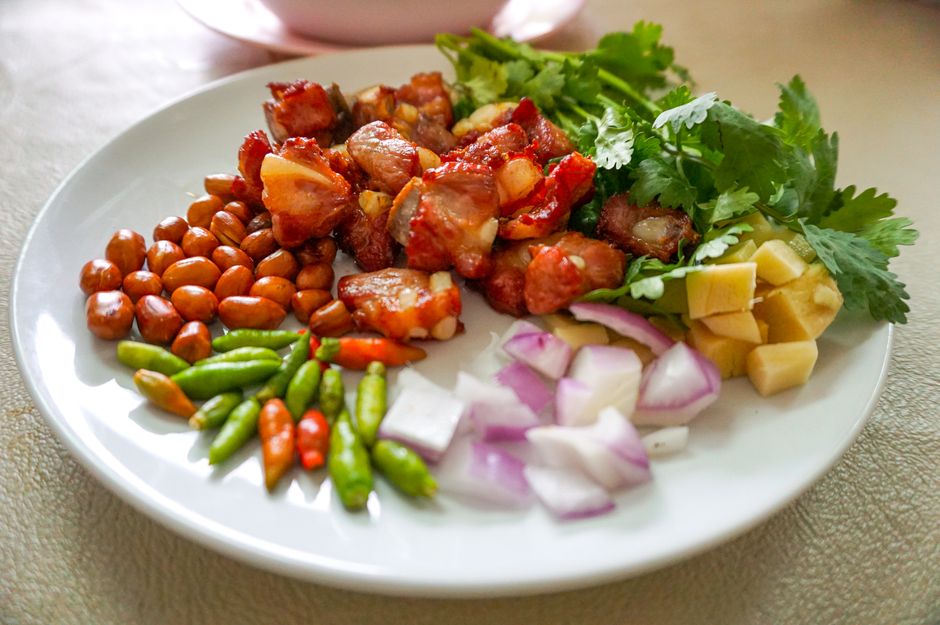
Traditional Thai cuisine is all about fresh ingredients working together in perfect harmony. When you're craving authentic Thai flavors, you're really craving the bright pop of fresh Thai holy basil, the zingy kick of lemongrass, and the aromatic heat of real chilies. These aren't optional add-ons—they're the foundation of what makes Thai food taste like Thai food.
If you've ever wondered why restaurant Thai dishes hit different than what you might make at home, it comes down to ingredient quality and freshness. Yoksod Noodles and Thai sources authentic ingredients the way traditional Thai kitchens do, which is why each dish carries that unmistakable depth and complexity you're looking for.
Related: Best Thai Tom Yum Soup Near Seattle, WA | Authentic & Fresh
Related: Best Authentic Thai in Seattle 2026: Top 6 Ranked
Related: Best Thai Flavors Seattle 2026: Top 7 Ranked
The Essential Fresh Ingredients in Traditional Thai Cuisine
Let's break down the key players that show up again and again in traditional Thai cooking.
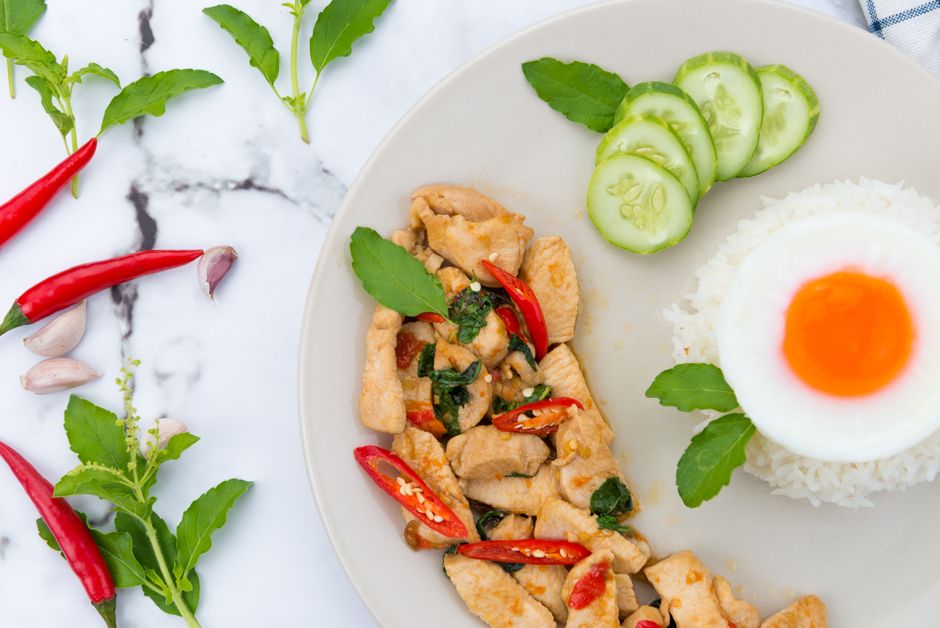
Fresh Thai holy basil is probably the most important aromatic you need to know about. It's different from regular Italian basil—it has a peppery, slightly licorice-like flavor that's essential in curries and stir-fries. When you see it wilting into a hot dish at the last second, that's intentional. The brief heat releases its oils without destroying the delicate flavor.
Lemongrass is another MVP ingredient. It gives Thai food that bright, citrusy lift you can't replicate with lemon juice alone. The flavor is more subtle, more complex. You'll find it in tom yum soup and curries, usually bruised or sliced to release the essential oils.
Galangal looks like ginger's cousin, but it tastes totally different—more piney and medicinal, with a sharper bite. It's crucial in tom kha gai (coconut chicken soup) and other traditional curries.
Kaffir lime leaves bring an intense citrus punch that's nothing like regular limes. They're often torn by hand and stirred into soups and curries right before serving.
Fresh chilies are where heat comes from—not just spice, but actual flavor. Thai cooks use multiple varieties: bird's eye chilies for intense heat, red chilies for color and medium heat, and green chilies for sharp, grassy notes. The seeds hold most of the heat, so removing them tones things down.
Garlic and fresh ginger round out the aromatic crew. Thai cooking uses tons of garlic—more than you'd probably use at home—and it's usually minced fine and cooked quickly in hot oil to build flavor layers.
Fresh Coconut Milk as the Foundation
Here's something that surprised me when I first learned about traditional Thai cooking: freshly squeezed coconut milk is the real deal, and it makes an enormous difference.
Related: Traditional Thai Basil Chicken: Recipe & What Makes It Special
Canned coconut milk works in a pinch, but fresh coconut milk has a lighter texture, brighter flavor, and more complexity. In traditional Thai kitchens, coconut milk gets used as both a cooking base and a finishing sauce. It's the foundation of curries, soups, and desserts.
The fat content matters too. Traditional recipes often use the thick cream that separates to the top of fresh coconut milk to start cooking aromatics, then add the thinner milk later to balance the dish. This layering technique builds flavor in ways that pre-mixed canned versions struggle to match.
Related: How to Make Thai Pad Thai at Home: Easy Recipe
Proteins and How They're Prepared
Thai cooking treats protein simply and respectfully. Chicken, pork, shrimp, and beef are stir-fried quickly with aromatics, then usually served over jasmine rice. Often you'll see a fried egg on top—it's not fancy, but it adds richness and helps tie everything together.
The key is high heat and quick cooking. You want protein that stays tender, not overcooked. This is where fresh ingredients really shine—when everything is high quality, you don't need to mask flavors with heavy sauces or long cooking times.
Related: Seasoning Thai Bistro Guide: Flavors & Fresh Dishes
Fish sauce appears in almost every savory Thai dish. It's an acquired taste for people new to Thai food, but it's absolutely essential. A tiny amount adds umami depth and saltiness that brings everything into focus. Without it, the dish feels flat.
Where to Source Authentic Ingredients
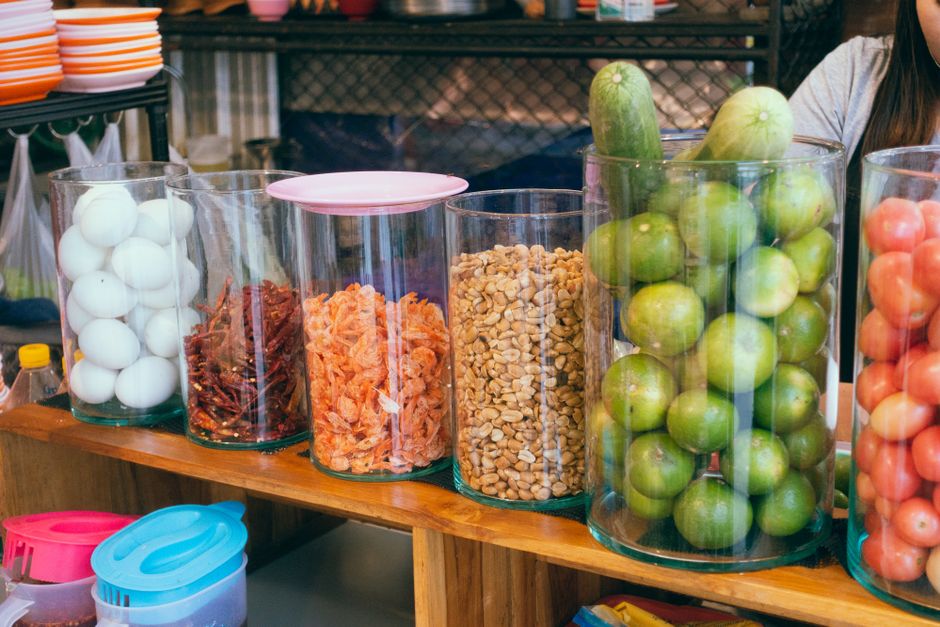
Finding fresh Thai ingredients in Seattle used to be challenging, but it's way easier now. Specialty Thai markets like Simply Thai Market carry genuine items you won't find at standard grocery stores. They stock fresh Thai holy basil, lemongrass, galangal, and kaffir lime leaves when they're in season.
Your local Asian grocery stores often have freezer sections with fresh herbs and aromatics too. Frozen lemongrass and galangal work surprisingly well—they're picked at peak freshness and frozen immediately.
Here's the honest thing though: sourcing authentic ingredients and executing traditional recipes is time-consuming and requires practice. That's why places like Yoksod Noodles and Thai exist. They've built the supply chains, trained their cooks, and perfected the recipes so you can get the real deal without spending three hours in the kitchen.
Signature Dishes That Showcase Fresh Ingredients
If you want to taste traditional Thai cuisine at its best, focus on these three showstoppers.
Tom yum soup is the perfect introduction to how Thai aromatics work together. The broth brings together lemongrass, galangal, kaffir lime leaves, chilies, and fish sauce in perfect balance. It's hot, sour, salty, and aromatic all at once. Fresh ingredients aren't hidden here—they're the whole point.
Pad Thai is deceptively simple: rice noodles, protein, fresh bean sprouts, a squeeze of lime, crushed peanuts, and that magical balance of sweet, sour, salty, and spicy. The fresh garnishes—lime wedge, cilantro, sprouts—aren't afterthoughts. They're essential.
Green curry uses fresh green chilies, Thai holy basil, coconut milk, and aromatic herbs to create something complex and deeply satisfying. It's creamy but not heavy, spicy but not aggressive, and it hits differently every time depending on which fresh ingredients are at peak ripeness.
Related: Authentic Thai Green Curry Recipe: Step-by-Step Guide
Building Your Own Thai Pantry
If you're serious about cooking Thai food at home, start with the essentials. You need fish sauce, coconut milk, rice, fresh chilies, garlic, ginger, and lemongrass. Everything else builds from there.
Store fresh herbs in the fridge wrapped in damp paper towels inside a plastic bag. They'll keep for about a week. Galangal and lemongrass can be frozen and used straight from the freezer—they thaw quickly during cooking.
Keep your pantry organized by category: aromatics, pastes, oils, and sauces. This makes cooking Thai food efficient and quick. Once you have the essentials on hand, you can pull together a real Thai dish in 20-30 minutes.
But here's what I've learned after years of following Thai food: there's a reason people pay for it in restaurants. The technique matters as much as the ingredients. Temperature control, timing, ingredient ratios—these things take practice. If you want authentic traditional Thai cuisine with fresh ingredients prepared exactly right, Yoksod Noodles and Thai delivers that consistently, whether you're dining in or ordering online.
Related: Best Fresh Thai Food Online Ordering in Seattle, WA
Related: Best Thai Noodle Restaurant Delivery in Seattle, WA
Related: Best Chow House & Thai Noodles in Seattle, WA | Yoksod
Related: Best Thai Restaurant for Online Order in Seattle
Related: Best Thai Dishes Near Me in Seattle | Yoksod Noodles and Thai
Understanding Thai Flavor Profiles
Traditional Thai cuisine balances four core flavors: hot, sour, salty, and sweet. Every dish aims for this balance, with one or two flavors usually taking the lead.
Fresh ingredients provide most of the complexity here. Chilies bring heat. Lemongrass, lime leaves, and lime juice bring sourness. Fish sauce brings saltiness and umami. Coconut milk and palm sugar bring sweetness. Everything works together.
This is why fresh matters so much. A stale chili tastes flat. Old lemongrass loses its brightness. Lower-quality fish sauce gets musty. When you're working with such simple, ingredient-forward cooking, quality becomes impossible to hide.
According to research from the National Center for Biotechnology Information, fresh herbs and spices contain significantly higher levels of bioactive compounds and antioxidants compared to dried varieties, which means you're getting more flavor and more nutrition when you prioritize fresh ingredients.
Why Restaurant-Quality Thai Food is Different
Professional Thai kitchens have advantages home cooks don't: access to ingredients at peak freshness, consistent high heat (most home stoves can't match commercial burners), and years of technique refinement.
They also source ingredients from specialized suppliers who understand what they're looking for. Not every Thai basil is created equal—professional kitchens know the difference between varieties and seasons.
When you order from Yoksod Noodles and Thai, you're getting food prepared with this restaurant-level expertise and ingredient quality. That's the difference between good Thai food and authentic Thai food.
What's the difference between regular basil and Thai holy basil?
Thai holy basil has a peppery, licorice-like flavor with an herbal punch that regular Italian basil just doesn't have. The leaves are smaller and the taste is much more intense. In traditional Thai cooking, you can't substitute one for the other—they serve completely different purposes.
Can you use bottled coconut milk instead of fresh?
Bottled or canned coconut milk works, but it's not the same as fresh. Fresh coconut milk has better texture, brighter flavor, and more complexity. That said, if fresh isn't available, quality canned coconut milk is better than nothing. Just shake it well before using.
How much fish sauce should you use?
Start with a small amount—about one teaspoon per serving—and adjust to taste. Fish sauce should add depth and saltiness without making the dish smell overtly fishy. It's meant to enhance, not dominate. You'll know you've got it right when people say "this tastes amazing" instead of "what is that smell?"
Where can I find fresh Thai ingredients in Seattle?
Specialty Thai markets like Simply Thai Market are your best bet, along with most Asian grocery stores. They carry fresh lemongrass, galangal, Thai holy basil, and kaffir lime leaves depending on the season. Frozen versions work well too and are often fresher than you'd expect.