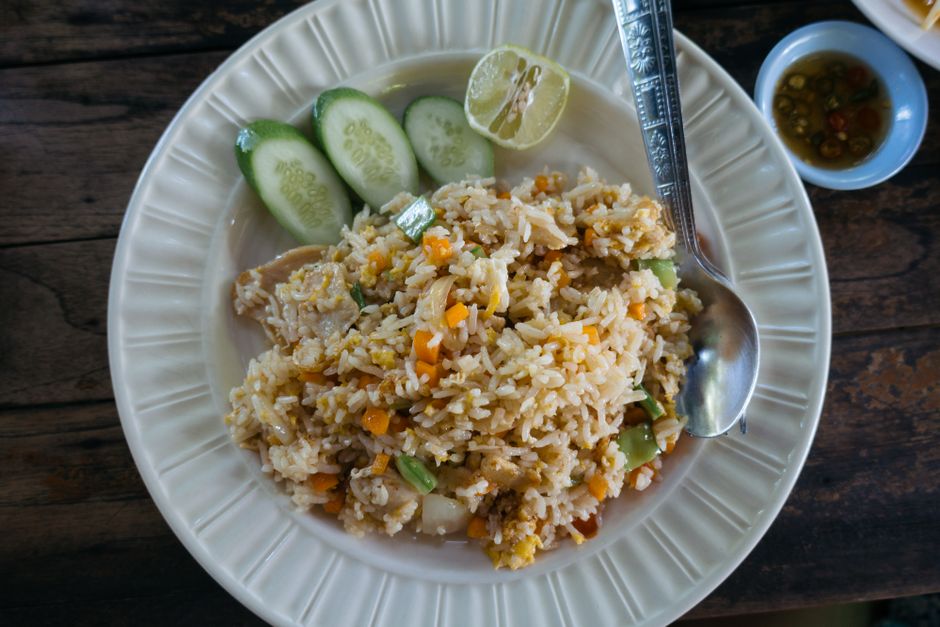
Old world Thai cooking techniques are the backbone of authentic Thai cuisine, and they're nothing like the shortcuts you might see in some restaurants. These methods have been refined over centuries, passed down from master chefs to apprentices through hands-on practice and real kitchen experience.
The beauty of traditional Thai cooking isn't about fancy equipment or complicated steps. It's about understanding heat, timing, and how to coax incredible flavor out of fresh ingredients. If you want to cook real Thai food at home or understand what goes into a truly authentic dish, you need to know these techniques.
Related: Authentic Thai Green Curry Recipe: Step-by-Step Guide
Related: Traditional Thai Cuisine Fresh Ingredients Guide
The Foundation: Why Heat Control Matters in Thai Cooking
Traditional Thai cooking relies heavily on high-heat, quick cooking methods. This isn't random. When you cook fast over intense heat, you lock in flavors and keep textures crisp and vibrant. It's the difference between a soggy stir-fry and one that tastes alive on your tongue.
This approach means you can't leave your food unattended. You're actively engaged the entire time, stirring, tossing, and adjusting the flame. It requires practice, but once you understand the principle, you can apply it to almost any Thai dish.
The key is having your ingredients prepped and ready before you start cooking. Thai chefs call this "mise en place," and it's non-negotiable. Once the heat is on, you don't have time to chop garlic or measure fish sauce.
Stir-Frying: The Heart of Thai Cooking
The wok is the essential tool for old world Thai stir-frying, and for good reason. Its curved shape distributes heat evenly, and the sloped sides let you toss ingredients without spilling everything on your stovetop.
Real Thai stir-fries like Pad Kra use a technique called "tossing and flipping." You're not stirring with a spoon. You're using the wok itself as an extension of your arm, flipping ingredients up and letting them land back in the center. This keeps everything moving and prevents sticking while creating that perfect char on vegetables and proteins.
Here's what separates traditional stir-frying from the rest:
- High heat from the start (your burner should be at maximum)
- A small amount of oil, usually just enough to coat the wok
- Ingredients added in a specific order, based on cooking time
- Constant motion and attention for 3-5 minutes total
- Finishing with a splash of fish sauce or soy sauce at the very end
The timing is crucial. Aromatics like garlic and ginger go in first, just for 15-30 seconds, to infuse the oil with flavor. Then proteins, then vegetables in order of how long they need to cook. Leafy greens go in last, right before serving.
Steaming: The Gentle Traditional Method
Not all Thai cooking is about high heat and speed. Steaming is an old world technique that preserves delicate flavors and keeps dishes light. It's especially common for fish and dumplings.
Related: Traditional Thai Basil Chicken: Recipe & What Makes It Special
Traditional Thai steaming uses bamboo steamers stacked over boiling water or a simple pot setup with a raised platform. The steam gently cooks ingredients while locking in moisture and preventing nutrients from leaching away.
What makes Thai steaming different is the flavoring. You're not just steaming bland chicken. You're steaming fish with lime leaves and garlic, or dumplings filled with herbs and spices. The steam carries these flavors throughout the dish.
This method requires patience. You can't rush steam. But the payoff is a dish that tastes refined and delicate, which is exactly what you get when you visit Yoksod Noodles and Thai for their authentic preparations.
Hungry?
Order Now →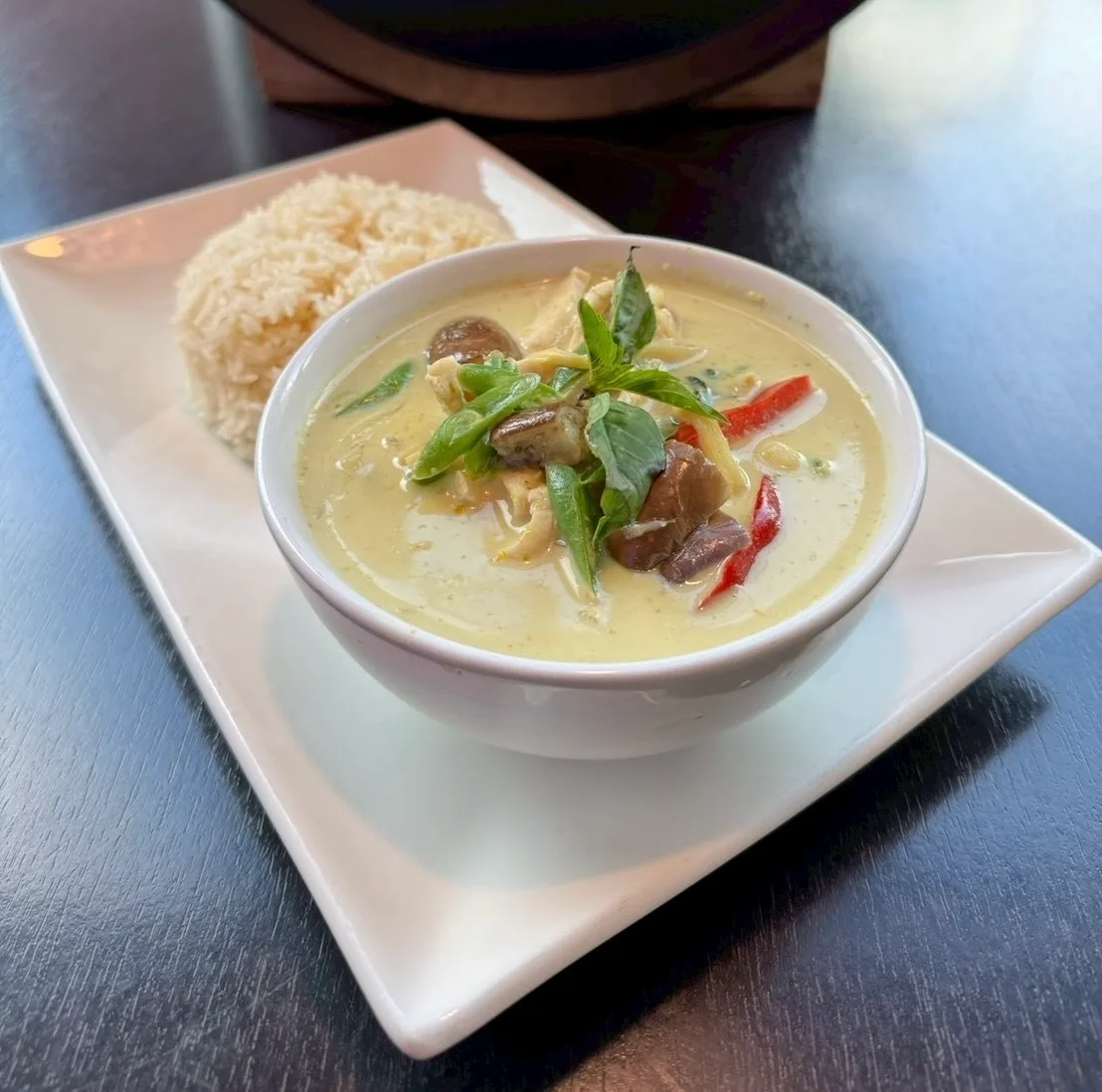
Grilling: The Ancient Art of Open-Fire Cooking
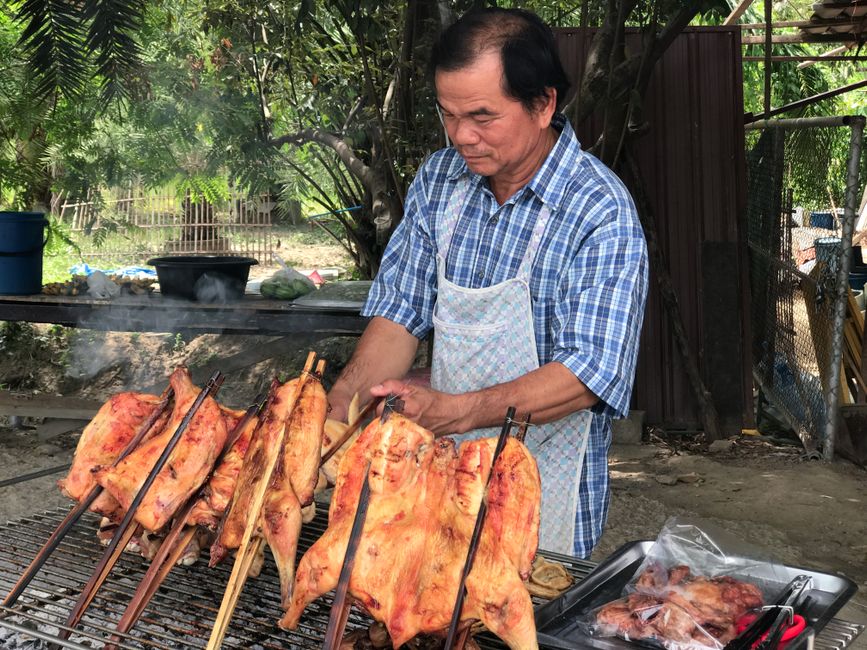
Grilling is among the oldest cooking methods in Thai cuisine, and it's deeply rooted in regional traditions. This technique requires careful heat management because the line between perfectly charred and burnt is thin.
Traditional Thai grilling involves direct exposure to flame or coals. You're looking for a medium-hot fire that can cook proteins and vegetables through without burning the outside. The key is moving items around the grill to find cooler and hotter zones.
Thai grilled dishes benefit from a marinade or rub applied before cooking. Fish sauce, lime juice, garlic, and chilies create a marinade that penetrates the protein and adds complexity. The grill itself creates a subtle smokiness that enhances these flavors.
Proper technique means:
- Oil your grill grates to prevent sticking
- Don't move food until it has a good sear
- Flip only once or twice during cooking
- Use the residual heat to finish cooking if needed
- Let grilled items rest for a few minutes after cooking
The Role of Fresh Ingredients in Old World Technique
You can't separate old world Thai cooking techniques from the quality of ingredients. Authentic Thai cooking emphasizes preparing dishes from fresh components, not processed or pre-made elements.
This means fresh herbs like Thai basil, cilantro, and mint added at the last second. It means whole garlic cloves and fresh ginger root, not minced jars. It means coconut milk that's freshly made or minimally processed, not shelf-stable brands loaded with stabilizers.
Why does this matter? Because when you're cooking fast and using simple techniques, every ingredient stands out. There's nowhere to hide mediocre quality. A fresh lime leaf in a curry tastes completely different from one that's been sitting in a cupboard for months.
The traditional approach is to source the best ingredients you can find and let the technique bring them together. This philosophy is central to what Yoksod Noodles and Thai emphasizes in their kitchen.
Learning Through Mentorship and Practice
Traditionally, knowledge of old world Thai cooking techniques is transmitted through hands-on training under experienced Thai chefs. There's no shortcut to learning these skills from a textbook or video alone.
Apprentices watch their mentors repeatedly, then do the task themselves while being corrected. They learn by feel and sound. When is the sizzle right? How long until the aroma tells you it's time to add the next ingredient? What does properly cooked look like?
This mentorship-based learning creates consistency and quality that industrial cooking can't match. When a chef has spent years perfecting one dish, it shows.
You can certainly learn these techniques at home through study and practice. Start with one dish. Learn to make perfect Pad Thai or Tom Yum. Repeat it dozens of times until your hands know what to do without thinking. Then move to the next dish.
Signature Dishes That Showcase Traditional Technique
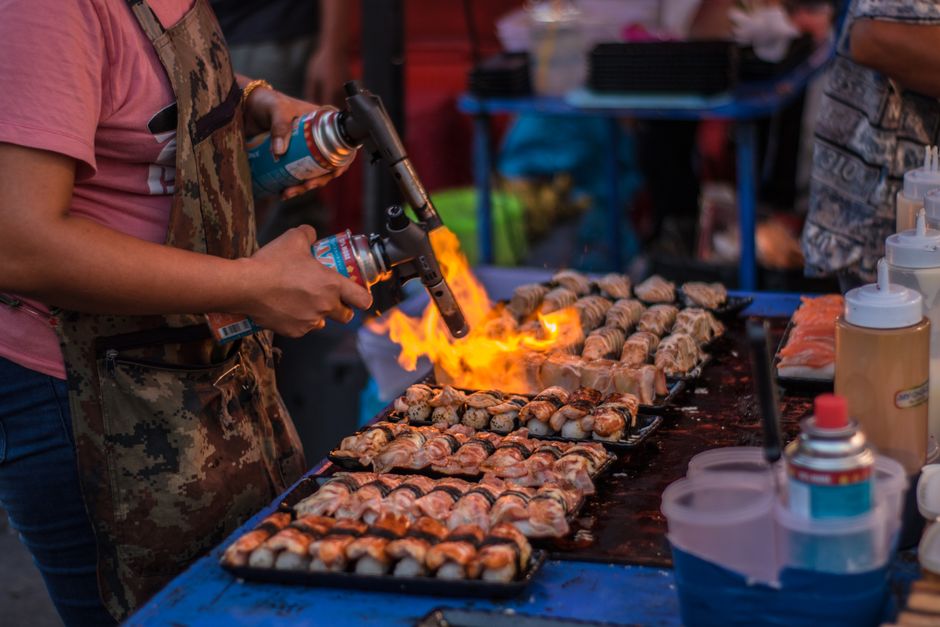
Pad Thai and Tom Yum are considered foundational dishes in Thai cuisine, and mastering them teaches you almost everything about old world techniques.
Pad Thai requires perfect timing and wok technique. You're stir-frying rice noodles with protein, vegetables, and sauce, all within minutes. The noodles need to be soft but not mushy. The vegetables need to retain some crunch. The sauce needs to coat everything evenly without pooling at the bottom of the wok.
Tom Yum teaches you about building flavor in liquid. You're creating an aromatic broth with lemongrass, lime leaves, galangal, and chilies. The technique is about layering flavors and understanding how heat affects different ingredients. Some elements go in early and break down. Others go in at the end to maintain their bright, fresh taste.
These dishes seem simple until you try to recreate them. That's when you realize how much skill goes into what looks effortless. When you taste them done properly at Yoksod Noodles and Thai, you're experiencing the result of genuine technique and care.
Bringing Old World Techniques Into Your Kitchen
You don't need a professional Thai kitchen to cook with traditional techniques. You need a good wok, a sharp knife, and ingredients prepped before you start cooking.
Start with high-quality ingredients from your local market. Find fresh Thai chilies, actual lime leaves, and real fish sauce. These items matter when you're using fast, simple cooking methods.
Invest in a carbon steel or cast iron wok that can handle high heat. Non-stick woks don't get hot enough to properly sear ingredients. A 12-14 inch wok gives you enough surface area to work with.
Practice one technique at a time. Spend a week making stir-fries and nothing else. Get comfortable with the heat, the timing, the feel of the wok. Then move on to steaming or grilling.
Watch experienced cooks work. Visit restaurants that make food traditionally and pay attention to their movements and timing. Understanding old world Thai cooking techniques is easier when you see them in action.
Yoksod Noodles and Thai welcomes diners who want to understand authentic preparation. You can observe their kitchen and ask questions about how they approach traditional techniques.
The Philosophy Behind the Technique
Thai culinary philosophy integrates cooking with holistic wellness concepts. Food isn't just about taste. It's about balance, harmony, and how the dish affects your body and mind.
The balance of flavors in Thai cooking reflects this philosophy. You're balancing sweet, salty, sour, and spicy in every dish. You're using ingredients that are considered beneficial for health and digestion, like ginger and turmeric. You're cooking in ways that preserve nutrients and create dishes that nourish.
This mindset changes how you approach cooking. You're not rushing through a recipe. You're being intentional about every choice, from ingredient selection to cooking method to plating.
Understanding this philosophy helps you understand why old world Thai cooking techniques exist. They're not arbitrary traditions. They're methods developed to maximize flavor, nutrition, and the overall experience of eating.
This perspective is what separates casual cooking from the kind of authentic Thai dining that leaves an impression.
Frequently Asked Questions
Can I learn old world Thai cooking techniques from online videos or books?
You can learn the theory and general approach from videos and books, which is a great starting point. But traditional techniques really require hands-on practice and ideally some guidance from someone experienced. The feel of when something is done, the right temperature, and subtle timing details are hard to pick up without doing it repeatedly. Start with written or video resources, but spend significant time practicing in your own kitchen to develop the skill.
What's the most important old world Thai cooking technique to master first?
Stir-frying is the foundation. Once you understand high-heat cooking, proper technique with a wok, and how to build flavors quickly, you can apply those principles to many other Thai dishes. Start with basic vegetable stir-fries before moving to proteins and more complex dishes.
Do I need special equipment to use traditional Thai cooking techniques?
A good wok is really the only essential piece of equipment. Yoksod Noodles and Thai uses professional-grade woks, but a home cook can achieve great results with a carbon steel or cast iron wok from any reputable kitchenware source. You also need a sharp knife and a cutting board. Everything else is optional, though a bamboo steamer can be helpful for steaming.
How long does it take to become skilled at traditional Thai cooking techniques?
Becoming competent with basic techniques like stir-frying takes weeks of regular practice. Reaching the level where you can cook Thai food confidently and consistently takes months or years of dedication. Professional chefs spend years perfecting their craft. But you don't need to be perfect to cook delicious Thai food at home. Start practicing, be patient with yourself, and enjoy the learning process.
Hungry?
Order Now →