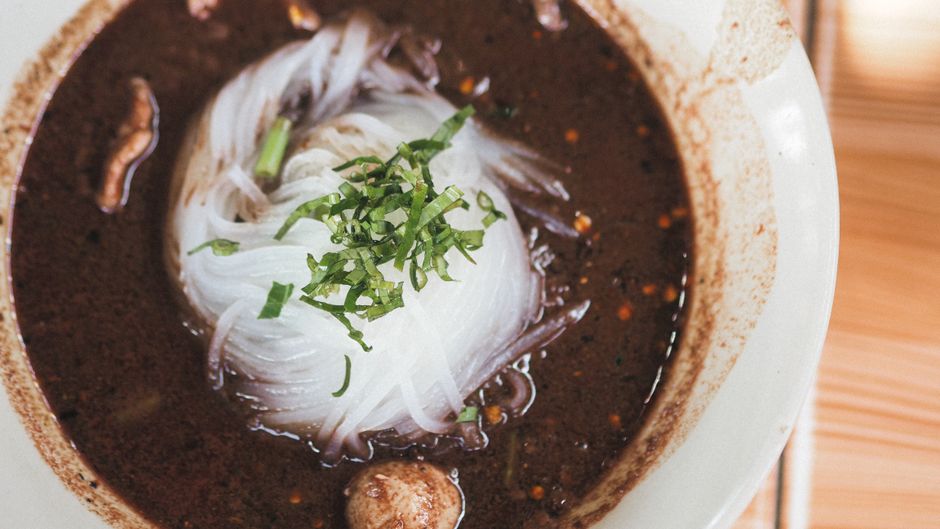
Traditional Thai noodle broth recipes start with a solid foundation: a flavorful stock, the right balance of seasonings, and aromatic spices that tie everything together. If you've ever wondered how to recreate that complex, satisfying broth you get at authentic Thai restaurants, you're in the right place.
The good news? You don't need hours of simmering or a long ingredient list. Traditional recipes work fast while keeping all that depth and character. Let's break down exactly how to build broth that tastes genuinely Thai.
Start With Your Broth Base
Every traditional Thai noodle broth begins with a quality stock. Your three main options are pork, chicken, or beef.
Pork stock is rich and gives you that savory backbone that works beautifully in noodle soups. Chicken stock is lighter and more delicate, letting other flavors shine through. Beef stock brings deeper umami and works especially well if you're making a heartier broth.
The base matters because it sets the tone for everything else. You want stock that tastes good on its own, not something thin or bland. If you're making your own from scratch, simmer your bones with water, a bit of salt, and maybe a carrot or two for a few hours. If you're using store-bought, grab something with minimal additives so you control the final flavor.
Plan on about 4 and a half cups of broth as your starting point for a standard batch.
The Essential Seasoning Balance
This is where Thai broth gets its signature taste. Three seasonings do the heavy lifting: soy sauce, fish sauce, and a touch of sugar.
For your 4 and a half cups of broth, use roughly 2 tablespoons of soy sauce. This adds saltiness and a subtle sweetness. Fish sauce brings umami depth and that authentically Thai flavor that makes people go "wow, what's that?" It sounds intimidating, but trust it. One tablespoon is enough for this quantity.
Sugar might seem odd, but it balances everything. Just 1 and a half teaspoons rounds out the flavors and prevents the broth from tasting one-dimensional. Thai cooking is all about harmony between salty, sour, sweet, and spicy. Sugar helps deliver "sweet" without making the broth taste like dessert.
Start with these ratios, then taste and adjust. Every palate is different, and your exact stock might be saltier or milder than someone else's.
Toasting Whole Spices for Maximum Flavor
This is the step that separates good broth from great broth. Whole spices get toasted in a dry pan before hitting the liquid.
Common spices in traditional Thai broths include star anise, cinnamon sticks, fennel, and cloves. Each one brings its own warmth and complexity.
Here's the technique: place your whole spices in a small dry pan over medium heat. Let them sit for just a minute or two, stirring occasionally, until they start releasing their aroma. You'll smell them shift from raw to toasted. That's your signal to pull them off the heat and add them to your broth.
Why does this work? Toasting activates the essential oils in the spices and deepens their flavor. A raw star anise tastes flat compared to a toasted one. This one-minute step transforms your entire broth.
Adding Lemongrass and Aromatics

Lemongrass is what makes Thai broth smell like Thailand. It's bright, fragrant, and instantly recognizable.
Slice your lemongrass stalks into pieces and add them to your simmering broth. You don't need much, just a stalk or two. Let it simmer gently for a few minutes so the flavor infuses into the liquid without overpowering everything else.
Other aromatics like garlic, ginger, or shallots can also go in here. Smash them slightly so they release their oils. These ingredients work alongside your toasted spices to build layers of flavor that keep evolving as you eat.
Working With Rice Noodles
Traditional Thai noodle broths use rice noodles, and there's a right way to prepare them.
Soak your rice noodles in cold water for 20 to 30 minutes before cooking. This softens them enough that they only need a quick dip in boiling water or hot broth when you're ready to serve. Skip this step and they'll either be crunchy or turn to mush depending on how long they sit.
Some recipes call for soaking them longer or cooking them longer, but the quick-soak method is traditional and gives you the best texture. The noodles should have a slight chew, not be soft all the way through.
Finishing Touches With White Pepper
Right before serving, add freshly ground white pepper to your broth. This is a classic Thai finishing move.
White pepper brings a subtle heat and a slightly different flavor profile than black pepper. It blends into the broth instead of creating visible specks. A light dusting is all you need, usually just a quarter teaspoon for your full batch.
Hungry?
Order Now →Taste as you go. You want that pepper warmth to be present but not aggressive. If you've tasted broth at an authentic Thai restaurant and wondered what that subtle spice was, that's usually white pepper doing its job.
Coconut Variations for Creamier Broths

If you want a richer, creamier version of traditional Thai noodle broth, coconut milk is your friend.
Some recipes build the broth using red curry as a flavor base, then add coconut milk to create that creamy texture. Start with a small amount of curry paste in your hot broth and stir it until it dissolves completely. Then add a splash of coconut milk and simmer gently.
This approach works especially well for chicken noodle broths. The coconut brings richness and sweetness that complements chicken beautifully. You can adjust the coconut-to-broth ratio depending on how creamy you want it. More coconut milk equals more richness; less keeps it lighter.
Putting It All Together
Here's the basic assembly: start with your quality stock in a pot. Add your toasted whole spices and let them simmer for a minute. Stir in your soy sauce, fish sauce, and sugar, then add lemongrass and any other aromatics you're using.
Let the broth gently simmer for 5 to 10 minutes so all the flavors meld together. This doesn't take long because you're not cooking from scratch; you're building on a base that's already there.
Add your soaked rice noodles directly to the hot broth when you're ready to serve, or cook them separately and add them to bowls before pouring broth over top. Either method works. Finish with white pepper and maybe some fresh herbs like Thai basil or cilantro if you have them.
That's it. A real, authentic Thai noodle broth in well under an hour, usually closer to 20 minutes of active time.
Getting Broth Right Takes Practice
The first time you make traditional Thai noodle broth, don't stress about hitting every measurement perfectly. Taste constantly and adjust as you go. Your broth too salty? Add a bit more stock. Needs more depth? A tiny bit more fish sauce. Not enough sweetness? Another half teaspoon of sugar.
These recipes are flexible because real Thai cooking is built on balance and intuition, not rigid formulas. After a couple of tries, you'll develop a feel for what the broth needs.
If you want to compare your efforts against the real deal, Yoksod Noodles and Thai serves authentic Thai noodle soups made with the same principles we've covered here. Sometimes tasting the genuine article helps you understand what you're aiming for in your own kitchen.
Frequently Asked Questions
Can I make Thai noodle broth vegetarian?
Yes. Use vegetable stock as your base and skip the fish sauce, or use a small amount of soy sauce to get depth instead. You'll lose some of that savory umami, but you'll still get authentic Thai flavors from the toasted spices, lemongrass, and aromatics. The broth won't taste identical, but it'll be genuinely delicious.
How far ahead can I make the broth?
You can prepare the broth a day or two before serving. Let it cool completely, then store it in an airtight container in the fridge. The flavors actually deepen slightly as it sits. Just reheat gently before serving and add your fresh noodles and toppings at the last minute.
Related: Thai Khao Soi Noodle Soup in Seattle: A Complete Guide
Related: Traditional Thai Presentation and Plating: A Complete Guide
What if I can't find lemongrass?
Lemongrass is pretty easy to find in most grocery stores now, but if yours doesn't carry it, a little lemon zest can stand in. It won't be exactly the same because lemongrass has a unique flavor, but it'll add brightness and a hint of that citrus character. Use about one teaspoon of zest for the same amount of lemongrass.
Is fish sauce really necessary?
It's not strictly necessary, but it makes a real difference in authenticity. If you really dislike it, you can use extra soy sauce or a pinch of salt instead. Just know your broth will taste different. Fish sauce is a staple in Thai cooking for a reason. Even people who think they dislike it usually can't identify it specifically once it's blended into the broth.
Hungry?
Order Now →