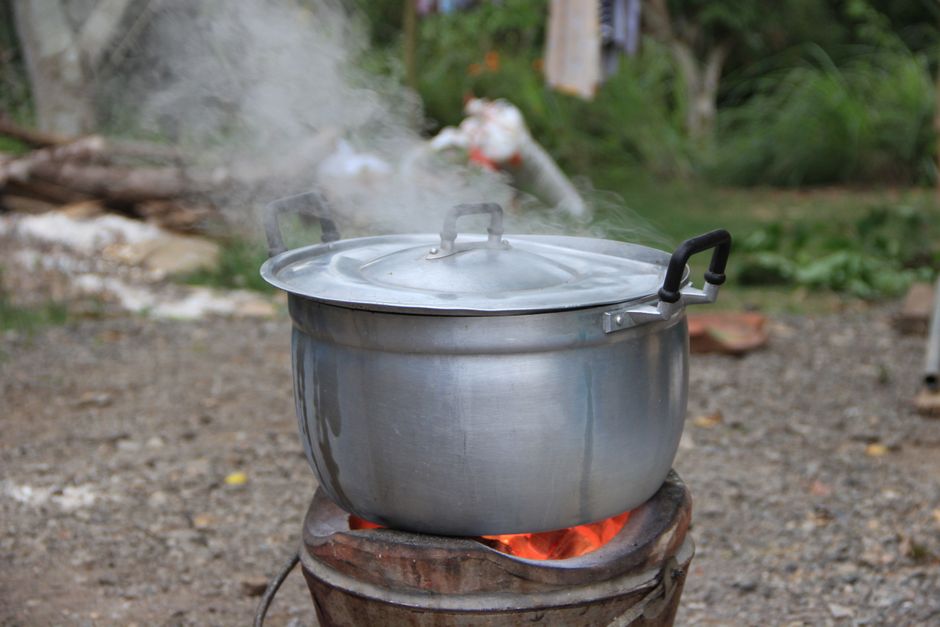
Thai cuisine cooking methods are built on five foundational techniques that have been perfected over centuries. Understanding these methods gives you real insight into why Thai food tastes the way it does and how chefs create those complex, balanced flavors you crave. Let's break down each one so you see exactly what's happening in the kitchen.
The Five Core Thai Cooking Methods
Every dish you order at Yoksod Noodles and Thai likely uses one of these five techniques. They're the backbone of authentic Thai cooking, and they all share one thing in common: they respect heat control and timing.
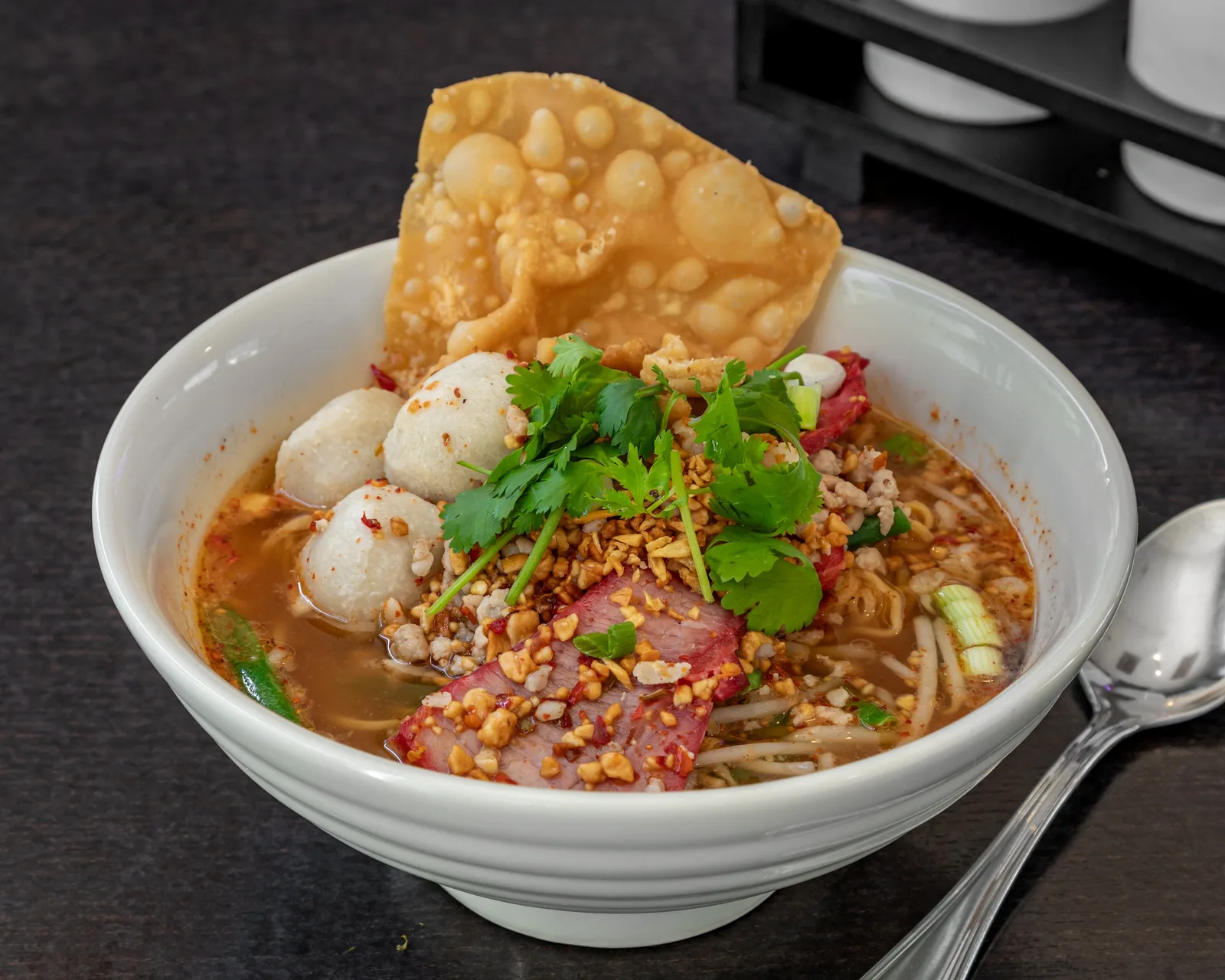
1. Stir-Frying (Pad)
This is probably the most famous Thai cooking method. Stir-frying, or "Pad," uses a wok and high heat to cook ingredients quickly while keeping everything tender and flavorful.
Here's how it works: The wok gets screaming hot first. Then oil goes in, followed immediately by aromatics like garlic, shallots, and chilies. These release their volatile flavor compounds into the oil within seconds. That's why it smells so incredible.
Next come the proteins and vegetables. Everything cooks fast, usually in just 3-5 minutes total. The high heat seals flavors in and keeps textures crisp. This is why stir-fried dishes taste so alive and fresh.
Fish sauce is added strategically mid-cook, not at the start. This timing develops depth of flavor instead of creating harsh, one-note saltiness.
2. Steaming (Neung)
Steaming is gentler than stir-frying but equally important. Thai cooks use bamboo steamers or ceramic dishes placed over boiling water to cook delicate proteins like fish and dumplings.
The beauty of steaming is it preserves moisture and subtle flavors. There's no oil splattering, no browning. You get pure, clean taste. Often the steamed ingredient sits on aromatic herbs or gets drizzled with a flavorful sauce after cooking.
This method is all about letting ingredients speak for themselves without aggressive heat.
3. Stewing (Toon)
Stewing in Thai cooking means slow-simmering in liquid, usually coconut milk or broth infused with curry paste and herbs. This is how curries get made.
The liquid absorbs into proteins and vegetables, while flavors meld together over 20-30 minutes of gentle heat. It's the opposite of stir-frying. Slow beats fast here.
Curry pastes are the foundation. They're made by grinding roasted spices, chilies, garlic, and galangal into a paste before the stewing even begins. Mastery of curry paste preparation is honestly a core skill in authentic Thai cooking.
4. Grilling (Yang)
Grilling over charcoal or an open flame gives Thai food a smoky, charred depth that you can't get any other way. Chicken, fish, and shrimp get marinated in garlic, lime, and chilies, then cooked over high heat.
The outside chars slightly while the inside stays juicy. This contrast is exactly what grilled Thai dishes are about.
5. Deep-Frying (Tod)
Deep-frying isn't just for spring rolls. It's used for crispy chicken, fish cakes, and even herbs. Oil gets heated to 350-375°F, and ingredients spend just enough time submerged to turn golden and crispy.
The speed matters here too. Too long, and you get greasy; too short, and it's raw inside. It's timing again.
Why High Heat and Speed Matter in Thai Cooking
Most Thai cooking methods share one trait: high heat and rapid cooking. This isn't accidental. High heat preserves texture, locks in color, and releases aromatic compounds that make food taste vivid.
When you cook slowly at low heat, flavors flatten. When you cook fast at high heat, flavors pop. Thai cuisine is built on this principle.
Think about a stir-fried vegetable. It's bright green, snappy to bite, and tastes alive. Compare that to a vegetable boiled for 10 minutes. Totally different experience.
The Role of Aromatics and Timing
Aromatics are everything. Garlic, shallots, galangal, lemongrass, and Thai chilies form the flavor base for almost every dish.
But here's the key: they have to hit hot oil at the right moment. If you add them to cold oil, they release slowly and become muted. If you add them to screaming-hot oil, they bloom in seconds and perfume the entire dish.
Timing compounds this. Fish sauce goes in mid-cook, not at the start. Lime juice and fresh herbs go in at the very end. Each ingredient has a moment.
This interconnected dance between wok command, herb preparation, and flavor balancing is what separates authentic Thai cooking from mediocre imitations. It's not a list of isolated techniques. It's a system.
Fresh Herbs as a Core Technique
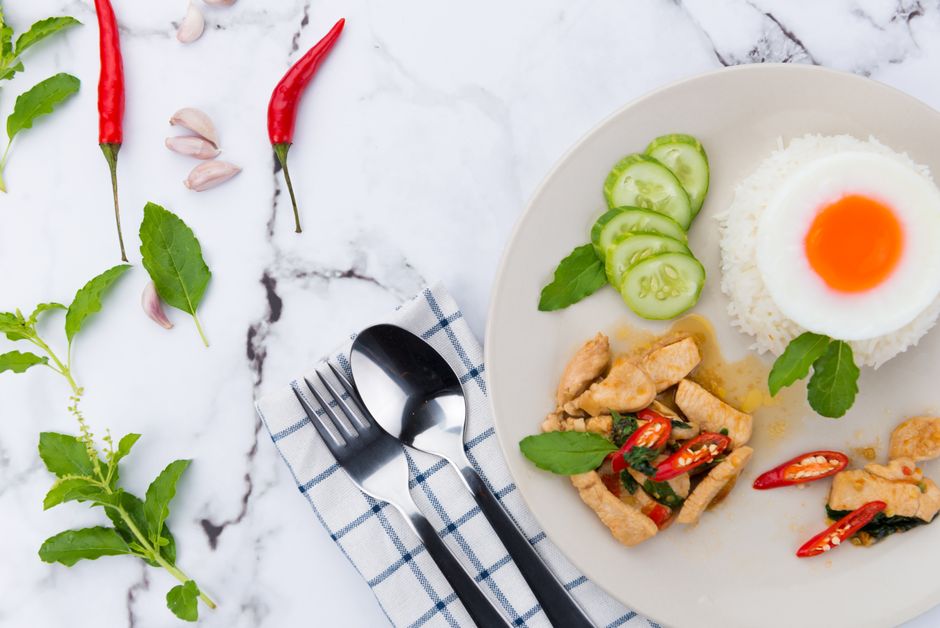
Fresh herbs aren't garnishes in Thai cooking. They're structural ingredients that finish every dish. Thai basil, cilantro, mint, and sawtooth coriander all show up because they add brightness and complexity at the end.
They go in at the last second, right before the plate. Heat kills their delicate flavors, so they're always added raw.
This is why a Thai dish you eat in Thailand tastes different than the same dish cooked hours before and transported. Those herbs were added five seconds before service.
Curry Paste Mastery
Curry paste is foundational to Thai cooking. Red curry, green curry, yellow curry, Massaman, Panang, and others all start with a paste made by grinding fresh chilies, garlic, shallots, lemongrass, galangal, and spices into a thick base.
Once that paste is made, it gets fried in oil to bloom its flavors before liquid and proteins go in. This step is crucial. Frying the paste releases oils trapped in the spices and makes the final dish taste richer and more complex.
Hungry?
Order Now →Mastering curry paste means understanding which spices to use, how to grind them, when to fry them, and how much to use based on heat level and sweetness you want. It's not as simple as dumping a can of paste into coconut milk.
If you've ever wondered why restaurant curry tastes completely different from a home-cooked version, this is a huge reason why. Fresh paste, proper technique, and timing make all the difference.
How Flavor Balance Ties Everything Together
Thai cuisine is obsessed with balance. Every dish should have spicy, salty, sour, and sweet elements working together.
Spicy comes from chilies. Salty comes from fish sauce. Sour comes from lime. Sweet comes from palm sugar or coconut milk. These aren't separate ingredients. They're part of a system.
Understanding how heat, timing, and ingredient selection create this balance is what Thai cuisine cooking methods are really about. The wok is just the tool.
When you understand that authentic Thai cooking is about integrated knowledge across multiple techniques and flavor principles, you start appreciating the skill involved in every bowl.
Putting It All Together: How Methods Create Authentic Flavor
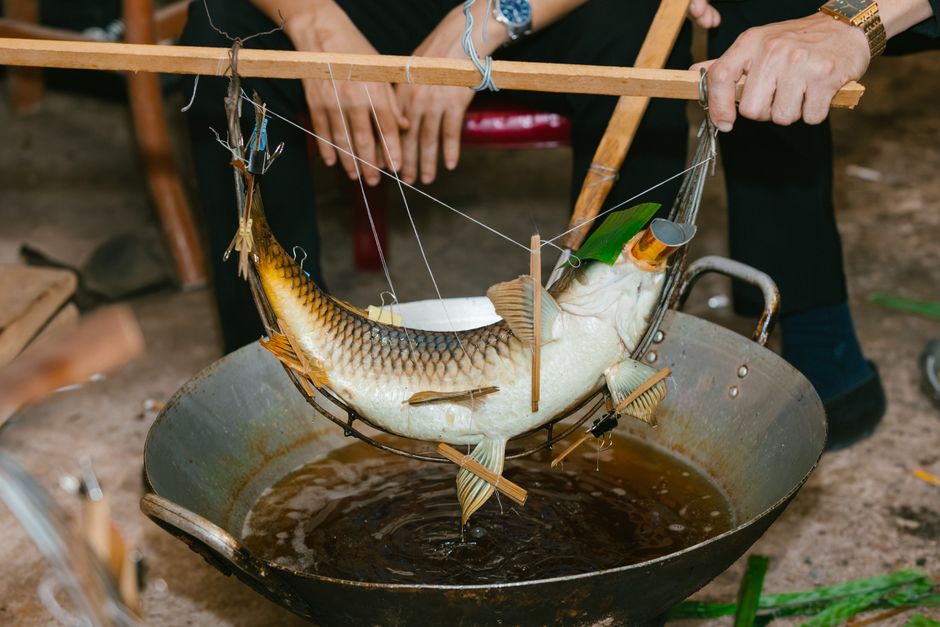
Each cooking method creates different outcomes because heat, duration, and ingredient timing vary.
A stir-fried dish emphasizes texture contrast and fresh flavors because everything cooks fast and herbs go in last. A curry emphasizes depth and harmony because flavors have time to marry. A grilled dish emphasizes smoke and char. A steamed dish emphasizes purity.
Professional Thai cooks know which method fits which ingredient and flavor profile. A delicate white fish gets steamed or grilled. A tougher cut gets stewed. Vegetables that need to stay crisp get stir-fried.
This decision-making happens before cooking even starts. It's built into the recipe, the technique choice, and the timing structure.
That's why learning to cook Thai food yourself is genuinely difficult. It's not just about following steps. You need to understand the why behind each method and when to apply it.
Key Takeaways on Thai Cooking Methods
- Thai cuisine uses five main methods: stir-frying, steaming, stewing, grilling, and deep-frying.
- High heat and rapid cooking preserve texture and release aromatic compounds.
- Timing is critical. Aromatics go in first, fish sauce mid-cook, fresh herbs at the end.
- Curry paste mastery is inseparable from stewing and flavor balance.
- Fresh herbs are structural, not decorative. They go in at the last second.
- Flavor balance (spicy, salty, sour, sweet) is the ultimate goal of every method.
How to Experience Authentic Thai Cooking Methods in Seattle
Reading about these techniques is one thing. Tasting them executed properly is another.
When you eat at a restaurant that respects traditional Thai cooking methods, you notice immediately. The wok heat is aggressive. The aromatics jump out at you. The balance of flavors feels intentional. The herbs are alive.
Related: Old World Thai Cooking Techniques: A Guide to Traditional Methods
Related: Best Thai Noodle Dishes Explained: A Complete Guide
Restaurants that cut corners skip steps, use inferior ingredients, or cook at the wrong temperatures. You taste the difference.
If you're in Seattle and want to see these methods done right, Yoksod Noodles and Thai focuses on authentic Thai cuisine made with fresh ingredients and proper technique. You can dine in and watch the kitchen work, or order online to experience it at home. Either way, you're tasting what happens when cooking methods are respected and executed with care.
Frequently Asked Questions
What's the difference between Thai and Chinese stir-frying?
Both use high heat and woks, but Thai stir-frying emphasizes fish sauce, fresh herbs, and chili heat more heavily. Chinese stir-frying often uses soy sauce and focuses on soy-based depth. The aromatics are different too. Thai heavily uses cilantro, Thai basil, and lime. The flavor profiles are completely distinct even though the cooking tool is the same.
Can you make Thai food without a wok?
Technically yes, but you'll lose something. A wok's curved sides let you push food up and away from the heat, controlling cooking speed. A flat skillet doesn't do this as well. For stir-fries, a wok gives you better texture control. For curries and stews, a regular pot works fine. For grilling and steaming, equipment doesn't matter much.
Why is fish sauce used in so many Thai dishes?
Fish sauce is umami. It adds savory depth and saltiness that salt alone can't achieve. It's not meant to smell like fish in the final dish. When added at the right time and in the right amount, it's invisible flavor-wise but makes everything taste richer and more complex. It's a seasoning tool, like salt in Western cooking.
How important is fresh vs. bottled curry paste?
Fresh paste tastes noticeably better because the aromatic compounds haven't degraded. Bottled paste is convenient and acceptable, but it's missing some vibrancy. If you're making curry at home, fresh paste from an Asian market will give you results much closer to restaurant quality. The difference is worth it if you care about authentic flavor.
Hungry?
Order Now →