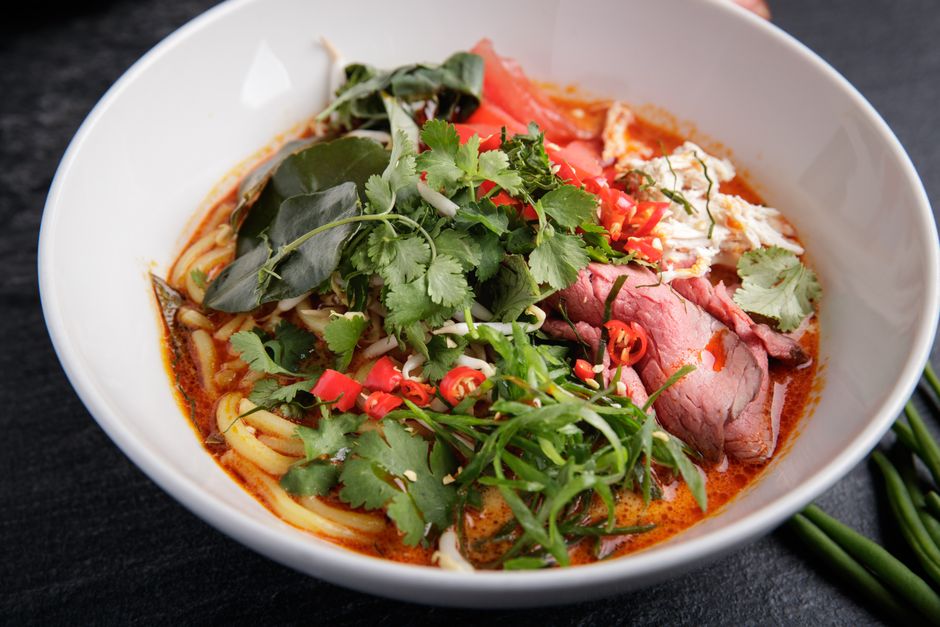
Thai red curry with fresh vegetables is one of those dishes that looks fancy but is honestly pretty straightforward to make at home. The magic happens when you combine a silky coconut sauce with crisp, colorful vegetables and the right balance of spice. You get this incredible textural contrast and flavor depth in about 30 minutes or less.
If you've ever wondered how to nail that restaurant-quality taste, you're in the right place. Let's break down exactly what makes this dish work and how you can recreate it in your own kitchen.
What Makes Thai Red Curry with Fresh Vegetables Special
Thai red curry isn't just about heat. It's about balance. You've got the warmth from the curry paste, the richness of coconut milk, and then the brightness that fresh vegetables bring to the table.
The vegetables matter more than you might think. When you use fresh eggplant, red bell peppers, broccoli florets, mushrooms, carrots, and leafy greens, you're not just adding color. You're adding texture, nutrition, and subtle flavors that round out the dish. The coconut sauce clings to each piece, but the vegetables stay just tender enough to have some bite.
This is also why the dish works for so many different eating styles. Whether you're paleo, vegan, or just trying to eat gluten-free, Thai red curry with fresh vegetables adapts easily. No animal protein required, no gluten hiding in the ingredients. It's naturally inclusive.
Essential Ingredients You'll Need
Start with the foundation. You want brown jasmine rice or long-grain brown rice as your base. About 1 and 1/4 cups will give you a solid serving for one or two people.
For cooking, grab either coconut oil or olive oil. One tablespoon is enough to get started. Then comes your aromatics: a chopped white onion creates the flavor base when you fry it down first.
The star of the show is the vegetable lineup. Here's what works best:
- Eggplant (cut into bite-sized pieces)
- Red bell pepper (sliced into strips)
- Broccoli florets (cut small)
- Baby greens or spinach
- Mushrooms (sliced)
- Carrots (thin slices or matchsticks)
- Capsicum (similar to bell pepper, just adds more color)
You'll also need red curry paste (the real foundation of flavor), coconut milk or coconut cream to create that silky sauce, and fresh coriander as your finishing herb. The coriander is crucial. It adds brightness that keeps the dish from feeling too heavy.
Step-by-Step Preparation Method
Here's where technique matters. You're not just dumping everything into a pot.
First, heat your oil in a large pan or wok over medium-high heat. When it's hot, add your chopped white onion and let it soften for about two minutes. You want it to release its flavors into the oil.
Next, add your red curry paste. This step is important. You're not adding liquid yet. You're frying the paste in the oil to deepen its flavors. Do this for about one minute. The paste should smell aromatic and slightly darker than when it went in.
Now add your firmer vegetables first. Eggplant, carrots, and broccoli can handle a few more minutes of cooking. Toss them in the curry paste and oil for about three minutes. You're developing flavor here, not just heating through.
Pour in your coconut milk or cream. Stir everything together. You want a silky, cohesive sauce. Let this simmer for about five minutes so the vegetables start to soften but still have some texture.
This is when you add your more delicate vegetables: mushrooms, bell peppers, and baby greens. These only need two to three minutes. You want them cooked but still with a little firmness.
Finish with fresh coriander right before serving. That herb brings the whole dish alive with freshness. If you want to taste authentic Thai cooking, this step is non-negotiable.
Related: Authentic Thai Green Curry Recipe: Step-by-Step Guide
Related: How to Make Thai Pad Thai at Home: Easy Recipe
Flavor Balance and Spice Control

One of the best things about making this at home is that you control the heat level. Red curry paste brings moderate spice, but it's not meant to blow your mouth off. It's meant to enhance the other flavors.
If you're sensitive to spice, use less curry paste. Start with two tablespoons and taste as you go. If you want more heat, add an extra tablespoon. You can always add more, but you can't take it back.
The coconut milk balances the spice naturally. The fat in coconut milk doesn't reduce heat exactly, but it makes heat feel smoother and less sharp. This is why restaurant Thai curries don't make your mouth burn like a straight chili might.
Hungry?
Order Now →For that perfect flavor profile, remember that coriander at the end is doing serious work. It's not just garnish. It's the component that keeps the curry from tasting one-dimensional. Fresh herbs brighten everything.
Why This Dish Works for Everyone
Thai red curry with fresh vegetables is genuinely versatile. If you're cooking for a mixed household where people have different dietary needs, this is your answer.
Skip meat entirely and it's vegan. No dairy is involved unless you count coconut milk, which is plant-based anyway. Check that your curry paste doesn't contain fish sauce if you're strict about it, but many modern brands offer versions without it.
It's naturally paleo if you use coconut oil and pair it with cauliflower rice or stick with jasmine rice. It's gluten-free as long as your curry paste doesn't have hidden gluten additives. Most don't, but read the label.
For meal prep, Thai red curry actually gets better after a day or two in the fridge. The flavors deepen. Make a batch and you've got three to four days of lunches ready to go.
Pro Tips for Restaurant-Quality Results
Don't skip the frying stage with the curry paste. That extra minute of cooking transforms the flavor from just "spicy" to "complex and layered." It sounds small, but it's the difference between homemade and restaurant-quality.
Cut your vegetables consistently. This isn't just for looks. When pieces are the same size, they cook at the same rate. You won't end up with mushy carrots and crunchy broccoli.
Use fresh vegetables if you can. Frozen works in a pinch, but fresh vegetables retain more texture and brightness. If you're serious about this dish, fresh is worth the small extra cost.
Let your rice cool slightly before serving. The contrast between cool rice and warm curry is part of the appeal. Plus, it prevents the rice from getting mushy from the sauce.
Taste before serving and adjust seasoning one last time. A pinch of salt can make all the flavors pop. A squeeze of lime juice adds brightness similar to what coriander provides.
Building Your Thai Red Curry Skills
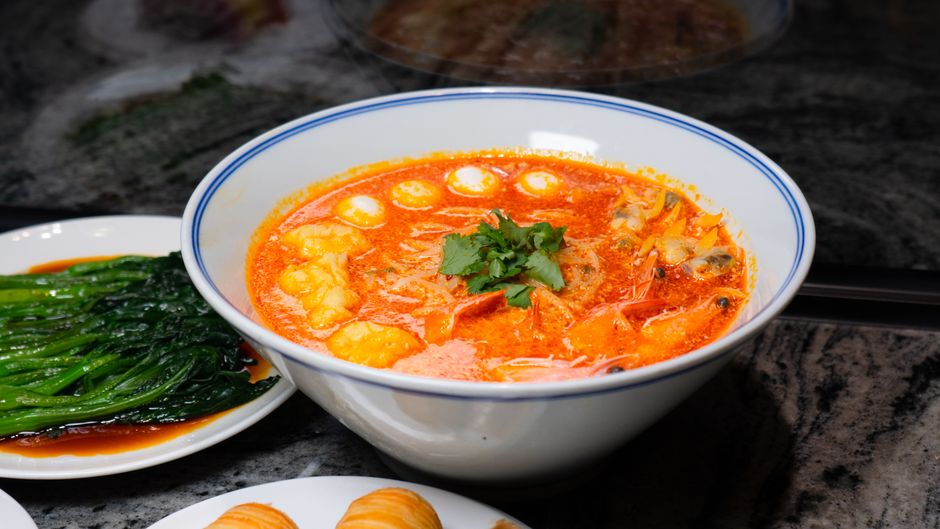
Once you've made this dish a few times, you'll start understanding how Thai flavors work together. The interplay between spice, richness, and freshness is foundational to Thai cooking.
If you want to explore more Thai cuisine or see how professionals approach these dishes, Yoksod Noodles and Thai offers authentic versions made with traditional techniques. Trying restaurant versions alongside your home cooking is honestly the fastest way to develop your palate and refine your technique.
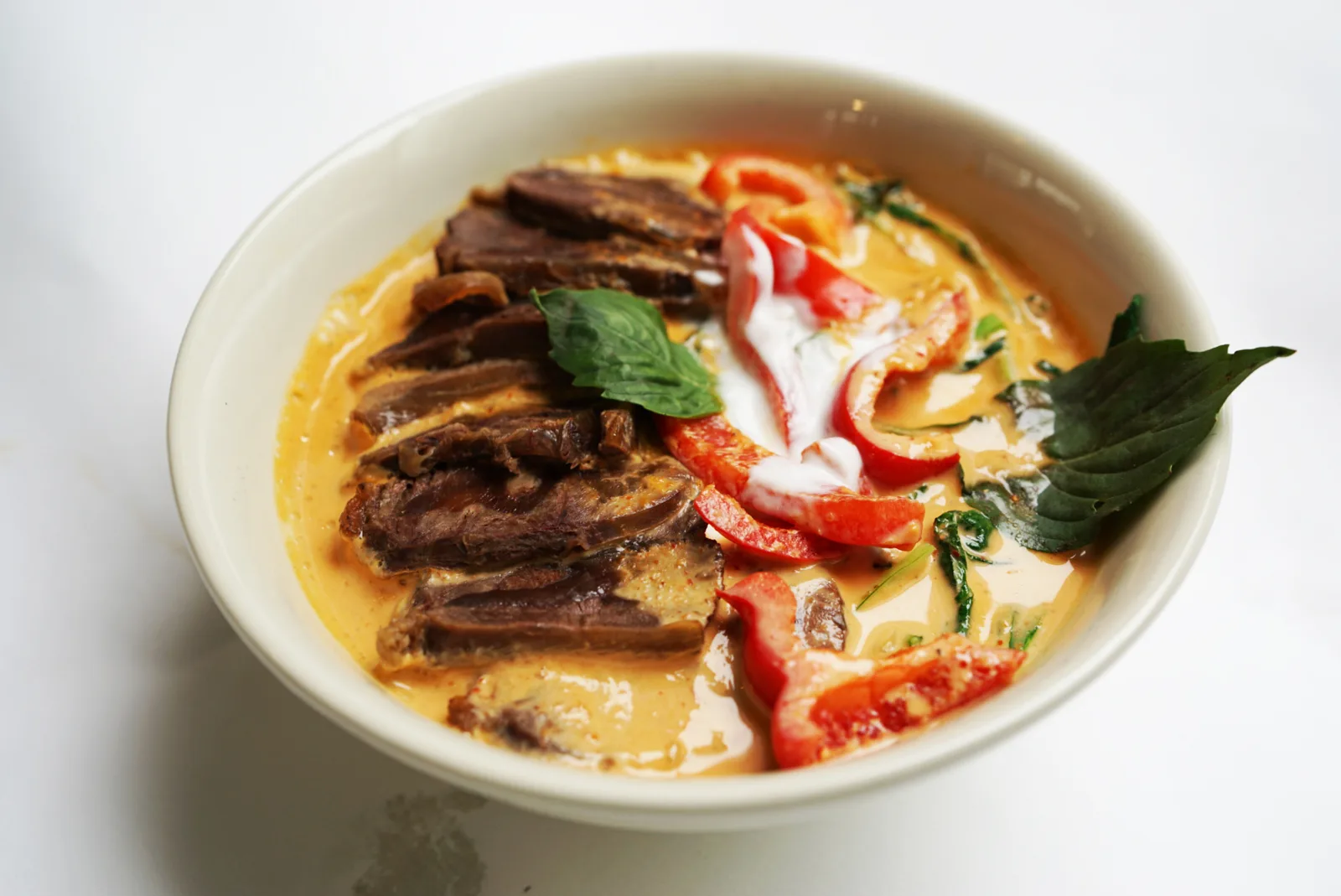
You'll start noticing what makes their version different from yours, and you'll be able to apply those observations to your own cooking. It's like having a direct line to traditional Thai culinary knowledge.
Common Questions About Thai Red Curry
Can I make Thai red curry with fresh vegetables ahead of time?
Yes, absolutely. You can prep all your vegetables and have them cut and stored in containers. The curry itself keeps great in the fridge for three to four days. Just store it in an airtight container. When you reheat it, do it gently over low heat or in the microwave so the vegetables don't overcook. The sauce will thicken slightly as it sits, so you might add a splash of water or coconut milk when reheating.
What if I don't like some of the vegetables you mentioned?
That's fine. Thai red curry with fresh vegetables is flexible. Use whatever fresh vegetables you actually enjoy. Zucchini, snap peas, green beans, or bok choy all work beautifully. The only rule is that you want a mix of textures and colors. Just adjust cooking time based on how tough the vegetable is. Harder vegetables need more time, delicate ones need less.
Is there a difference between red curry paste and red curry powder?
Yes. Curry paste is a wet blend of spices, herbs, and sometimes aromatics. Curry powder is dried and ground spices. For this dish, you want paste. It has more flavor, better texture, and is more traditional. Look for it in the Asian foods section of your grocery store or online. Yoksod Noodles and Thai uses authentic curry pastes in their kitchen, and the difference in final taste is noticeable.
How do I know if my curry is done?
Your vegetables should be tender but still have a little firmness when you bite them. The sauce should coat everything and look silky, not watery. If it looks too thin, simmer it uncovered for another minute or two. The sauce thickens slightly as it cooks and reduces. Trust your eyes and your taste buds more than any timer.
Hungry?
Order Now →