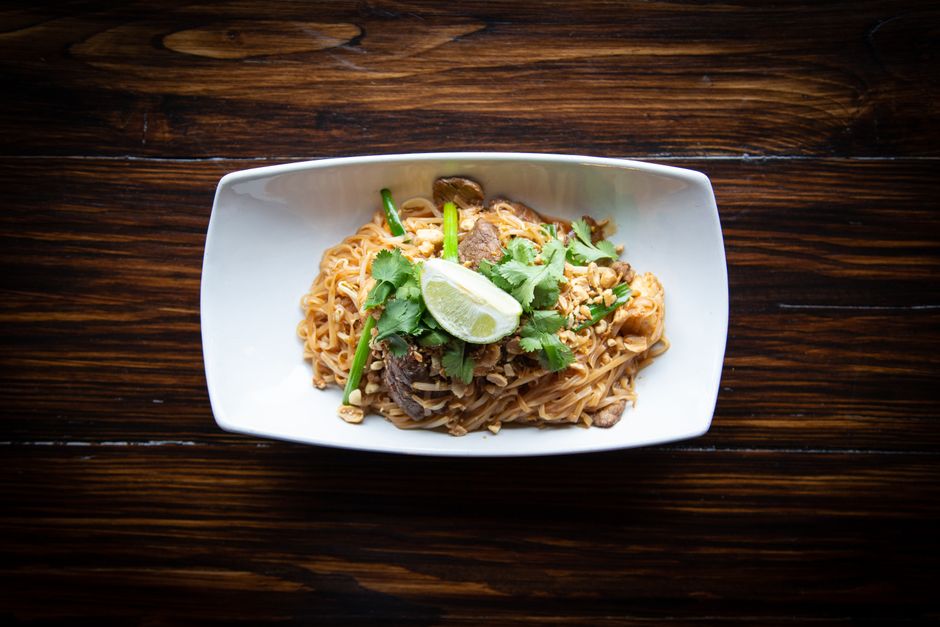
Thai peanut noodles are basically noodles tossed in a rich, tangy peanut sauce that tastes way more complicated than it actually is. The whole thing comes together in about 10-15 minutes, no cooking skills required. If you've ever ordered it at a Thai restaurant and wondered how to recreate it, you're in the right place.
What Makes Thai Peanut Noodles So Good
The magic is in the sauce. You're mixing creamy peanut butter with a balance of salty, sour, and spicy flavors that just work. Add some fresh herbs and crisp veggies, and you've got a bowl that feels both comforting and bright.
Related: Thai Peanut Noodle Sauce Recipe: Easy Homemade Guide
Related: How to Make Thai Fried Rice at Home: Easy Recipe Guide
The best part? All the sauce ingredients come together without any cooking. You just whisk them and toss.
The Core Sauce Recipe for Thai Peanut Noodles
Here's what you need for the base:
Related: Thai Red Curry with Fresh Vegetables: Easy Recipe Guide
- Peanut butter (smooth or chunky, your call)
- Soy sauce
- Sesame oil
- Chili paste or chili oil
- Garlic (minced)
- Ginger (fresh, minced)
- Lime juice (fresh is better)
That's it. These ingredients balance each other perfectly. The peanut butter brings richness, soy sauce adds saltiness, lime juice cuts through with acidity, and chili paste gives heat. Sesame oil deepens everything with a nutty warmth.
If you want to explore what authentic Thai peanut noodles taste like from the start, Yoksod Noodles and Thai serves traditional versions that show you exactly how the flavors should come together.
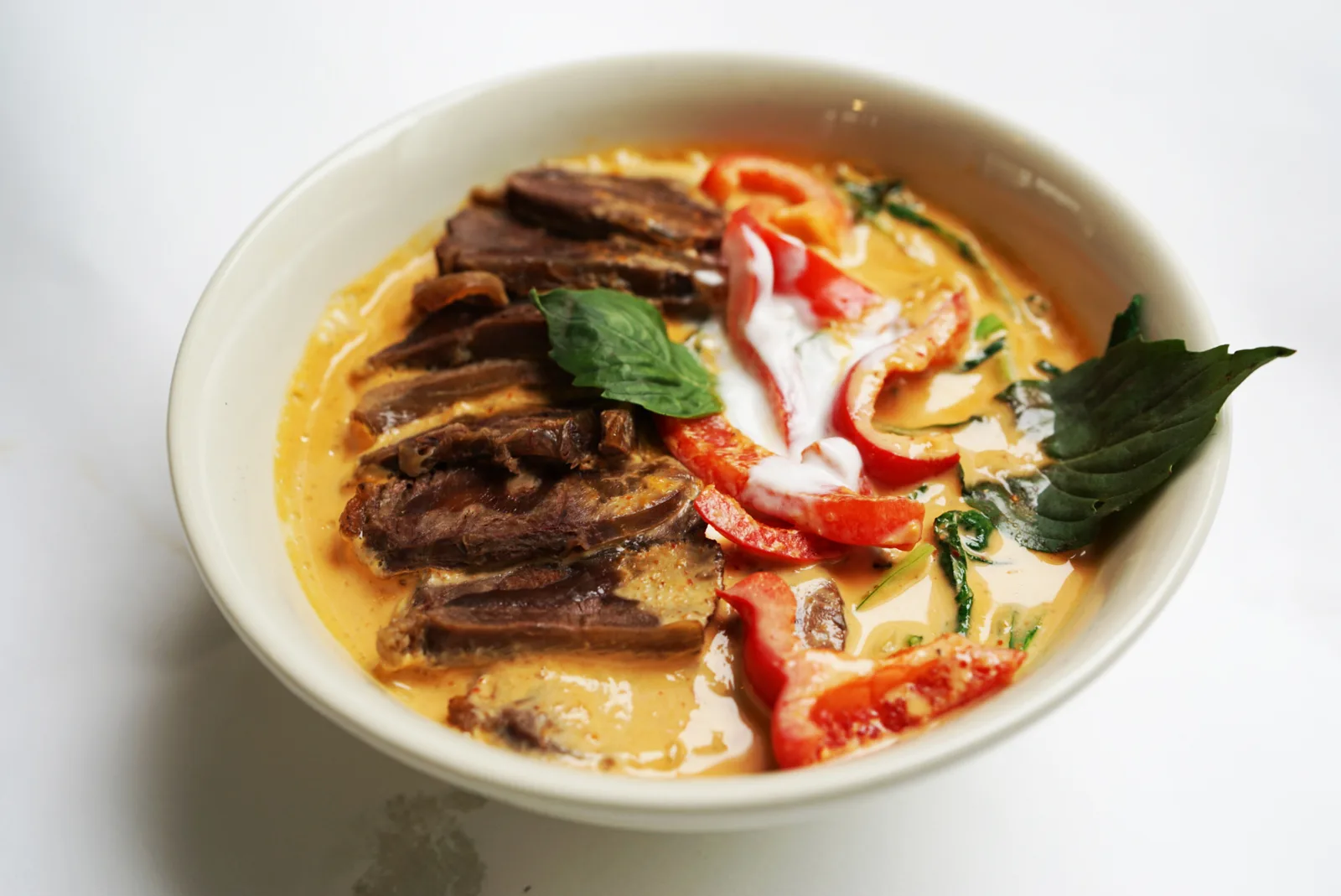
Making the Sauce: Step by Step
Start with about 1/3 cup of peanut butter as your base. Add 2-3 tablespoons of soy sauce, 1 tablespoon of sesame oil, and 1 tablespoon of chili paste or chili oil. Mince up about 2 cloves of garlic and 1 teaspoon of fresh ginger, then add both to the bowl.
Squeeze in the juice from half a lime (about 1-2 tablespoons). Now whisk everything together until it's smooth and creamy. If it feels too thick, add a splash of water at a time until you get the consistency you want. The sauce should coat noodles easily but not be runny.
Taste it. Adjust the heat with more chili paste if you want it spicier. Add more lime if you want more tang. This is your bowl, so make it taste right to you.
Choosing Your Noodles
Thai peanut noodles work with basically any noodle shape or type. Rice noodles are classic and have a delicate texture. Egg noodles are chewy and hearty. Ramen noodles work great too. Even spaghetti or linguine will do the job.
Cook your noodles according to the package instructions, then drain and rinse them lightly with cool water so they don't stick together. You want them slightly cooled before you toss them in the sauce so the sauce coats evenly.
Adding Vegetables and Texture
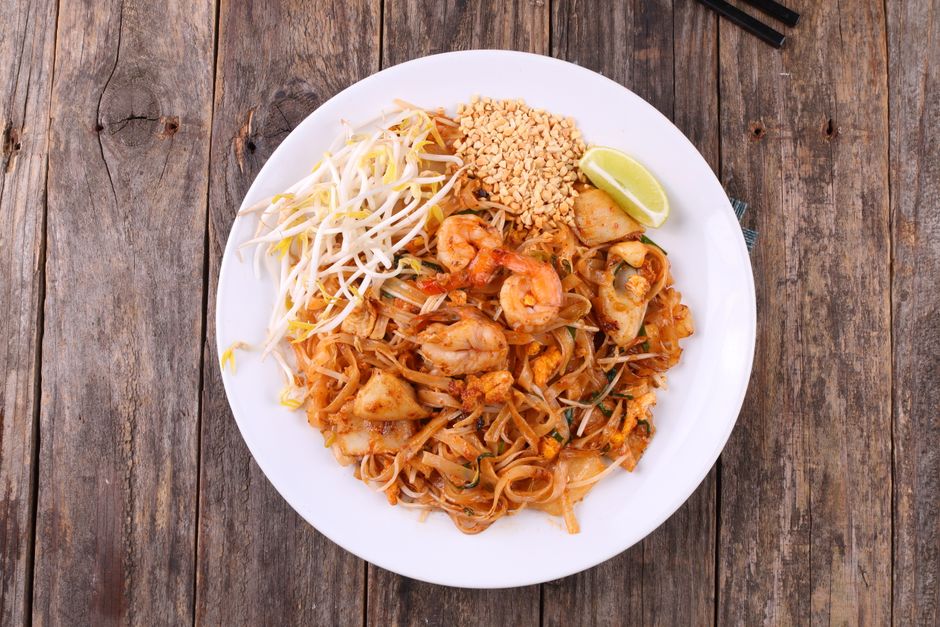
Crisp vegetables do two things: they add nutrition and they give you texture contrast against the creamy sauce. Some good options are shredded carrots, thinly sliced bell peppers, cucumber ribbons, shredded cabbage, or snap peas.
You can add them raw for maximum crunch, or blanch them lightly in boiling water for 1-2 minutes if you prefer them softer. Toss everything together with your noodles and sauce.
The Creamy Option: Adding Coconut Milk
If you want to make your Thai peanut noodles extra rich and authentic, add a splash of coconut milk to the sauce. Start with 2-3 tablespoons and whisk it in. Coconut milk adds creaminess and a subtle sweetness that makes the whole dish feel more like what you'd get at a restaurant.
Hungry?
Order Now →The coconut flavor is gentle, not overwhelming. It just softens the edges of the peanut and spice and makes everything feel more luxurious.
Garnishing Like a Pro
Top your finished bowl with crushed roasted peanuts. They add texture and double down on the peanut flavor in the best way. Fresh basil is also traditional and adds a peppery freshness. Cilantro works too if that's what you have.
A lime wedge on the side lets people add more citrus if they want. Sliced green onions add a mild onion bite. Even a sprinkle of sesame seeds looks good and tastes great.
Controlling the Heat Level
One of the best things about making Thai peanut noodles at home is that you control how spicy it gets. If you like mild flavors, use just a small amount of chili paste or skip it entirely. The dish is still delicious without it.
If you like serious heat, add more chili paste or use chili oil instead. You can also add a pinch of cayenne pepper or red pepper flakes. Start small and taste as you go, because it's easier to add heat than to take it out.
Making It Vegan or Gluten-Free
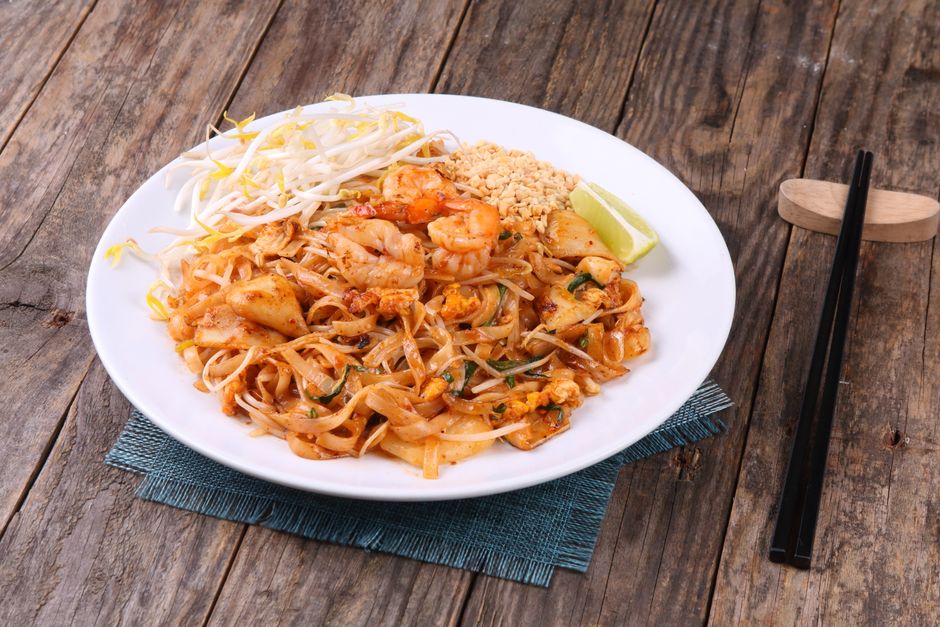
Thai peanut noodles are naturally vegan if you use regular peanut butter and make sure your soy sauce and chili paste don't have any animal products. Check the labels, but most of these ingredients are vegan-friendly.
For gluten-free, use tamari or gluten-free soy sauce instead of regular soy sauce. Double-check that your chili paste and peanut butter are gluten-free too. Rice noodles are naturally gluten-free as well.
Flavor Balance Tips
The key to great Thai peanut noodles is balance. You want creamy, salty, sour, and spicy all working together. If your bowl tastes too rich, add more lime juice. If it's too spicy, add a bit more peanut butter. If it's too bland, taste for salt by adjusting soy sauce.
Fresh basil makes a huge difference in how bright and authentic it tastes. It's worth grabbing a small bunch if you can find it.
Storage and Leftovers
Thai peanut noodles are best eaten fresh, but you can store leftovers in an airtight container in the fridge for up to 3 days. The noodles will absorb more sauce as they sit, which some people love and others find too thick.
If you're meal prepping, keep the sauce separate from the noodles and vegetables. That way everything stays fresher and you can reheat or eat cold as you prefer.
Why Make It at Home Versus Ordering Out
Making Thai peanut noodles at home gives you total control over every ingredient and how spicy it gets. You also know exactly what's going into your bowl. It's faster than ordering out and costs less.
That said, if you want to experience how a pro makes it or you're in the mood to skip the cooking, Yoksod Noodles and Thai can handle it for you with authentic Thai techniques and fresh ingredients. Sometimes it's nice to have someone else do the work.
Common Mistakes to Avoid
Don't skip the lime juice. It's not optional. The acid is what makes the dish bright instead of heavy. Don't use old or expired peanut butter either, because it can taste rancid. Fresh ingredients make a huge difference in a dish this simple.
Don't cook the sauce. Just whisk it cold. You want all those fresh flavors to shine, and heat can mute them. Also, don't overcrowd your pan or bowl when mixing. Toss gently so the sauce coats everything evenly.
Can I make Thai peanut noodles ahead of time?
Yes, but with a caveat. Make the sauce a day or two in advance and store it in the fridge. Keep the cooked noodles and vegetables separate. About 30 minutes before you want to eat, toss everything together. This keeps the noodles from getting soggy and the vegetables from wilting.
What if I don't have sesame oil?
Sesame oil adds depth, but you can skip it if you don't have it. The dish will taste good either way. If you want to replace it, a tiny bit of coconut oil works, or you can just leave it out and use a bit more peanut butter for richness.
Is Thai peanut noodle sauce good on other dishes?
Absolutely. Use it on grilled chicken, roasted vegetables, rice bowls, or even as a dipping sauce for spring rolls or satay. The sauce is versatile and works anywhere you want that creamy, tangy peanut flavor.
How spicy should Thai peanut noodles be?
There's no one right answer. Traditional Thai versions have noticeable heat, but not face-melting spice. Start with 1 tablespoon of chili paste, taste it, and go from there. You're looking for a warmth that makes you notice the chili without drowning out the other flavors.
Hungry?
Order Now →