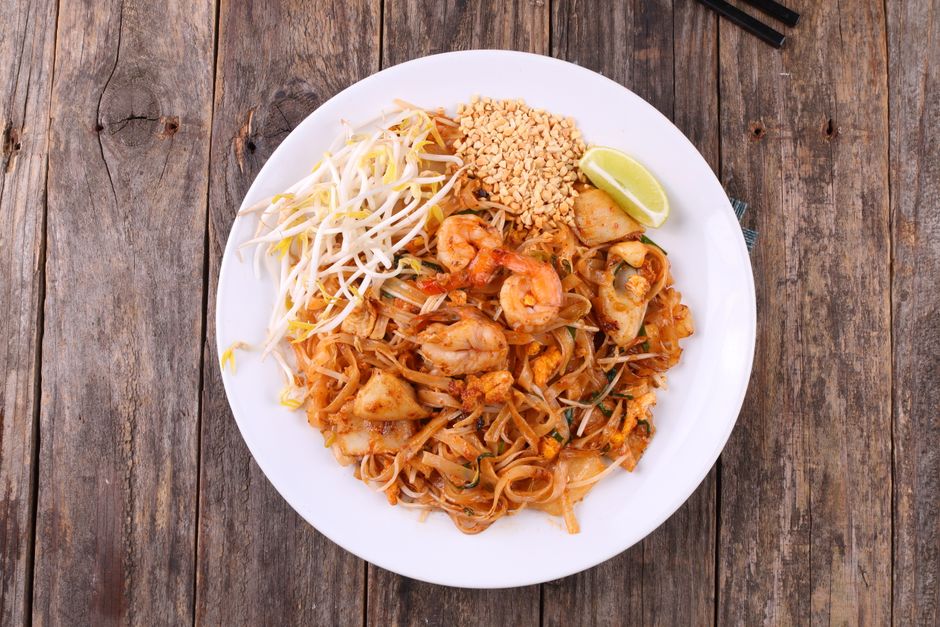
Making a killer Thai peanut noodle sauce at home is way easier than you think. You don't need a stove, fancy equipment, or even cooking skills. Just a bowl, a whisk, and about five minutes of your time. By the end of this guide, you'll have a creamy, tangy, perfectly balanced sauce that tastes like it came straight from a Bangkok street vendor.
The beauty of this sauce is that it's all about whisking together the right ingredients in the right proportions. Get those ratios down, and you can make it blindfolded (okay, maybe not, but you get the idea).
What You'll Need for Thai Peanut Noodle Sauce
Let's talk ingredients. You probably have most of these in your kitchen already, which is part of why this recipe is so practical.
Related: How to Make Thai Pad Thai at Home: Easy Recipe
The Base: Start with creamy peanut butter (about 1/2 cup). This is your foundation. Don't use the natural, separated kind unless you're okay with a thinner sauce.
The Umami: Add low-sodium soy sauce or tamari (around 1/4 cup). Low-sodium is your friend here because you control the saltiness. If you're gluten-free, tamari is your answer.
The Acid: Rice vinegar or apple cider vinegar brings brightness. You need this to cut through the richness of the peanut butter.
The Citrus: Fresh lime juice is non-negotiable. Bottled lime juice is going to let you down here. Squeeze it yourself. It makes that difference.
The Aromatics: Minced garlic (about 2 cloves) and fresh ginger add depth and warmth. These are the flavors that make your sauce taste authentic.
Related: Authentic Thai Green Curry Recipe: Step-by-Step Guide
The Sweet: Brown sugar or honey balances everything out. This isn't dessert sauce, so don't go overboard.
The Heat: Chili garlic sauce or fresh sliced chilies add the kick. Adjust based on how spicy you like things.
The Luxe: Sesame oil adds a nutty, toasty note that elevates the whole thing. Just a little goes a long way.
The Liquid: Water or coconut milk gets you to the right consistency. Coconut milk is richer and more authentic, but water works if that's what you have.
How to Make Thai Peanut Noodle Sauce Step by Step
Here's the dead-simple method that works every single time.
Step 1: Start with your peanut butter. Grab a medium bowl and add your 1/2 cup of creamy peanut butter. This is going to be thick and stubborn, which is exactly what you want right now.
Step 2: Add your soy sauce or tamari. Pour in about 1/4 cup slowly while you whisk. This helps break down the peanut butter and makes it easier to combine everything else.
Step 3: Whisk in your aromatics. Add your minced garlic and grated ginger. Whisk until they're evenly distributed. You want no clumps of garlic floating around.
Step 4: Add acid and citrus. Pour in about 2 tablespoons of rice vinegar and 2-3 tablespoons of fresh lime juice. Whisk hard. This is when the sauce starts to come alive.
Step 5: Balance with sweet. Add about 2 tablespoons of brown sugar or honey. Whisk until it dissolves. Taste it. Does it need more sweet? Add a bit more. This is your call.
Step 6: Add heat and aromatics. Stir in about 1 tablespoon of chili garlic sauce or your fresh chilies. Again, taste and adjust. Some people want fire; some want a whisper of heat.
Step 7: Add sesame oil. Drizzle in about 1 tablespoon of sesame oil. This is the secret that makes people think you spent way more effort than you actually did.
Step 8: Bring it to the right consistency. Start with 1/2 cup of water or coconut milk. Whisk it in slowly. You want something that clings to noodles but isn't glue. If it's too thick, add more liquid, one tablespoon at a time.
Total time? Five to seven minutes. That's it.
Pro Tips to Level Up Your Sauce
Here are some things that separate a good sauce from a great one.
Taste as you go. This isn't a chemistry experiment. Your palate is your best tool. After each ingredient, taste it. Do you need more lime? More heat? Add it.
Use fresh lime juice every single time. This is where people cut corners and regret it. Fresh is the only way.
Toast your sesame oil lightly before adding it. If you have a few seconds, warm a tiny amount in a dry pan, then add it to your sauce. It deepens the flavor.
Let your sauce sit for 10 minutes before using it. The flavors need time to get cozy with each other. Mix it once more right before serving.
Make a bigger batch and refrigerate it. This sauce keeps for about a week in an airtight container. Actually, it tastes better the next day because all the flavors marry together.
Coconut milk > water for authenticity. If you want to taste what they serve at Yoksod Noodles and Thai, use coconut milk. The richness is incredible.
What to Do With Your Thai Peanut Noodle Sauce
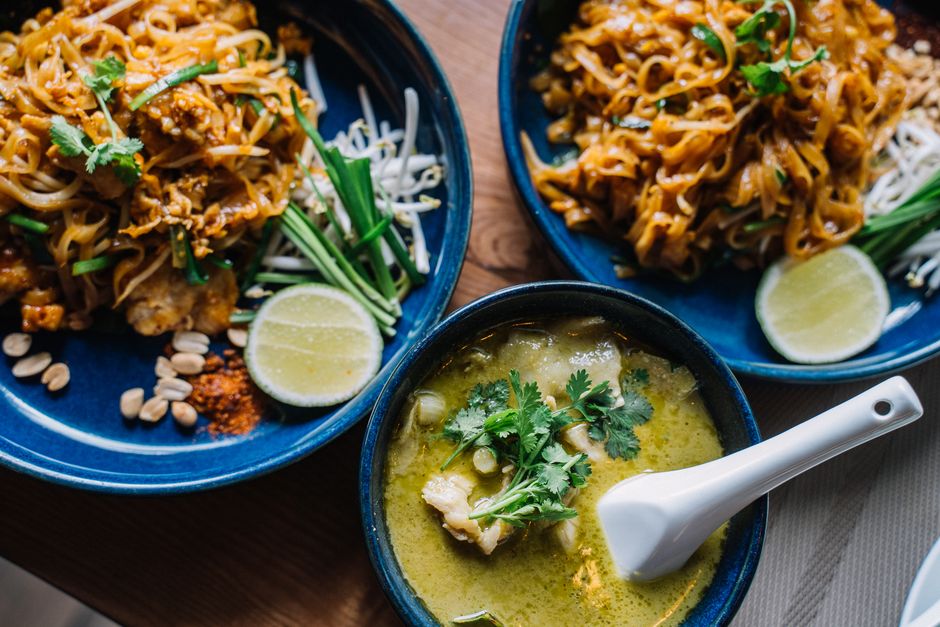
This sauce is incredibly versatile. Here's where you actually use it.
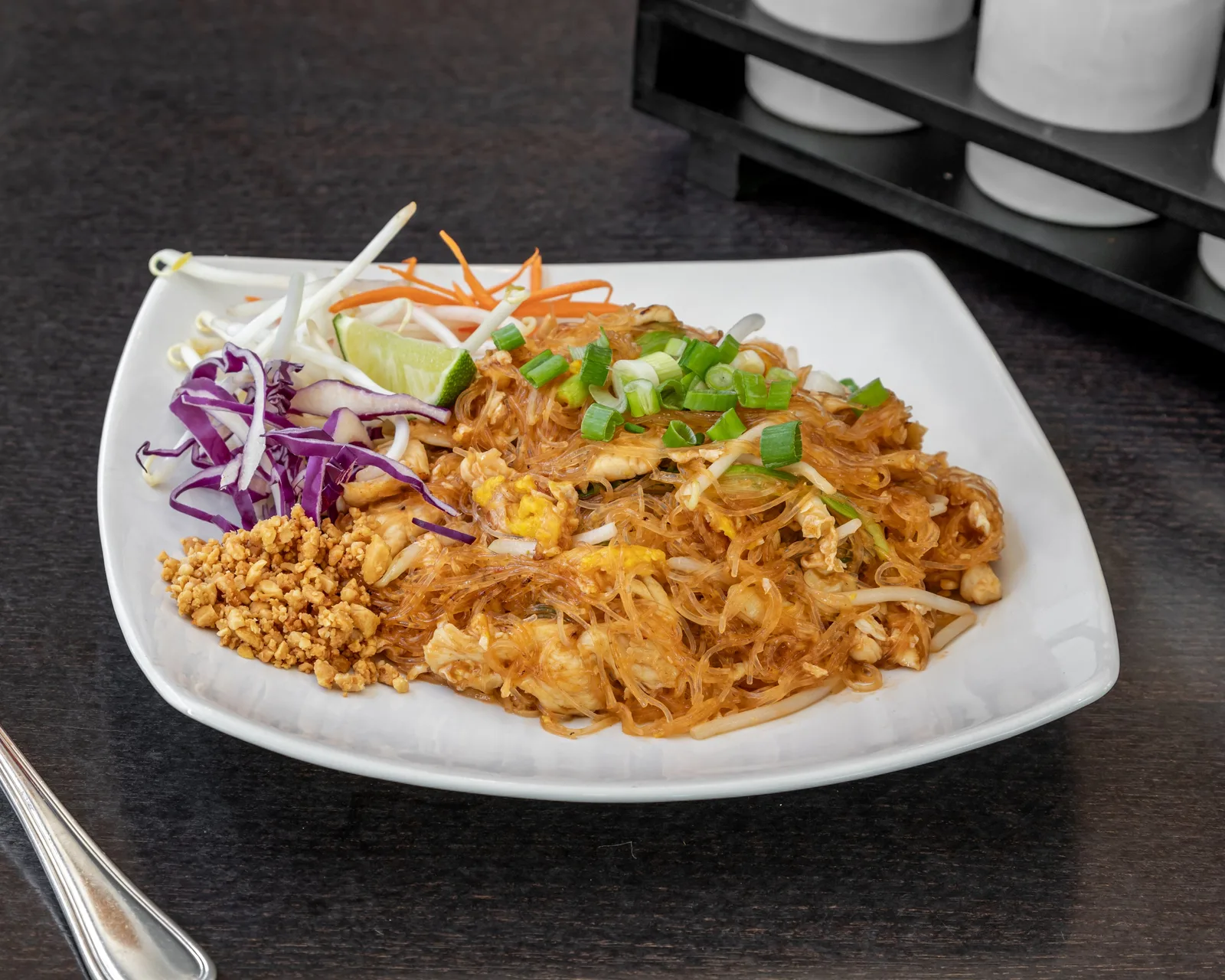
Toss with noodles: Pad thai, rice noodles, egg noodles, whatever. The sauce clings to everything beautifully. Toss hot noodles with your sauce and you've got dinner.
Use as a dipping sauce: Spring rolls, satay skewers, grilled chicken. This sauce makes everything better.
Coat proteins: Drizzle it over grilled tofu, chicken breast, or shrimp. Bake it, grill it, serve it cold. Works every way.
Dress salads: It's not just for noodles. A little thinned with lime juice and it becomes an incredible salad dressing.
Dunk vegetables: Raw carrots, bell peppers, cucumbers. The sauce transforms raw veggies into something craveable.
Adjusting for Your Taste
Not everyone likes their sauce the same way, and that's perfect.
Too thick? Add more liquid, one tablespoon at a time. You want it to flow but stick.
Not sweet enough? Add more honey or brown sugar. Sometimes people need an extra tablespoon.
Not spicy enough? Add more chili garlic sauce or fresh chilies. Heat builds fast, so go slow.
Too salty? You might have used regular soy sauce instead of low-sodium. Next time, use low-sodium. For this batch, add a squeeze of lime juice to balance it out.
Tastes flat? You need more acid. Add another tablespoon of vinegar or lime juice. Acid is what makes sauces pop.
The research from nutrition experts shows that peanut butter is packed with protein and healthy fats, making this sauce not just delicious but actually nourishing. Balance the richness with acid and brightness, and you've got something that tastes incredible and works for your body.
Common Mistakes (And How to Avoid Them)
Using jarred minced garlic: Fresh garlic tastes completely different. Spend the 30 seconds and mince it yourself.
Skipping the lime juice: This is the thing that distinguishes Thai sauce from generic peanut sauce. Don't skip it.
Not adjusting soy sauce: Regular soy sauce will make your sauce unbearably salty. Always go low-sodium.
Making it too thick: A sauce should coat noodles, not stand up on its own. If it looks like peanut butter, add liquid.
Not tasting as you go: This is the only way to learn what you like. Taste constantly.
Storing and Keeping Your Sauce Fresh

Here's how to make sure your batch lasts and stays delicious.
Keep it in an airtight container in the fridge. It'll last about seven days. The flavors actually intensify after a day or two, so don't be surprised if it tastes even better tomorrow.
If it thickens up in the fridge, just whisk in a bit of water or coconut milk when you're ready to use it. The ingredients naturally want to separate slightly, but a quick whisk and you're back in business.
Don't freeze it. The consistency gets weird when it thaws. Stick with refrigeration.
If you want to keep a batch at work or in your car (guilty), use a mason jar. It stays fresh longer and you look like you have your life together.
Ready to put this sauce to work? Grab some quality noodles and fresh ingredients, and you're moments away from a meal that tastes like you spent hours on it. If you ever want to taste what professional Thai chefs do with these flavors, Yoksod Noodles and Thai is worth experiencing in person.
Variations You Can Try
Coconut-forward version: Use full-fat coconut milk instead of water. You get a creamier, richer sauce that's closer to what you'd find in Thailand.
Extra spicy version: Add double the chili garlic sauce and throw in some sriracha. This is for heat lovers.
Herbal version: Add fresh Thai basil at the end for an authentic complexity that's hard to describe but amazing to taste.
Lighter version: Use half the peanut butter and add almond butter for a lighter take that's still creamy.
Ginger-forward version: If you love ginger, use triple the amount. It brings a brightness that some people go crazy for.
What if I don't have fresh lime juice?
You're in a bind, but it's fixable. Use bottled lime juice as a backup, but understand that your sauce won't taste quite as bright. You could also substitute lemon juice or rice vinegar for a little extra tang to make up for it. Fresh is always better, but canned lime juice is better than no lime juice.
Can I make this sauce ahead of time?
Absolutely. In fact, making it a day ahead is great. The flavors meld together and actually taste better. Just store it in the fridge in an airtight container and give it a whisk before using it.
Is this sauce vegan?
Yes, if you use tamari instead of soy sauce and make sure your peanut butter and other ingredients don't have animal products. Brown sugar is usually vegan too. Double-check your specific ingredients, but the method works perfectly for vegan cooking.
Can I use powdered peanut butter?
Not for this recipe. Powdered peanut butter doesn't have the oils that make this sauce creamy and luxurious. Stick with regular creamy peanut butter. It's worth it.