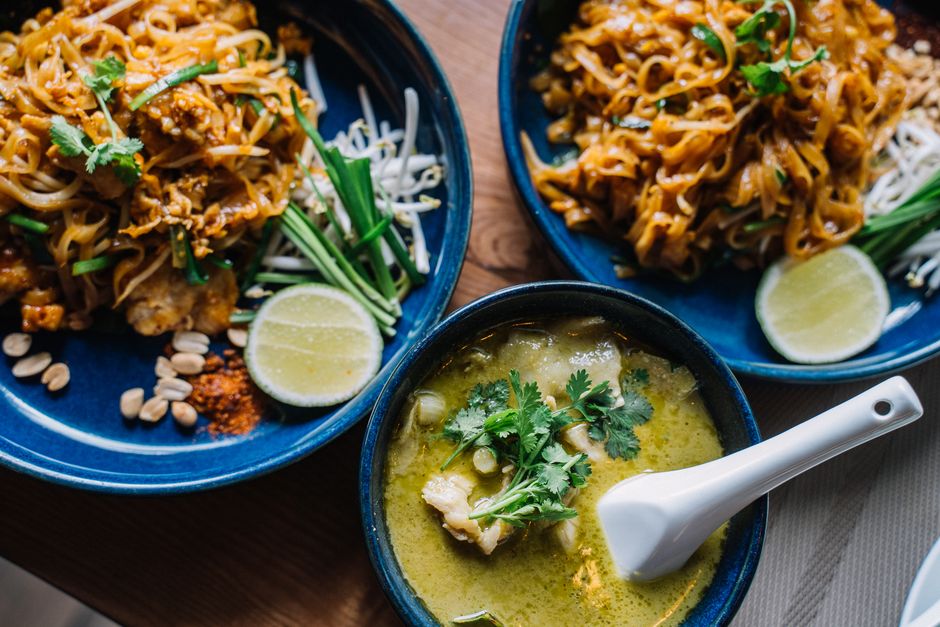
Looking for real Thai Siam noodle dishes in Seattle? You're in the right place. These aren't the watered-down noodle bowls you might find at a chain restaurant. We're talking about traditional Thai noodles made from scratch, with fresh ingredients and flavors that actually hit different when they're done right.
The beauty of Thai noodle dishes is that they hit all your senses at once. You get soft, chewy noodles coated in sauce, proteins that are cooked perfectly, and layers of flavor that make you want another bite before you've even finished the first one. Whether you're craving something mild or you like your food spicy enough to make your eyes water, Thai Siam noodle dishes deliver.
Let's break down what makes these dishes special and where you can find the real deal in Seattle.
What Are Thai Siam Noodle Dishes?
Thai Siam noodles are a category of noodle dishes that blend soft rice noodles with savory sauces, proteins, and fresh ingredients. The magic happens when everything comes together on your plate.
The signature Siam Noodle is a perfect example. Imagine soft rice noodles that have been pan-fried until they're golden and tender. Then they're mixed with fresh spinach, your choice of protein, and a rich peanut sauce that coats every strand. It's comfort food that tastes authentic because it is authentic.
What sets Thai noodle dishes apart from other cuisines is the balance. You're not just eating carbs with a protein on top. You're eating a dish where sweet, savory, spicy, and umami flavors work together. Every component matters, from the noodle texture to the sauce consistency to how the protein is cooked.
Protein Options and How They Change the Dish
One of the best things about Thai Siam noodles is flexibility. When you order, you typically get to choose your protein, and each one brings something different to the table.
Chicken is the classic choice. It's mild, cooks quickly, and lets the sauce and noodles shine. If you're new to Thai noodles or you just want the flavors of the dish front and center, chicken is your friend.
Beef brings more depth. It has a richer flavor and a firmer texture than chicken. When beef is cooked well in a Thai noodle dish, it adds this satisfying chewiness that makes the whole bowl feel more substantial.
Pork is somewhere in between. It's tender when cooked right, with just enough flavor to stand out but not so much that it overpowers the sauce. If you want something that feels a little special but still approachable, pork is solid.
Tofu is the plant-based option, and don't skip it just because you're not vegetarian. Good tofu soaks up sauce and takes on flavor like nothing else. It's soft, it's satisfying, and it's a legitimate choice whether you eat meat or not.
Spice Levels: From Mild to Eye-Watering
Thai food has a reputation for being spicy, and that's kind of fair. But here's what people don't always understand: authentic Thai Siam noodle dishes come at different heat levels, and you have way more control than you think.
On the mild end, you've got dishes like Mee Sapam. This one is for people who want the authentic flavors without the burn. You still get the complexity and the quality ingredients, but the spice is dialed way back. It's not bland, though. The other flavors get more room to breathe.
If you can handle a little heat, the mid-range options are where a lot of the depth comes through. The spice adds a kick that makes your taste buds wake up. It's not painful, but it's definitely there.
Then there are the dishes that are genuinely spicy. These aren't for everyone, and that's okay. But if you like heat, these noodle dishes will satisfy you. The spice is part of the flavor profile, not the whole point.
Here's the key thing: you should always be able to tell the restaurant what your spice tolerance is. A place that respects your preferences and can deliver authentic flavors at different heat levels is worth coming back to.
What Makes Quality Thai Noodle Dishes
Not all Thai noodle dishes are created equal. Here's what separates the good ones from the mediocre ones.
Fresh ingredients. This is non-negotiable. Noodles made from scratch, vegetables that aren't sitting around, proteins cooked to order, sauce made with real ingredients. If a restaurant is using frozen noodles or pre-made sauce sitting in a pot all day, you're going to taste it.
No MSG. Some restaurants lean on MSG to make dishes taste "more flavorful" when the foundation isn't strong enough. Real Thai cooking doesn't need it. The flavors come from quality ingredients and proper technique. When a place skips the MSG, it usually means they're confident in what they're making.
Attention to the noodles. The noodles are literally the base of the dish. They need to have the right texture. Too soft and they fall apart. Too chewy and they're unpleasant. Good Thai noodles are tender but still have a little structure. When they're pan-fried, you want that light golden crust on the outside with a soft interior.
Balanced sauce. The sauce shouldn't be one-dimensional. You're looking for something that has sweetness, saltiness, spice if that's in the recipe, and depth. The sauce should coat the noodles evenly so you get flavor in every bite.
Protein cooked properly. Whether it's chicken, beef, pork, or tofu, the protein should be cooked all the way through but not overdone. It should be tender and absorb the flavors around it.
When you're looking for authentic Thai Siam noodle dishes in Seattle, keep these standards in mind. Yoksod Noodles and Thai is one place that takes these details seriously, making their noodles from scratch and using premium local ingredients without shortcuts like MSG.
Hungry?
Order Now →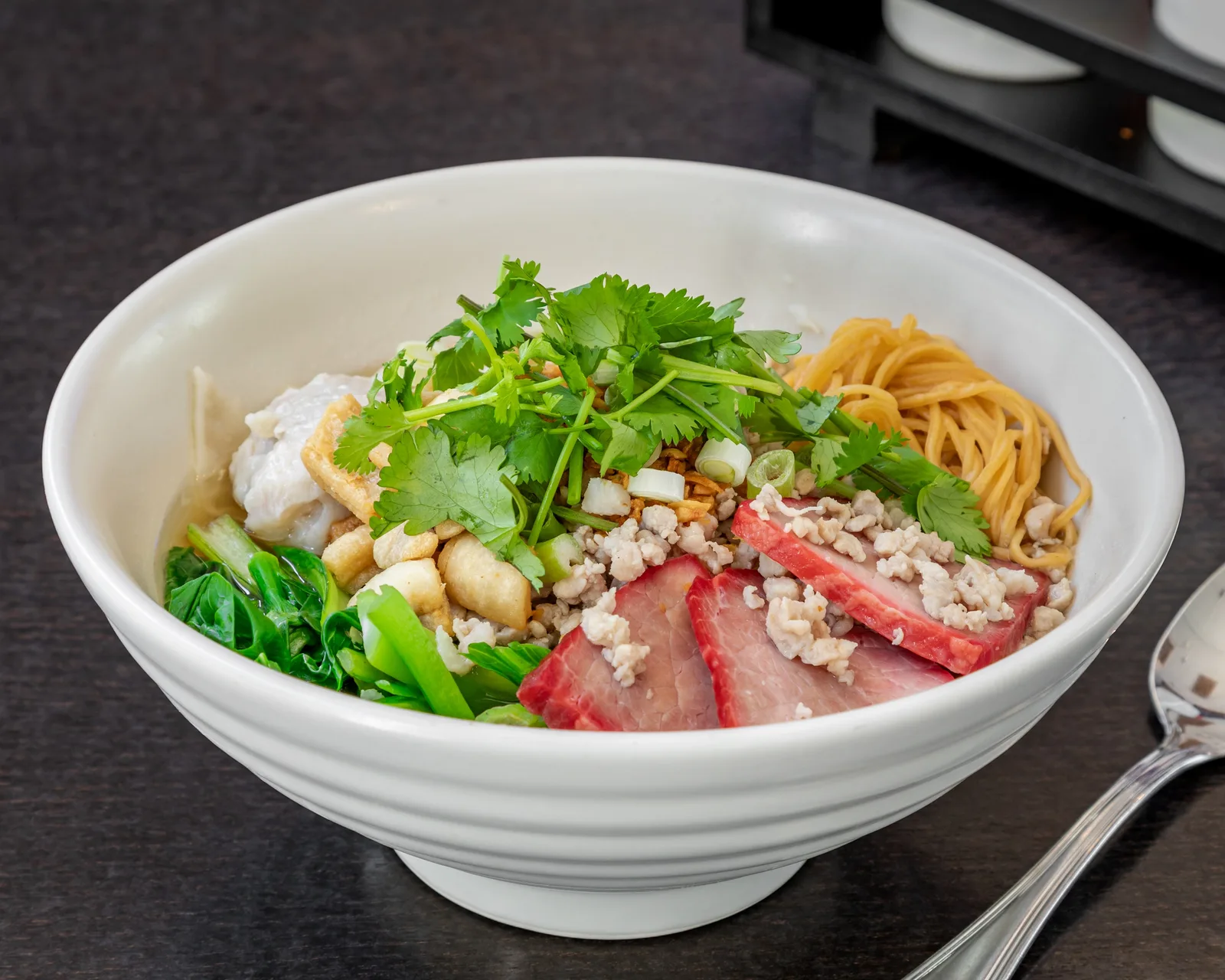
How to Order Thai Noodles and What to Expect
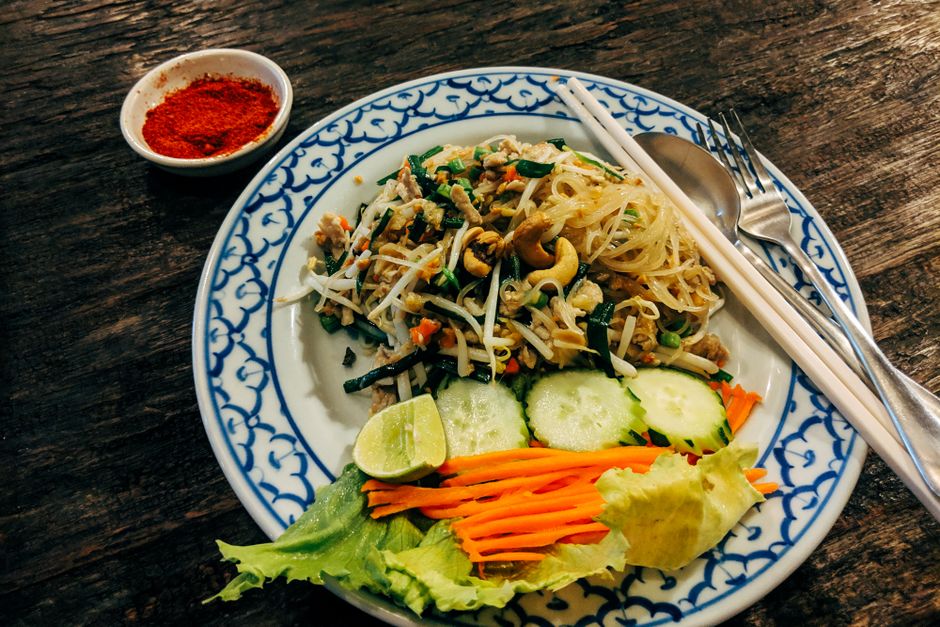
When you're ordering Thai Siam noodles, a few decisions matter.
First, choose your protein. We already covered this, but remember: there's no wrong choice. Pick what sounds good to you.
Second, decide on your spice level. Most restaurants will ask you to pick a number on a scale or just tell them how much heat you can handle. Be honest here. You can always add hot sauce later, but you can't remove spice once it's cooked in.
Third, think about any customizations. Want extra vegetables? Ask. Want to skip something? Most places will work with you.
When your noodles arrive, take a moment to look at them. Good Thai noodles should smell amazing. You should see the ingredients clearly. There should be a nice coating of sauce, not a puddle at the bottom. The noodles should look fresh and slightly glistening, not dry.
The first bite is important. You're checking the temperature, the flavor balance, and the texture. If something's off, now's the time to let the restaurant know. A good spot will fix it without attitude.
Where to Find Authentic Thai Siam Noodles in Seattle
Seattle has some solid options for Thai food, but finding truly authentic Thai Siam noodle dishes means looking for places that care about the fundamentals. You want a restaurant that treats each dish like it matters, not just a place pumping out noodles as fast as possible.
Look for spots where the menu has depth. A place that offers different proteins, respects spice preferences, and makes things from scratch is usually a good bet. The atmosphere matters too. Authentic Thai restaurants often feel warm and unpretentious. You're there for the food, not the Instagram aesthetic.
Word of mouth is your friend here. Ask friends, check what people are saying online, but focus on reviews that actually describe the food and the experience, not just the rating.
When you find a place you like, stick with it. Building a relationship with a restaurant means they start to know your order and your preferences. That's when the experience gets even better.
Khao Soi and Other Variations
While the Siam Noodle with peanut sauce is iconic, Thai noodle dishes have other variations worth trying.
Khao Soi is a Northern Thai classic that's different from the typical pan-fried noodle dishes. It's a curry noodle soup with a rich, spiced broth. The noodles are topped with crispy fried noodles for texture contrast. It's warming, complex, and deeply satisfying. If you like curries and noodles, Khao Soi should be on your list.
The variety in Thai noodle dishes keeps things interesting. Different regions of Thailand have different styles, different sauces, different flavor profiles. Even if you find one dish you love, there's always something new to explore.
Making Thai Noodles at Home vs. Ordering Out
You can definitely make Thai noodles at home. There are plenty of recipes out there. But here's the honest truth: it's harder than it looks.
Getting the noodle texture right requires practice. The sauce balance takes experimentation. Pan-frying noodles properly so they get crispy on the outside but stay tender inside is a skill. And sourcing all the ingredients, especially if you want authenticity, takes time.
When you order from a restaurant that specializes in Thai noodles, you're getting the benefit of experience, proper equipment, and ingredients that have been selected specifically for quality. You're also getting the peace of mind that comes with not having to worry about cooking.
That said, if you want to give it a try at home, start simple. Pick one dish, gather your ingredients in advance, and be patient with yourself. Half the fun is the learning process.
Pairing Thai Noodles with Beverages

What you drink with your Thai noodles actually matters. The right beverage can cool down spice, complement flavors, and make the whole meal feel complete.
Related: Best Thai Noodle Dishes Explained: A Complete Guide
Related: Thai Khao Soi Noodle Soup in Seattle: A Complete Guide
Water or iced water is always a solid choice. Milk or a milk-based drink like Thai iced tea actually helps with spicy food better than water does. The dairy coats your mouth and calms the burn.
If you're having a mild noodle dish, you've got more options. A light beer or a crisp soda can work. Thai iced tea with noodles is a classic pairing that tastes amazing.
Skip sugary drinks unless you really love them. The noodles already have sauce and flavor going on. Something too sweet can throw off the balance.
Tips for Your First Thai Siam Noodle Experience
If you're new to Thai Siam noodles, here's how to set yourself up for success.
Start with chicken. It's approachable, doesn't have strong flavors competing with the dish, and lets you focus on the noodles and sauce.
Go for medium spice. You'll get real flavor without risking a meal that's too hot to enjoy.
Ask questions. A good restaurant wants you to understand what you're ordering. If you're unsure about something, ask. They should be happy to explain.
Take your time eating. You're not rushing through this. Savor the noodles, notice the different flavors, enjoy the experience.
Come back and try something different. Once you've found a restaurant you like, go back and try another dish. Build your knowledge slowly. You'll discover what you really love.
Getting into Thai Siam noodles is a journey, not a single meal. Each time you eat them, you're learning something about what you like, what you want to try next, and how good a bowl of noodles can really be.
Finding Your Favorite Thai Noodle Spot in Seattle
Seattle's got the population and the food culture to support serious Thai restaurants. The key is finding the one that matches what you're looking for.
Are you prioritizing quality ingredients? Spice accuracy? Vegetarian options? Fast service? Different restaurants have different strengths. Figure out what matters most to you, then seek out a place that nails that.
Once you find a spot you like, become a regular. Get to know the staff. Try their specials. Let them know what you love about their food. That relationship turns a good meal into a great experience.
Understanding Thai Cooking Techniques
Part of what makes Thai Siam noodles special is the techniques behind them. Understanding these techniques helps you appreciate what you're eating and judge quality.
Pan-frying. This is how many Thai noodle dishes are cooked. The noodles hit a hot surface, and they get some color and crispiness while staying tender inside. It's a specific skill that takes practice to get right.
Sauce coating. Good Thai cooking isn't about dumping sauce on noodles. It's about coating the noodles so the sauce is distributed evenly. Every strand gets flavor.
Protein timing. Knowing exactly when to add the protein so it's cooked perfectly without overcooking is crucial. This is one of those things that separates okay noodles from great noodles.
Temperature control. Thai cooking happens fast and hot. Proper heat levels mean flavors develop correctly and textures stay right. This is why restaurant equipment matters. Home kitchens usually can't match the heat output.
When you understand these techniques, you can taste when they're done well. You start to notice the difference between places that care about craft and places just going through the motions.
Seasonal and Specialty Noodle Dishes
Some Thai restaurants rotate their menu seasonally or offer specials based on what's available or what the chef is excited about.
Keep an eye out for these. Seasonal dishes use ingredients at their peak, which means better flavor. Specialty dishes show creativity and passion from the kitchen. They're worth trying if you're feeling adventurous.
It's also worth asking the staff what they recommend. They eat there. They know what's good. A simple question like "What noodle dish do you love?" can lead you to something amazing you might not have ordered otherwise.
How spicy should I order Thai noodles if it's my first time?
Start with medium spice. You'll get enough flavor to understand the dish without the burn overwhelming you. If medium feels too mild, you can go hotter next time. If it's too hot, you've learned your limit. Most restaurants have a spice scale, so use it to guide your choice.
Can Thai Siam noodles be made vegetarian?
Absolutely. Tofu is a great protein option and absorbs flavors beautifully in noodle dishes. You can also ask about vegetable-only options or noodles with just the sauce and vegetables. Any good Thai restaurant can accommodate vegetarian preferences.
How long does it take to get Thai noodles if I order online?
It depends on the restaurant, how busy they are, and how far away you are. Most Thai noodle dishes are cooked to order, so expect at least 15-20 minutes from the time you order. Some spots might take longer during peak hours. Check the restaurant's estimated time when you place your order.
Are Thai noodle dishes usually MSG-free?
Not always. It depends on the restaurant. Some places use MSG to enhance flavor, while others skip it and rely on quality ingredients instead. If this matters to you, ask before you order. Good restaurants will know their ingredients and be upfront about it.
Hungry?
Order Now →