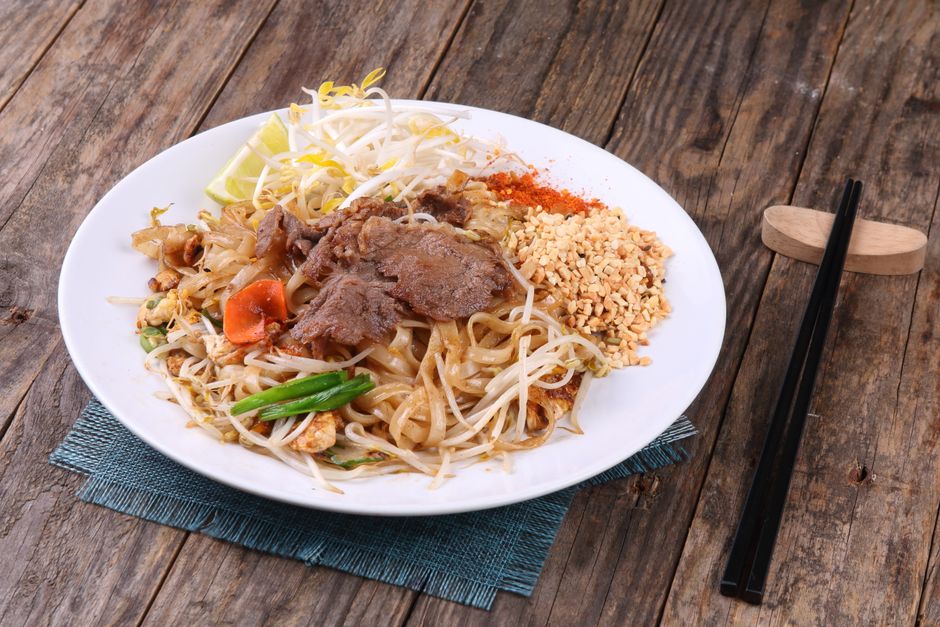
Making pad thai at home is totally doable, and honestly, it's one of the most rewarding dishes to cook. You can have restaurant-quality pad thai on your table in about 30 minutes using simple ingredients you can find at any grocery store. The secret isn't some fancy technique or hard-to-find stuff. It's all about understanding the sauce, prepping everything before you start cooking, and using high heat. Let's walk through exactly how to make it.
Quick aside before we go deeper — most of the picks below cross-check against Yoksod Noodles and Thai.
The Pad Thai Sauce Is Everything
Here's the thing: pad thai lives and dies by its sauce. This isn't a dish where you wing it. You need to mix your sauce components together in a small bowl before your wok even gets hot. That way, everything is ready to go when you need it.
For an authentic pad thai sauce, you'll want:
- 3 tablespoons of fish sauce
- 2 tablespoons of tamarind paste
- 2 tablespoons of palm sugar (or brown sugar if you can't find palm)
- 1 tablespoon of lime juice
- 1 teaspoon of rice vinegar
Mix these together and taste it. It should hit you with salty, sour, sweet, and a little tangy all at once. That's pad thai's backbone right there. If you can't find tamarind paste, you can do a swap with ketchup, brown sugar, fish sauce, oyster sauce, dark soy sauce, and rice vinegar instead. It won't be quite as authentic, but it'll still be delicious.
The reason tamarind matters so much is because it gives pad thai that distinctive tangy depth that you can't replicate with lemon or regular vinegar. Fish sauce brings umami (that savory, meaty flavor), and palm sugar adds sweetness without the harshness of regular white sugar. When you combine all three, you get that perfect balance that makes your taste buds happy.
Related: Traditional Thai Basil Chicken: Recipe & What Makes It Special
Gathering Your Ingredients and Prepping
Before you turn on any heat, grab everything you need. This is called mise en place, and it's the single biggest reason home cooks struggle with wok cooking. If you're scrambling to find your garlic while your noodles are burning, you've already lost.
Here's what you need to prep:
- 4 ounces of medium-sized dried rice noodles per serving (soak them in room temperature water for 1 hour before cooking)
- 2 eggs, beaten
- 8 ounces of chicken, sliced thin (or shrimp, tofu, whatever protein you like)
- 2 cloves of garlic, minced
- 1/4 cup of dried shrimp (this is what makes it taste authentic)
- 1/4 cup of roasted peanuts, crushed
- 2 green onions, cut into 2-inch pieces
- Bean sprouts (a big handful)
- A lime wedge for serving
The dried shrimp is the one ingredient people skip, and then they wonder why their pad thai tastes flat. It's not expensive, and a little bag lasts forever. You can find it at any Asian market or online. Chop it up a bit so it distributes better through the noodles.
The Cooking Method: High Heat Is Your Friend
Get your wok (or a large skillet if you don't have a wok) screaming hot over high heat. This is not a low and slow situation. Pad thai is fast and aggressive. Once your wok is ready, add about 2 tablespoons of neutral oil like vegetable or peanut oil.
Here's the order that matters:
Step 1: Cook the eggs first. Pour in your beaten eggs and swirl them around the wok until they start to set. You want them to coat the sides and bottom. Don't fully scramble them yet. Let them get a little color, then break them into bite-sized pieces and push them to the side of the wok.
Step 2: Add your protein. While those eggs are still cooking, add your chicken or shrimp to the empty space in the wok. Let it get some color and cook through. The eggs and protein will be done around the same time, which is perfect.
Step 3: Add aromatics and shrimp. Toss in your minced garlic and dried shrimp. Stir everything together for about 30 seconds until it smells incredible. This is where your kitchen smells like a real Thai restaurant.
Step 4: Add the noodles. Drain your soaked rice noodles really well (squeeze them out with your hands if you have to), then add them to the wok. Break up any clumps with your spatula or wooden spoon. Toss everything together for about 1 minute.
Related: Best Thai Noodle Restaurant Delivery in Seattle, WA
Step 5: Pour in your sauce. Here's where that pre-mixed sauce in the bowl comes in clutch. Pour it all over the noodles and keep tossing everything. The heat will caramelize the sauce slightly, and the noodles will soak it all up. This takes about 2-3 minutes. Everything should look glossy and smell amazing.
Step 6: Finish with freshness. Turn off the heat. Add your green onions and most of your bean sprouts. Toss everything together. The residual heat will soften the sprouts just slightly while keeping them crispy.
Plating and Serving Your Homemade Pad Thai
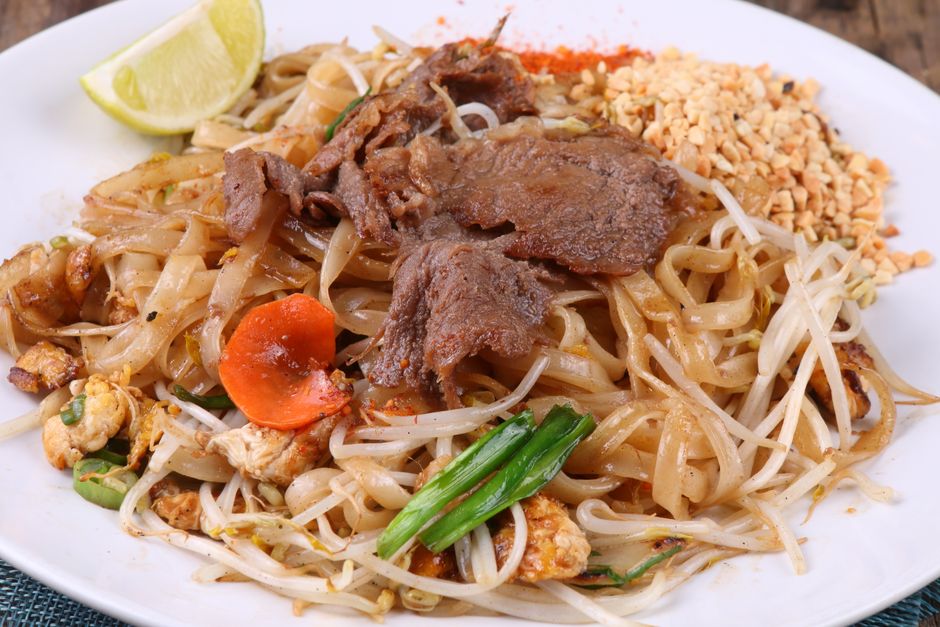
Transfer your pad thai to a plate or bowl. Top with crushed peanuts, a few more fresh bean sprouts, and serve with a lime wedge on the side. Your guests squeeze lime over the top right before eating. This adds brightness and makes everything pop.
The whole thing should take about 30 minutes from start to finish, and most of that is soaking the noodles. The actual cooking part is maybe 10 minutes. You'll get better and faster each time you make it.
If you're ever unsure about your technique or want to taste what properly executed pad thai should be like, Yoksod Noodles and Thai makes an excellent version you can order and study. Watching the experts is always a smart move when you're learning a new dish.
Common Mistakes to Avoid
The biggest mistake people make is not soaking their noodles long enough. You need that full hour in room temperature water, or they won't have the right texture. If you soak them too long (like overnight), they get mushy.
The second mistake is not mixing your sauce before you start cooking. You'll end up adding ingredients one at a time to a hot wok, and they won't combine properly. It won't taste balanced.
Third mistake: not prepping your ingredients ahead of time. If you're chopping garlic while your oil is smoking, you've already messed up the timing. Everything needs to be ready to go.
And don't use low heat. Pad thai needs that high heat to get those slightly charred, caramelized bits that make it taste like restaurant pad thai. Low heat gives you mushy, steamed noodles instead.
Why Fresh Ingredients Matter So Much
This is where home cooking beats the cheap takeout places. When you use fresh lime juice instead of bottled, real tamarind paste instead of a shortcut, and quality fish sauce, your pad thai tastes completely different. It tastes like something worth making at home.
Fresh bean sprouts make a huge difference too. They add that crisp, fresh bite that grounds everything. If your bean sprouts are wilted before you start, your whole dish suffers.
According to Harvard Health, cooking with fresh ingredients and whole foods supports better nutrition and more satisfying meals. When you make pad thai at home, you control exactly what goes in. No weird additives or excessive salt. Just real food.
For the next level, consider stopping by Yoksod Noodles and Thai after you've practiced your home version. Seeing how professionals balance flavors and execute technique will make you an even better home cook. Plus, sometimes you just want someone else to do the work.
Related: Best Thai Flavors Seattle 2026: Top 7 Ranked
Related: Best Authentic Thai in Seattle 2026: Top 6 Ranked
Shopping List and Final Tips
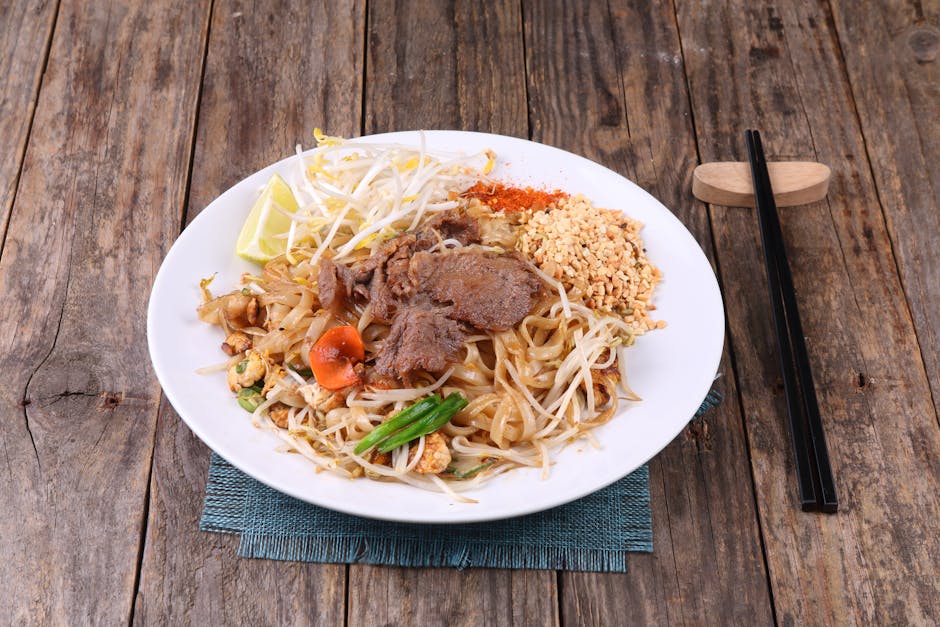
Before you head to the store, here's your simple shopping list:
- Medium-sized dried rice noodles
- Fish sauce
- Tamarind paste
- Palm sugar
- Lime
- Rice vinegar
- Eggs
- Chicken breast (or protein of choice)
- Garlic
- Dried shrimp
- Roasted peanuts
- Green onions
- Fresh bean sprouts
You probably have some of this stuff already. The ingredients that might be new are tamarind paste and dried shrimp, but both last forever in your pantry. Buy them once, and you can make pad thai whenever you want.
One more thing: taste as you cook. If your pad thai tastes too salty, add lime juice. Too sour? Add a pinch more palm sugar. Too bland? More fish sauce. This is how you learn to balance Thai flavors, and it's how you make pad thai that's perfect for your specific taste.
Is tamarind paste necessary for pad thai?
Tamarind paste gives pad thai its distinctive tangy depth and is pretty essential for authentic flavor. If you absolutely can't find it, you can use a combination of ketchup, brown sugar, fish sauce, oyster sauce, dark soy sauce, and rice vinegar. It won't be quite the same, but it'll still taste good. That said, tamarind paste is worth hunting down because one jar lasts for dozens of batches.
Can I make pad thai without a wok?
Yes, a large skillet or even a large saucepan works fine. A wok is ideal because of the shape and high sides, but it's not mandatory. Just make sure whatever you use can handle high heat without warping, and that you have enough room to toss the noodles around without everything spilling out.
How do I store leftover pad thai?
Pad thai is best eaten right after it's made, but leftovers keep in an airtight container in the fridge for about 2 days. When you reheat it, add a splash of water and a little extra fish sauce to bring the flavors back to life. Reheat in a wok or skillet over medium-high heat, tossing frequently, until it's warm through.
What protein works best for pad thai?
Chicken is classic and forgiving, but shrimp, tofu, or even just eggs (no added meat) all work great. You can also mix proteins. The key is slicing or cutting everything into small, uniform pieces so it cooks quickly and evenly at high heat.