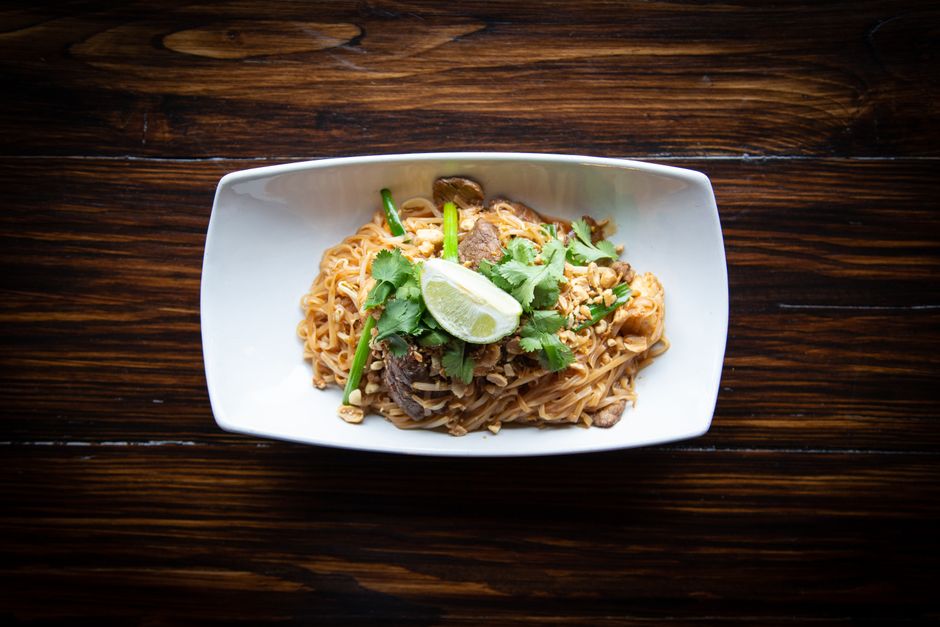
Pad thai noodles are a Thai stir-fry made with thin, flat rice noodles tossed in a sweet-savory-sour sauce, topped with crushed peanuts, scallions, and cilantro. If you've ordered it at a Thai restaurant, you know how addictive that flavor combination is. The good news? You can absolutely make this at home without any fancy equipment or hard-to-find ingredients.
The real secret to great pad thai isn't some obscure technique or expensive ingredient. It's understanding how the flavors work together and getting your timing right in the pan. Let's break it down so you can make it whenever you want.
Related: Pad Thai Rice Noodles: How to Cook It Right
What You Need to Make Pad Thai Noodles
Start by gathering your ingredients. The foundation is thin, flat rice noodles, which you can find at most grocery stores these days. You'll also need:
Related: How to Make Pad Thai at Home: Simple Steps & Tips
Related: Thai Boat Noodle Soup Recipe: How to Make It at Home
- Eggs (for scrambling)
- Napa cabbage and red cabbage (sliced thin)
- Your choice of protein (chicken, shrimp, or tofu all work great)
- Oyster sauce and garlic powder (for marinating the protein)
- Fresh citrus (lime is traditional)
- Crushed peanuts
- Fresh scallions and cilantro for garnish
That's honestly it. No specialty items needed. If you want to take your version even further, Yoksod Noodles and Thai can show you how the professionals layer these exact same ingredients to create that restaurant-quality taste.
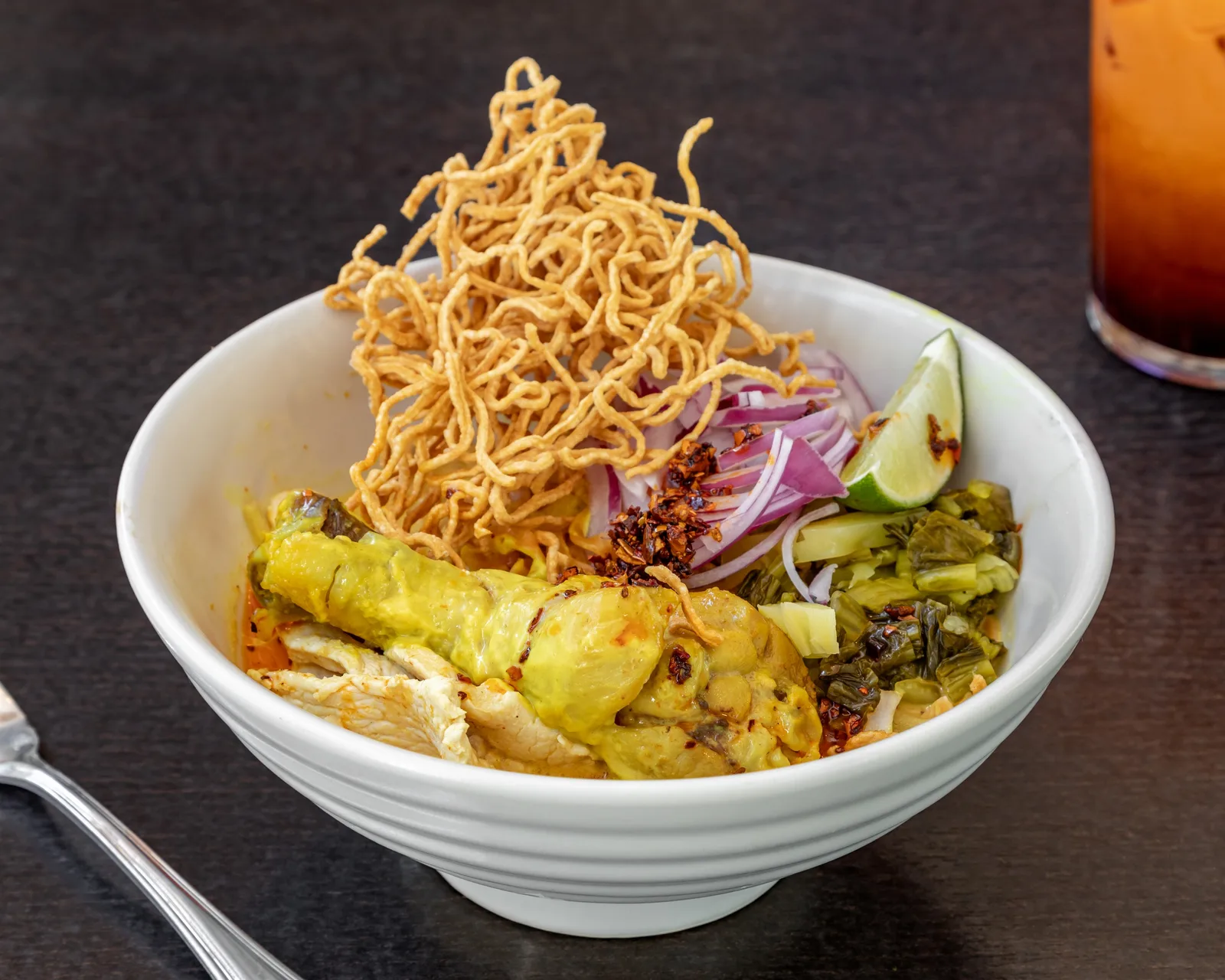
Preparing Your Protein the Right Way
This step matters more than people realize. You want to marinate your protein before it hits the pan so every bite has flavor, not just the outside.
Take your chicken, shrimp, or tofu and coat it lightly with oyster sauce and garlic powder. Let it sit for at least 10-15 minutes. This does two things: it seasons the protein deeply and it keeps it from drying out while you cook.
Cook the protein separately in a hot pan or wok before you add it to the noodles. This prevents overcooking and gives you better control over the texture. You want it cooked through but still tender, not rubbery or mushy.
Cooking Your Pad Thai Noodles
Before you start cooking, soak your rice noodles in room-temperature water for about 5-10 minutes until they're slightly softened but still a little firm. You don't want them mushy. Drain them well.
Heat your wok or large pan over medium-high heat. Once it's hot, scramble your eggs first and set them aside. This might seem like an extra step, but it keeps the egg from overcooking and getting rubbery.
Now add your cooked protein and your softened noodles to the pan. This is where proper noodle preparation pays off, because undercooked or overcooked noodles will ruin the whole dish. You want them to have a slight chew to them.
Toss everything together over the heat. The noodles should move freely in the pan without clumping. If they're sticking, your pan isn't hot enough.
Getting the Sauce Right
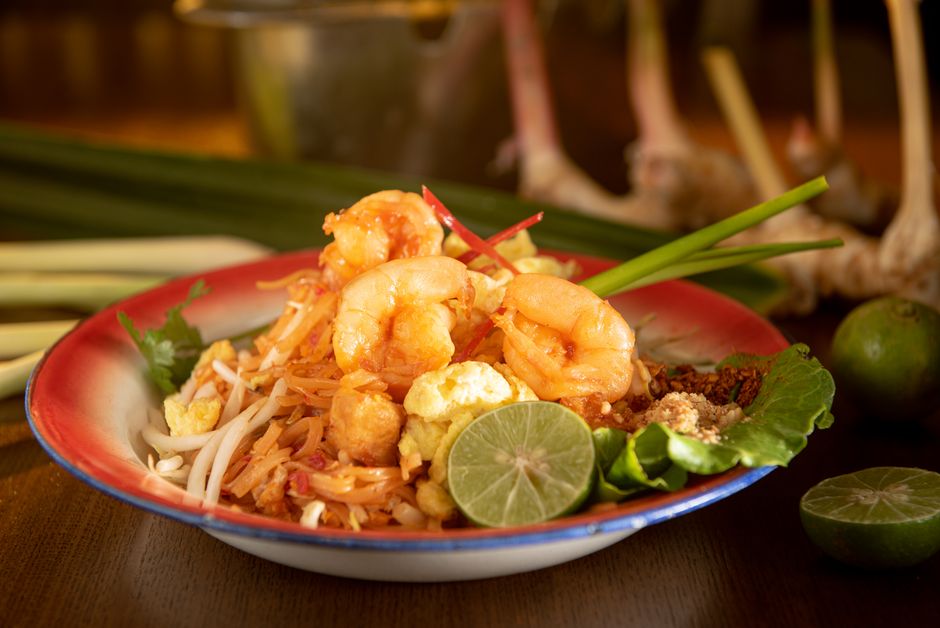
The sauce is where pad thai noodles get their character. You're balancing three flavors: sweet, savory, and sour.
Mix together oyster sauce, fish sauce (a little goes a long way), a touch of sugar, and lime juice. The proportions matter here, so start with equal parts and taste as you go. You want the sourness from the lime to pop, the salt from the fish sauce to carry the other flavors, and just enough sweetness to round everything out.
Pour this sauce over your noodles and protein in the pan. Keep everything moving so the sauce coats evenly. This takes just 2-3 minutes. The heat will slightly reduce the sauce and help it cling to the noodles.
Add your sliced cabbage (both napa and red) right at the end. You want it to soften slightly but still keep a little crunch.
Finishing and Serving Your Pad Thai Noodles
Top generously with crushed peanuts, fresh scallions, and cilantro. Squeeze fresh lime over the whole thing. The citrus is not optional, it's essential to the dish.
This is the moment where your homemade version really comes alive. All those flavors hit at once, and you'll understand why pad thai is such a beloved dish.
If you want to skip the cooking and experience pad thai noodles done by people who have been making them the traditional way, Yoksod Noodles and Thai serves authentic versions you can enjoy right away, whether you're dining in or ordering online.
Hungry?
Order Now →Related: Thai Garden: What to Know About Authentic Thai Dining
Related: Thai Dishes: A Guide to Must-Try Authentic Favorites
Related: Thai Thai Restaurant: What to Expect & How to Find Authentic Thai Food
Related: Thai Noodles: Types, Dishes & Authentic Recipes
Related: Thai Cuisine: A Guide to Authentic Flavors & Dishes
Related: What Is Thai Spice? A Guide to Authentic Flavors
Common Pad Thai Noodles Mistakes to Avoid
The biggest mistake is cooking everything at once in the same pan. Proteins overcook, noodles turn to mush, and eggs scramble unevenly. Cooking each component separately and then combining them gives you way better control.
Another one: using too much sauce. Pad thai should coat the noodles, not sit in a puddle at the bottom of the plate. A little sauce goes a long way, and you can always add more if needed.
Don't skip the citrus at the end. That fresh lime juice is what makes pad thai taste like pad thai, not just noodles with sauce.
Finally, overheating your wok after the noodles go in. Medium-high is plenty. Too high and the noodles stick and burn. Too low and the sauce doesn't stick to them either.
Tips for Making Pad Thai Noodles at Home Regularly

Once you get the hang of it, pad thai becomes a go-to weeknight meal. Here's how to make it easier on yourself:
- Cook your protein in batches and store it in the fridge. You can throw it into pad thai anytime.
- Keep rice noodles, oyster sauce, and fish sauce stocked. These are your foundation.
- Prep your cabbage and scallions ahead of time so you're ready to go when you get hungry.
- Have lime and fresh cilantro on hand. These change everything about the final dish.
Once you've mastered the basics at home, you'll have a much deeper appreciation for why authentic pad thai noodles are so satisfying. You'll also notice the details in every version you try, from what you make yourself to what you order out.
Making Pad Thai Noodles Your Own
The beauty of pad thai is that it's flexible. Don't like one ingredient? Swap it out. Prefer tofu over shrimp? Go for it. Want more spice? Add some chili flakes or fresh hot peppers to the sauce.
The framework is always the same: thin rice noodles, sweet-savory-sour sauce, fresh toppings, and balanced cooking technique. Once you understand that framework, you can adjust it to your taste every single time.
Whether you're cooking at home or looking for someone else to handle dinner, knowing how to make pad thai noodles from scratch gives you real respect for the skill involved. You'll taste the difference quality ingredients and proper technique make in every bite.
Frequently Asked Questions
Can I use regular pasta instead of rice noodles for pad thai noodles?
Not really. Regular pasta has a different texture and absorbs sauce differently. Rice noodles have a slight chew that's essential to what makes pad thai work. They're cheap and easy to find, so it's worth using the right noodle.
How long do cooked pad thai noodles last in the fridge?
You can store it for 3-4 days in an airtight container. Reheat it gently in a pan over medium heat, adding a splash of water if it's dried out. It won't taste exactly like freshly made, but it's still good.
Is fish sauce required for pad thai noodles?
It adds an important savory depth that's hard to replicate any other way. If you absolutely can't use it, a little extra oyster sauce can help, but the flavor profile will be different. A bottle lasts forever since you only use a small amount at a time.
What's the best protein for pad thai noodles?
Shrimp, chicken, and tofu are all traditional. Shrimp cooks fastest, chicken is hearty and budget-friendly, and tofu is great if you're vegetarian. Cook whichever you choose separately for the best results, and marinate it first with oyster sauce and garlic powder.
Hungry?
Order Now →