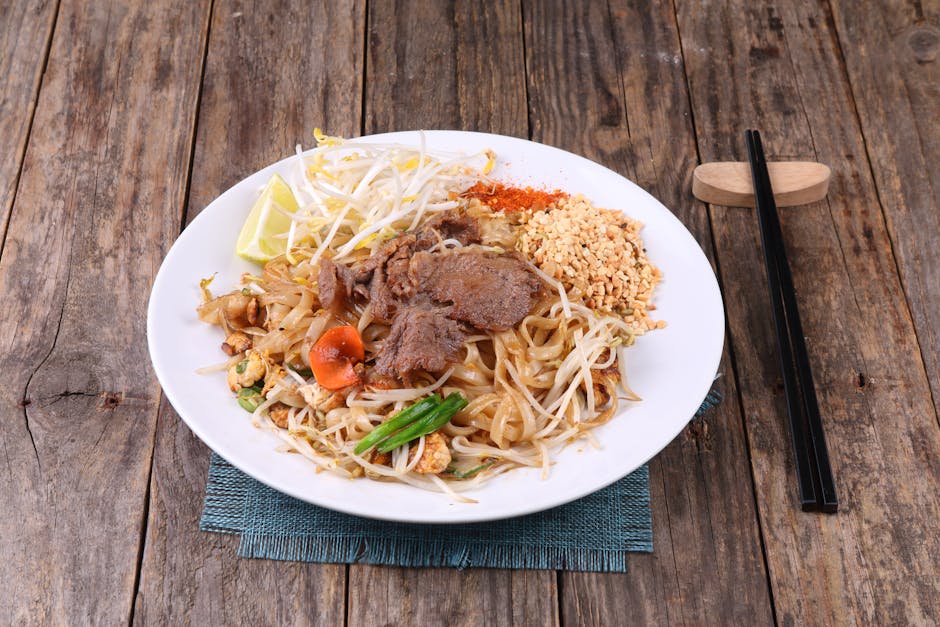
Pad thai is one of those dishes that feels complicated until you actually make it. The truth is, it's a straightforward stir-fry that comes together in minutes once you have your ingredients prepped. The magic isn't in fancy technique or hard-to-find products—it's in balancing a few key flavors and using fresh ingredients. Let's break down how to make pad thai at home that tastes authentic and satisfying.
What You Need for Pad Thai
Before you start cooking, gather your ingredients. This is called mise en place, and it makes the whole process smoother because once you start stir-frying, things move fast.
Related: Pad Thai Noodles: How to Make Authentic Thai Stir-Fry at Home
The noodles: Rice noodles are the foundation of pad thai. You'll want the thin or medium variety, not the wide ones. Here's the important part: soak them in room temperature water for about 1 hour before cooking. This softens them enough to cook quickly in the wok or large pan without turning mushy. Drain them well before they hit the heat.
The flavoring: Two ingredients do most of the heavy lifting here. Tamarind juice gives pad thai its signature tangy-sweet taste, and fish sauce adds depth and umami. You can find both at Asian markets or online. If you're stuck without tamarind, a mix of lime juice and a little brown sugar works in a pinch, though it won't taste quite the same.
The protein: Shrimp, chicken, tofu, or a combination are all classic choices. Cut them into small, bite-sized pieces so they cook evenly and fast.
The egg and vegetables: One or two eggs work great scrambled into the dish. Bean sprouts, garlic, and a small amount of dried shrimp round out the flavor and texture.
The finish: Crushed peanuts, fresh lime, and cilantro are your toppings. These aren't optional—they add brightness and crunch that makes pad thai feel complete.
The Basic Pad Thai Recipe
This recipe makes about 2 servings. Once you get the ratio down, you can scale it up or down easily.
Related: How to Make Thai Pad Thai at Home: Easy Recipe
Related: How to Make Thai Fried Rice at Home: Easy Recipe Guide
Ingredients:
- 8 ounces rice noodles (soaked 1 hour, drained)
- 2 tablespoons tamarind juice
- 2 tablespoons fish sauce
- 1 tablespoon palm sugar or brown sugar
- 2 tablespoons oil
- 3 cloves garlic, minced
- 8 ounces protein (shrimp, chicken, or tofu)
- 2 eggs
- 1 cup bean sprouts
- 2 tablespoons dried shrimp (optional)
- Lime wedges, crushed peanuts, and fresh cilantro for topping
Step 1: Mix your sauce. In a small bowl, combine tamarind juice, fish sauce, and sugar. Stir until the sugar dissolves. This is your sauce, and you'll pour it in toward the end of cooking. The ratio matters—you want sour, salty, and sweet to be in balance. Taste it on a spoon. It should make your mouth water but also feel a little intense (it mellows once it coats the noodles).
Step 2: Heat your pan or wok. Use high heat and a large skillet or wok. You need space for everything to move around. Add oil and let it get hot—you should feel heat rising from the surface.
Step 3: Cook the garlic and protein. Add minced garlic first and stir for about 10 seconds until it smells amazing. Then add your protein (shrimp, chicken, or tofu). If you're using shrimp, cook until they turn pink, about 2-3 minutes. Chicken takes a little longer—about 5-7 minutes. Tofu just needs to heat through.
Step 4: Add the eggs. Push your cooked protein to the side of the pan. Pour in the beaten eggs and let them set for a few seconds, then scramble them into the protein. Don't overcook the eggs—they should still be slightly soft.
Step 5: Add the noodles and sauce. Dump in your drained rice noodles and pour the sauce over them. Using two wooden spoons or a spoon and fork, toss everything together constantly. You're coating each noodle strand with sauce and breaking up any clumps. This step takes about 2-3 minutes. The noodles should be tender and the sauce should cling to them.
Step 6: Finish with toppings. Add bean sprouts and dried shrimp if you're using them. Toss one more time to warm the sprouts slightly—they should still be crunchy. Plate it up and top with crushed peanuts, lime wedges, and cilantro. Squeeze the lime over everything before eating.
Why Technique Matters in Pad Thai
You might be wondering why we're talking so much about cooking method when the ingredients seem simple. The truth is, pad thai relies on proper stir-fry technique to taste right. High heat, quick cooking, and constant tossing make sure each ingredient stays in the right texture. The noodles get tender, the sauce clings properly, and nothing gets mushy or overcooked.
This is also why making pad thai at a restaurant—where they have powerful woks and years of practice—tastes different from what most home cooks can replicate. The equipment and technique matter. That said, your home version can absolutely be delicious if you follow the steps and don't get distracted mid-cook.
Customizing Your Pad Thai

One reason pad thai is so popular is that it adapts to whatever you have or prefer. Vegetarian? Use tofu, skip the fish sauce (or use a vegetarian substitute), and add more vegetables like mushrooms, bell peppers, or broccoli. Want it spicier? Add fresh Thai chilies or a pinch of cayenne. Prefer it sweeter? Add a touch more sugar. The balance of sour, salty, and sweet is what makes pad thai pad thai, so keep those three elements in play even if you swap other things around.
If you're ever in Seattle and want to skip the cooking, Yoksod Noodles and Thai specializes in authentic pad thai made with fresh ingredients and traditional technique. It's a great way to taste what the dish should feel like when someone who knows Thai cooking is handling the wok.
Hungry?
Order Now →
Common Pad Thai Mistakes to Avoid
Soggy noodles: This usually happens because you soaked them too long or cooked them too high for too long. Aim for an hour soak at room temperature, and keep the actual cooking to 2-3 minutes max.
Bland flavor: You skipped tasting the sauce before adding it. Make sure it tastes balanced on its own—sour, salty, and sweet should all be present. If it tastes off, adjust before it goes in the pan.
Clumpy noodles: Constant tossing is your friend. Don't walk away from the pan once the noodles go in. Keep moving them.
Watery pad thai: This usually means too much sauce or the noodles weren't drained well enough. Start with the amounts in the recipe and adjust to taste next time.
Ingredient Shopping Tips
Finding tamarind juice can be your biggest hurdle if you don't have an Asian market nearby. Look for bottles labeled "tamarind paste" or "tamarind concentrate" at Asian grocers. Fish sauce is easier—it's stocked at most supermarkets now in the international aisle. Palm sugar adds an authentic flavor, but brown sugar works fine.
Fresh ingredients make a difference. Use fresh garlic, not jarred. Buy fresh bean sprouts from the produce section rather than canned. If you're using shrimp, get them fresh or good-quality frozen. The better your ingredients, the better your pad thai will taste.
Making Pad Thai for a Crowd

The good news is that this recipe scales up easily. However, don't try to make huge batches in a single pan. Your best bet is to make it in two or three batches rather than overloading the wok, which drops the temperature and ruins the stir-fry. Each batch only takes a few minutes anyway.
If you want authentic pad thai without the effort, Yoksod Noodles and Thai in Seattle offers both dine-in and online ordering, so you can feed a group without spending your evening at the stove.
Is pad thai actually Thai?
Yes and no. Pad thai is authentic Thai food in the sense that it's made with traditional Thai ingredients and technique. However, it's not an ancient dish—it became popular in Thailand in the mid-20th century as a way to use rice noodles and local ingredients. It's now considered a national dish, and you'll find it everywhere in Thailand.
Can I make pad thai ahead of time?
Pad thai is best eaten fresh, but you can prep all your ingredients earlier in the day and store them separately. Keep the sauce covered in the fridge. Once you cook it, eat it within a few hours. Reheating it can make the noodles mushy and throw off the texture.
What's the difference between pad thai and pad see ew?
Pad thai uses rice noodles and tamarind sauce, while pad see ew uses wider rice noodles and soy sauce as the main flavoring. Pad see ew is darker, less sweet, and has a different texture overall. They're both delicious but totally different dishes.
Do I have to use fish sauce?
Fish sauce is pretty central to pad thai's flavor. That said, if you really can't do it, a vegetarian substitute or a tiny pinch of soy sauce mixed with a little salt can work. Just know it won't taste exactly the same. The umami depth that fish sauce brings is hard to replace.
Hungry?
Order Now →