
A Thai garden restaurant is more than just a place to grab dinner. It's a destination where you can experience authentic Thai cuisine made with fresh ingredients and traditional recipes that honor the real flavors of Thailand. Whether you're ordering for takeout or sitting down to dine in, understanding what to expect and how to navigate a Thai garden menu makes your experience so much better.
What Defines a Thai Garden Restaurant
When you walk into a Thai garden dining spot, you're stepping into a space built around authenticity. These restaurants focus on using fresh ingredients and traditional preparation methods that you won't find at generic Asian fusion chains. The name itself often reflects the heritage and garden-to-table philosophy that Thai cooking embodies.
A real Thai garden restaurant serves genuine Thai dishes alongside some thoughtful adaptations for local tastes. They're not trying to be everything to everyone. Instead, they specialize in doing Thai cuisine right, whether that's a properly balanced pad thai, a fragrant curry, or a delicate spring roll.
The Menu You'll Find at Thai Garden Locations
Thai garden restaurants typically offer way more than you might expect. Sure, you'll find the classics like pad thai, green curry, and tom yum soup. But many also serve breakfast options and a full range of authentic dishes that go beyond what most casual diners order.
Related: Casual Thai Dining in Seattle: Where to Find Authentic Flavors
The menu usually breaks down into categories: curries, noodle dishes, rice plates, and appetizers. Each section highlights the balance of sweet, salty, sour, and spicy that defines Thai cooking. When you're ordering, don't skip the vegetable options or the less common dishes. That's where you discover flavors that stick with you.
If you're new to Thai food or want guidance on what to try, Yoksod Noodles and Thai can walk you through their menu and help you find dishes that match your taste preferences.
Why Fresh Ingredients Matter in Thai Cooking
Thai cuisine depends on fresh ingredients in a way that most other cuisines don't. Fresh herbs like basil, cilantro, and mint aren't just garnish. They're core to the dish. Fresh vegetables, quality proteins, and authentic spice pastes all make the difference between Thai food that's just okay and Thai food that's actually incredible.
When a Thai garden restaurant commits to fresh ingredients, you notice it immediately. The curry tastes brighter. The noodles have better texture. The whole meal feels alive on your palate.
This is why ordering directly from a restaurant that prioritizes quality beats grabbing something from a delivery app that's been sitting in a container for 30 minutes. You taste the freshness.
Dine In vs Takeout at Thai Garden Restaurants

Most Thai garden spots offer both dine-in and takeout options. Phone ordering for takeout is usually your fastest bet if you're in a hurry. You call, you order, you pick it up. No apps needed.
Dining in is a different experience. You get the food hot, served on proper plates, and you can ask your server questions about ingredients or heat level. You can also order more strategically if you're sharing dishes with friends, which is how Thai food is meant to be eaten.
Some Thai garden restaurants have varying hours depending on location. Most open Tuesday through the week, though schedules can shift. It's worth checking before you head out.
How to Order Like You Know What You're Doing
First, don't be shy about asking how spicy something is. Thai restaurants build heat into their dishes by default, and you can always ask for adjustments. Mild, medium, and hot are real options.
Second, order family-style if you're with others. Get three or four dishes and share. This lets you try way more flavors and is honestly how you experience Thai food best.
Third, don't skip the rice or noodles. These aren't just filler. They're meant to balance the richness of the curries and sauces. A good Thai meal is about harmony, and the rice or noodles are part of that balance.
When you're ready to experience authentic Thai cooking firsthand, Yoksod Noodles and Thai serves traditional dishes made with quality ingredients and real Thai techniques.
Hungry?
Order Now →Signature Dishes You Should Try
If you're ordering from a Thai garden restaurant, here are some classics that almost always tell you how serious they are about authenticity.
- Pad Thai: Simple but tricky to get right. Look for good balance between salty, sweet, and sour, with chewy rice noodles and fresh herbs.
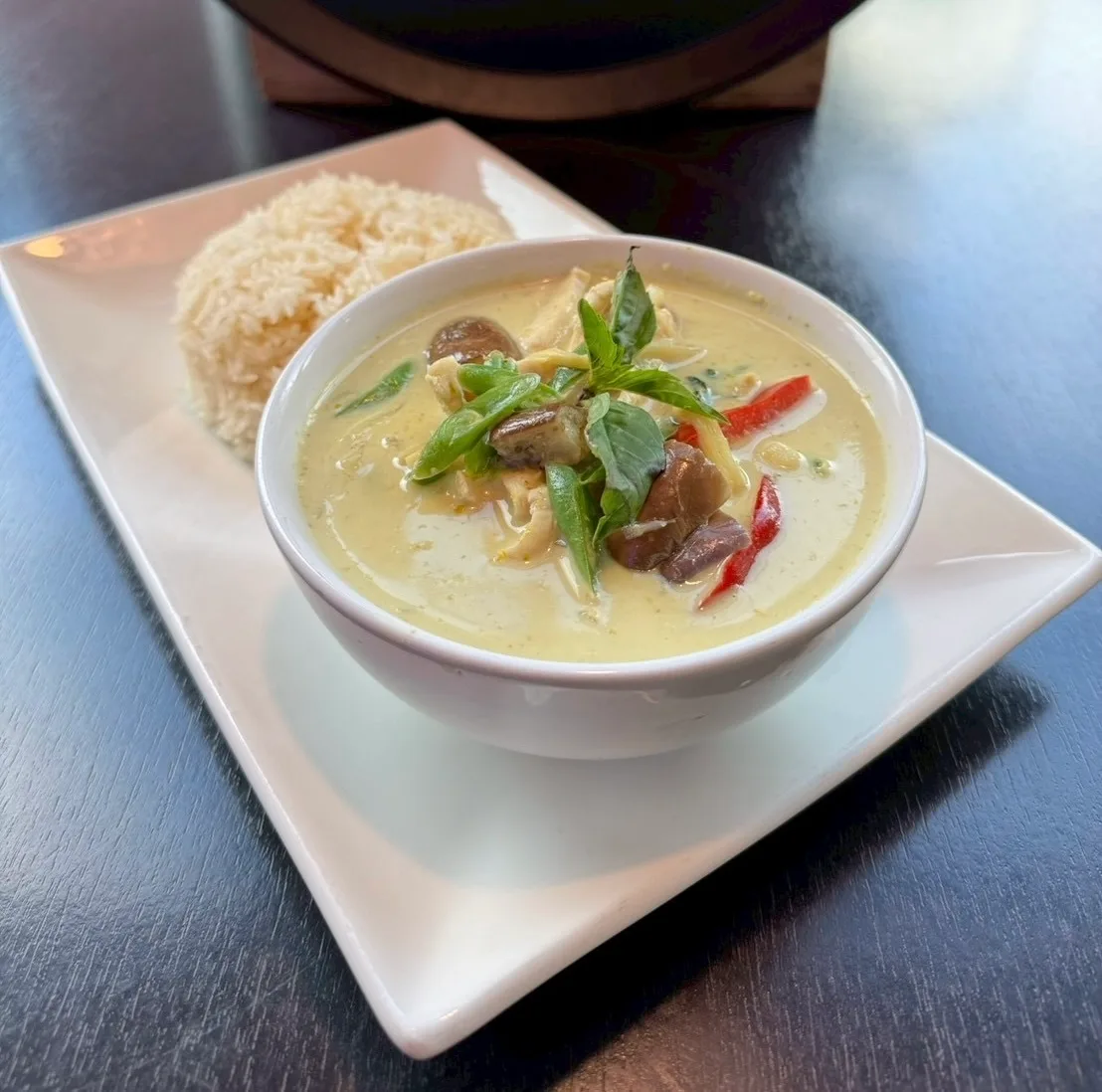
- Green Curry: Should be creamy from coconut milk, with bright heat from green chilies, and aromatic from Thai basil.
- Tom Yum Soup: A clear, spiced broth with lemongrass, galangal, and lime. It should wake up your mouth and feel comforting at the same time.
- Satay: Grilled meat skewers with a rich peanut sauce. Tells you a lot about how much care they put into their sauces.
- Spring Rolls: Crispy on the outside, fresh vegetables inside. Often served with a dipping sauce that adds another layer of flavor.
What to Expect With Portion Sizes

Thai garden restaurants generally give you generous portions. You're not getting tiny hotel-plate servings. These are real meals that often leave you with leftovers, especially if you're ordering multiple dishes to share.
This is good news for your wallet and means you can order a variety and still have something to eat later. Plan accordingly when you're ordering.
Authenticity With a Local Twist
Here's something worth knowing: not all Thai garden restaurants are identical in their approach. Some locations lean more authentic, while others make thoughtful adjustments for regional preferences. Both approaches are valid. The key is that the restaurant respects the source cuisine and isn't just throwing Thai words at Americanized dishes.
If you're looking for authentic Thai cooking in Seattle that respects traditional recipes while serving your community, Yoksod Noodles and Thai delivers genuine Thai flavors made fresh.
Planning Your Thai Garden Visit
Before you order or head out, check the restaurant's hours and confirm they're open. Many Thai garden locations operate Tuesday through the week, so timing matters.
Decide if you want to dine in or do takeout. If you're ordering for takeout, call ahead. If you're dining in, you might not need a reservation for a casual visit, but it doesn't hurt to check.
Think about how many dishes you want to try. Are you going solo or with friends? This shapes your order. Going solo? One noodle or rice dish plus a curry or soup is plenty. With others? Get variety and share.
People Also Ask
What's the difference between a Thai garden restaurant and other Thai restaurants?
A Thai garden restaurant typically emphasizes fresh ingredients, authentic preparation methods, and respect for traditional Thai recipes. They're often built around the idea that quality ingredients and proper technique matter more than cutting corners or chasing trends. Not all Thai restaurants prioritize this, so these spots stand out.
Are Thai garden restaurants good for beginners to Thai food?
Absolutely. Thai garden restaurants are actually ideal for getting your bearings with Thai cuisine. The staff is usually knowledgeable and can guide you toward milder dishes or explain what you're eating. You're getting authentic flavors without feeling lost, which is the perfect introduction.
Related: Thai Dishes: A Guide to Must-Try Authentic Favorites
Related: Thai Cuisine: A Guide to Authentic Flavors & Dishes
Related: What Is Thai Spice? A Guide to Authentic Flavors
Can you order online from a Thai garden restaurant?
Most Thai garden restaurants take phone orders for takeout. Some also have online ordering systems through their own websites. Calling directly is often your most reliable option and lets you ask questions about specific dishes in real time.
What's the best thing to order if I don't know Thai food?
Start with pad thai or a mild curry with chicken or tofu. These dishes introduce you to Thai flavors without overwhelming your palate. Add a spring roll or satay appetizer to round things out. You'll get a good sense of what Thai cooking is about without diving into the deep end too fast.
Hungry?
Order Now →