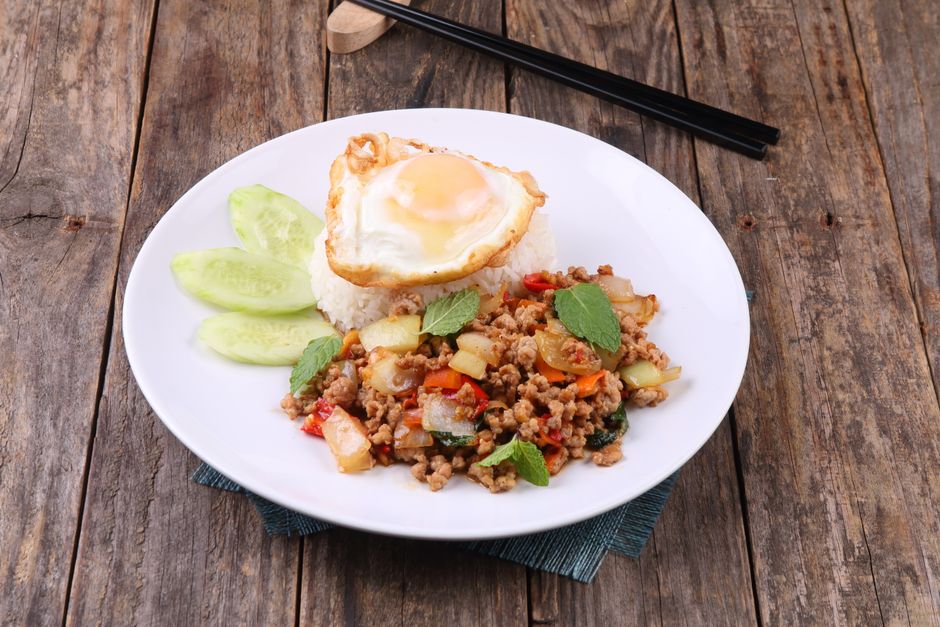
Thai spice is so much more than just chili peppers making your mouth burn. It's a whole philosophy about how flavors work together. Real Thai cooking uses spice as a tool to create balance, depth, and complexity in every dish. When you understand what Thai spice actually is, you'll start appreciating Thai food at a completely different level.
Thai Spice Isn't Just Heat
Here's the thing about Thai spice that surprises most people: it's not primarily about making food painfully hot. Sure, Thai cuisine uses chili peppers generously, but that's only part of the story.
Thai spice is really about layering flavors. You've got heat from chilies, yes, but you're also building with aromatic elements like garlic, galangal, lemongrass, and Thai basil. These ingredients create a complex taste experience that goes way beyond simple spiciness. The spice profile builds slowly, wakes up your palate, and keeps evolving as you eat.
Think of Thai spice as a conversation between different taste sensations. Chili heat dances with citrus brightness. Garlic earthiness meets herbal freshness. That interplay is what makes Thai food so craveable and memorable.
The Key Ingredients Behind Thai Spice
Authentic Thai spice relies on specific ingredients that you won't find in other cuisines. Understanding these helps you recognize and appreciate real Thai cooking.
Fresh chilies are the foundation. Thai cooks use varieties like bird's eye chilies, which pack serious heat but also fruity, complex flavor. The heat level depends on which chilies you use and how many. This is why you can customize spice levels without losing authenticity.
Galangal looks like ginger but tastes completely different. It's peppery, pine-like, and aromatic. You'll find it in curry pastes and soups, contributing a distinctive warmth that you don't get from ginger alone.
Lemongrass brings citrus brightness without acidity. It's floral and grassy at the same time, cutting through rich curry flavors and adding freshness to spicy dishes.
Related: Thai Cuisine: A Guide to Authentic Flavors & Dishes
Related: Thai Som Tam Papaya Salad in Seattle: Guide to Authentic Flavors
Related: What Is Asian Food? A Guide to Authentic Flavors
Thai basil (not the Italian kind) tastes peppery and slightly licorice-like. It's used as both a cooking ingredient and a finishing garnish, adding aromatic spice at the end of cooking.
Garlic and shallots form the aromatic base for most Thai spice blends. These aren't just supporting players. They're essential to building the foundational layer of flavor that the other spices build on.
White pepper shows up in Thai cooking more than black pepper. It has a sharper, more biting quality that complements the other spices beautifully.
When you're ordering from Yoksod Noodles and Thai, you're getting dishes built on exactly these kinds of fresh, quality ingredients that create authentic spice balance.
Hungry?
Order Now →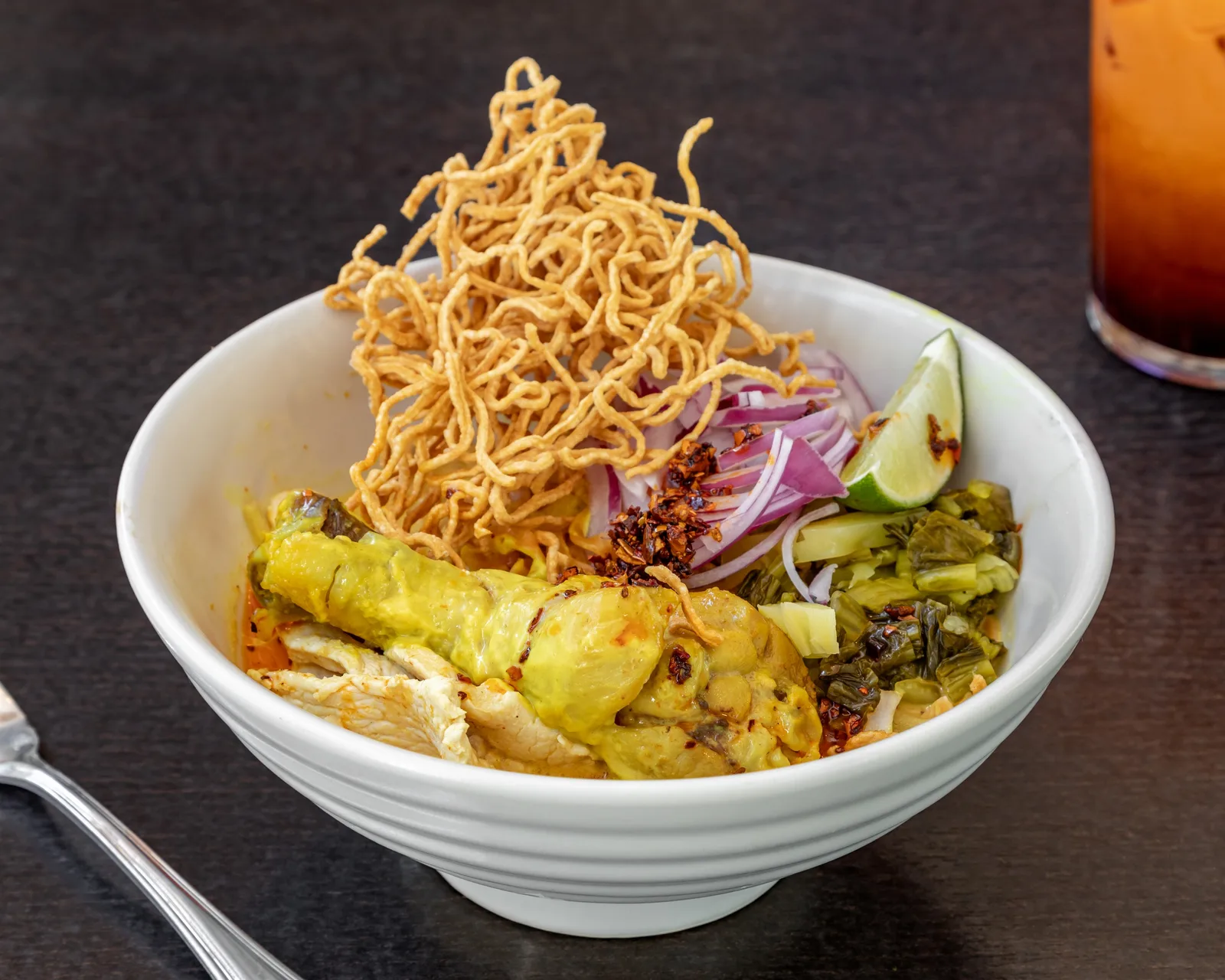
How Thai Spice Works in Different Dishes
Thai spice shows up differently depending on what you're eating. The application matters as much as the ingredients.
In curries, spice comes from curry paste. These pastes are made by grinding fresh chilies, aromatics, and spices into a homogeneous blend. Red, green, and yellow curry pastes each offer different heat levels and flavor profiles. The spice is built into the base, then tempered by coconut milk or broth.
In stir-fries, spice often comes from fresh chilies added during cooking, along with garlic and sometimes a touch of chile paste. This style lets you taste individual elements rather than a blended paste. The heat builds as you eat.
In soups, spice is more delicate. Thai soups use aromatics like lemongrass and galangal to create warmth without overwhelming heat. They're often balanced with coconut milk, lime juice, and fish sauce.
In salads and relishes, spice comes from fresh chilies and lime juice working together. The acidity actually enhances the perception of heat while adding brightness.
The Balance That Makes Thai Spice Special

What separates Thai spice from other cuisines is the commitment to balance. Thai food isn't trying to be the hottest. It's trying to be the most harmonious.
Every spicy dish should also be salty, sour, and sweet in the right proportions. Fish sauce provides saltiness and umami. Lime juice or tamarind adds sourness. Sugar or palm sugar brings sweetness. Chilies and aromatics handle the spice. When all four elements are in balance, the spice doesn't overwhelm you. It enhances everything else.
This is why a properly made Thai curry tastes so much better than just throwing hot peppers into something. The spice has breathing room. It's part of a complete flavor picture instead of a one-note assault on your taste buds.
Fresh vs. Dried Spices in Thai Cooking
Thai cooking heavily favors fresh spices over dried ones. This is a huge difference from many other cuisines.
Fresh chilies, fresh garlic, fresh lemongrass, fresh galangal, and fresh basil are the standard. These ingredients have volatile oils that give Thai food its vibrant, alive quality. When you dry these things, you lose that brightness and complexity.
Some dried spices show up in Thai cooking, like white pepper and occasionally dried chilies, but they're supporting players. The fresh element is what defines the flavor.
This is also why authentic Thai restaurants make such a difference. They're buying fresh ingredients regularly and using them quickly. The spice profile you get from fresh ingredients just can't be replicated with dried versions sitting on a shelf.
Heat Levels and How to Navigate Them
One of the best things about Thai spice is that you can control the heat level without losing authenticity. This isn't dumbing down the food. It's respecting your own palate.
Most Thai dishes can be made mild, medium, or hot. Reducing the number of chilies or removing seeds adjusts heat without removing flavor. You still get the aromatic complexity and balanced taste. You just get less burn.
If you're new to spicy food, start with mild. Let your palate build up. The spices in Thai food are complex enough that even at lower heat levels, you're tasting real depth and sophistication.
If you love heat, you can definitely go hot. But here's the trick: Thai cooks who really know their craft will make hot dishes that still maintain balance. The spice enhances flavor rather than masking it.
Why Homemade Thai Spice Blends Matter

Some restaurants rely on pre-made spice blends or pastes that sit in storage. That's not how authentic Thai cooking works.
Real Thai kitchens make spice blends fresh, often daily. They grind whole spices, use fresh herbs at peak freshness, and adjust recipes based on ingredient quality and what tastes right that day. This approach takes more time and skill, but it's what creates the depth and vibrancy you taste in genuinely good Thai food.
When you're eating at a place that commits to fresh, homemade spices, you can actually taste the difference. The flavors are brighter. The complexity is deeper. The balance feels intentional rather than accidental.
Pairing Thai Spice with Drinks
What you drink with spicy Thai food changes how you experience the spice. This matters more than most people realize.
Cold drinks are your best friend with spicy food. They cool your mouth and provide relief. Water works, but it's not the most interesting choice. Thai iced tea or Thai iced coffee add sweetness and creaminess that balance the heat beautifully.
For alcohol, lightly carbonated or sweet drinks work better than dry ones. The bubbles and sweetness help temper the heat. Many Thai restaurants serve colorful cocktails alongside food specifically because these drinks are designed to complement spice.
If you're ordering from Yoksod Noodles and Thai, their beverage selection is built to work with the spice levels in the food. It's not an accident. It's part of the complete dining experience.
Building Your Own Thai Spice Appreciation
If you want to understand Thai spice better, taste it more intentionally. When you get a spicy Thai dish, slow down and pay attention to what you're tasting.
Notice the initial heat. Then notice what flavors come through beneath it. Can you taste the garlic, the lemongrass, the basil? As your mouth adjusts to the heat, new flavors often emerge. This is the complexity at work.
Try different dishes at different spice levels. Mild green curry vs. hot green curry will show you how heat levels interact with the other ingredients. Thai stir-fries vs. Thai curries will show you how preparation methods change spice expression.
The more you taste, the more you'll develop appreciation for how Thai spice works. You'll start craving that balance and complexity instead of just chasing heat for heat's sake.
Frequently Asked Questions About Thai Spice
Is Thai food always spicy?
Not at all. While Thai cuisine does use spice generously, plenty of Thai dishes are mild or entirely without heat. Coconut soups, certain noodle dishes, and mild curries are all authentically Thai. Most restaurants, including quality Thai spots, will let you control the spice level to match your preference.What's the difference between Thai red and green curry spice?
Red curry is made with red chilies and tends to be hotter and earthier. Green curry uses green chilies and is typically the hottest of the mainstream curries, with a fresher, more herbal quality. Yellow curry uses turmeric and other dried spices, making it milder and slightly sweeter. The spice profiles are distinct, so trying all three gives you a fuller picture of Thai flavor.Can you reduce spice in Thai food after it's cooked?
Partially, yes. Eating it with rice or noodles dilutes the intensity. Drinking something cold helps. Lime juice can actually make spice feel sharper for a moment, then subsides. But honestly, the best approach is to order at the right heat level from the start. Thai chefs know how to build spice into a dish properly, and reducing it afterward changes the balance they worked to create.What makes Thai spice different from Indian or Mexican spice?
Thai spice emphasizes fresh aromatics, citrus brightness, and herbal complexity. Indian cuisine leans more into warm, dried spices like cumin and coriander, with deeper earthiness. Mexican spice tends toward fruity or smoky chile flavors with a different set of aromatics. Each approach creates a distinct experience. Thai spice is its own thing, built on ingredients and techniques specific to Southeast Asian cooking.Hungry?
Order Now →