
Asian food is a massive umbrella covering dozens of regional cuisines, each with its own distinct flavors, cooking methods, and cultural roots. When people say "Asian food," they're usually thinking of Thai, Chinese, Vietnamese, Filipino, and other Southeast Asian cuisines that emphasize fresh ingredients, bold spice, and harmony between sweet, salty, sour, and savory tastes.
But here's the thing: authentic Asian food isn't just about the ingredients. It's about how those ingredients come together, the techniques passed down through generations, and the respect for tradition that makes each dish feel alive.
The Core Elements That Define Asian Food
If you want to understand what Asian food really is, you need to know what makes it tick. Every authentic Asian dish rests on a few key pillars.
Fresh, quality ingredients matter most. Asian cooking isn't about shortcuts or frozen anything-goes. It's about using the best produce, proteins, and aromatics you can find, prepared the way they're meant to be. Fresh herbs like basil, cilantro, and mint aren't garnishes; they're essential players that change the entire flavor profile of a dish.
Balance is everything. Traditional Asian cuisine obsesses over harmony between different flavor elements. A single dish will layer spice, sweetness, saltiness, and acidity so that no single flavor dominates. This is why a bowl of noodles from Yoksod Noodles and Thai tastes so complete, even when it seems simple.
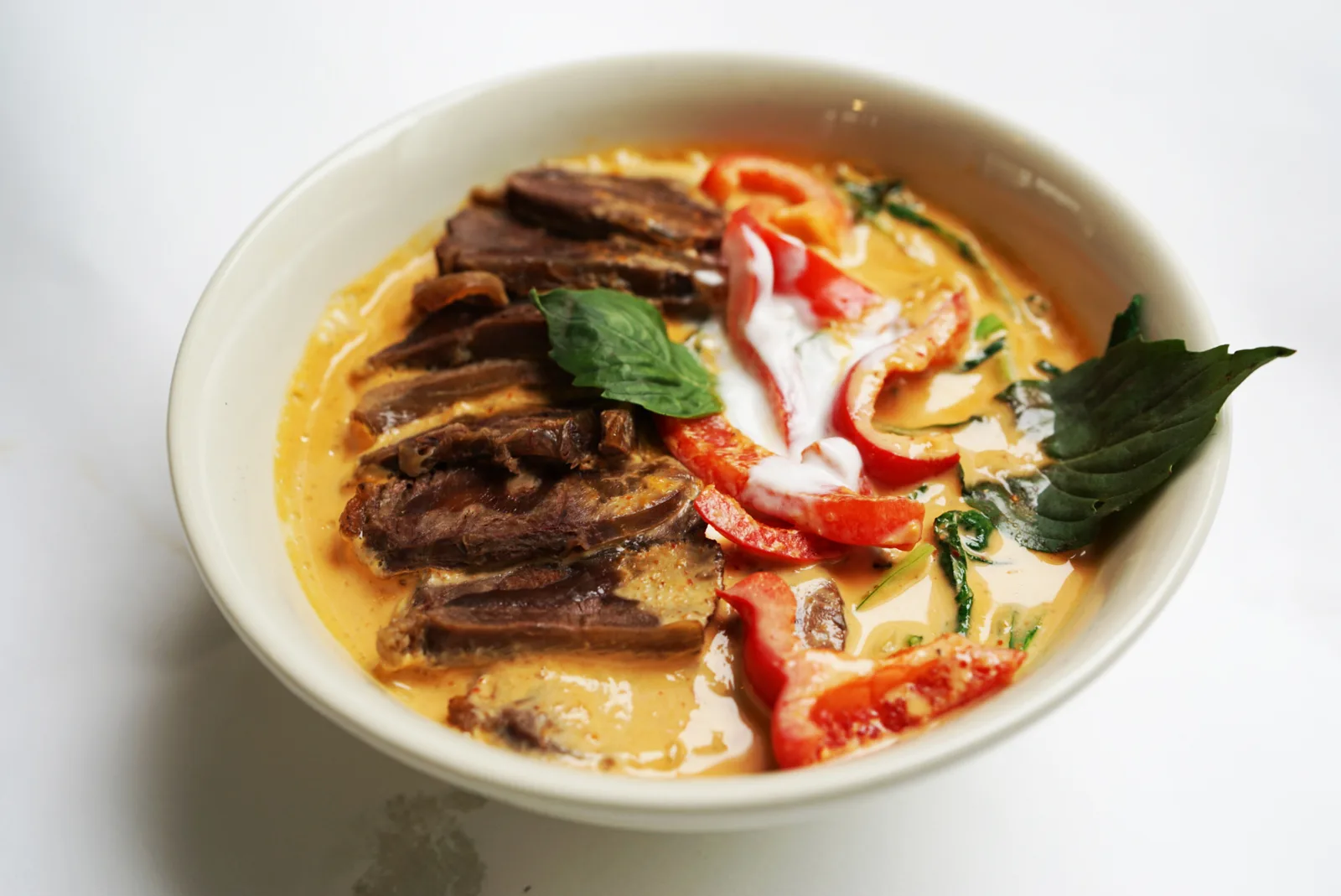
Technique and patience. Asian cooking methods have been refined over centuries. Whether it's the precise heat control needed for a proper stir-fry, the slow-simmering of curry pastes, or the delicate balance of flavors in a broth, these techniques can't be rushed.
Types of Asian Cuisines You Should Know
Asian food isn't monolithic, and lumping everything together does it a disservice. Let's break down what you're actually eating.
Thai cuisine is known for its bold, layered flavors. You'll see lots of coconut milk, lime juice, fish sauce, and chilies working together. Curries, stir-fries, and noodle dishes dominate, and everything leans into that balance between heat, sweetness, and tanginess. Thai food isn't afraid of spice, but it's not spice for spice's sake; there's always a reason.
Chinese cuisine varies wildly by region, from the heavy use of soy and garlic in Cantonese cooking to the numbing heat of Sichuan peppercorns in southwestern dishes. It's one of the oldest culinary traditions and emphasizes wok work, proper seasoning layering, and respect for individual ingredients.
Vietnamese cuisine leans lighter and fresher. You'll see lots of herbs, vegetables, and a heavy hand with fish sauce and lime. Spring rolls, pho, and banh mi sandwiches are the celebrities, but the backbone is always fresh ingredients and bold, clean flavors.
Filipino cuisine shows Spanish, Chinese, and indigenous influences all mixed together. It's comfort food that tends to be savory and often features braised meats, rice, and pickled vegetables.
Street Food and Family Recipe Traditions
A lot of what you know as Asian food actually comes from street food culture. These aren't fancy techniques designed in high-end kitchens; they're meals that have been perfected by home cooks, street vendors, and families over generations.
Pad Thai from a Bangkok street cart tastes different from Pad Thai at a casual neighborhood spot because the vendor has been making it the same way for twenty years. That consistency, that deep knowledge of how to layer flavors and time your cooking, is what separates authentic Asian food from everything else.
Related: Hawkers Asian Street Food: Guide to Authentic Flavors
Related: Thai Cuisine: A Guide to Authentic Flavors & Dishes
Related: Thai Som Tam Papaya Salad in Seattle: Guide to Authentic Flavors
Related: What Is Thai Spice? A Guide to Authentic Flavors
Related: Authentic Thai Larb Salad Recipe: Step-by-Step Guide
Related: Authentic Thai Massaman Curry Seattle: Complete Guide
When you're looking for genuine Asian cuisine, you're essentially looking for someone who understands these traditions deeply enough to execute them properly. That's why restaurants that focus on doing one cuisine really well tend to stand out. They've learned the rules, understood the 'why' behind each technique, and can deliver flavors that actually taste like home to people who grew up eating them.
Why Asian Food Focuses on Wellness and Flavor

Asian cuisine has always balanced indulgence with nutrition in a way that a lot of Western food doesn't. You'll find dishes loaded with vegetables, protein-forward options, and broths that feel nourishing instead of heavy.
That doesn't mean everything is light and healthy, though. Curries made with coconut milk, fried noodles, and rich meat dishes absolutely exist and are celebrated. But the framework of Asian cooking makes it natural to include tons of fresh vegetables, lean proteins, and balanced seasoning without feeling like you're sacrificing flavor.
This is why Asian food appeals to such a wide range of people. If you're watching what you eat, you can build a meal around vegetables and grilled protein. If you want comfort food, you can dig into noodles and curry. The cuisine is flexible enough to work for different needs without compromising on taste.
Finding Authentic Asian Food Near You
The challenge with Asian food today is that quality varies wildly. Some places prioritize speed and volume. Others treat every dish like a craft.
When you're hunting for authentic Asian food, look for restaurants that specialize in one cuisine rather than trying to cover ten countries at once. A place that does Thai food and only Thai food understands the regional variations, knows how to build curry pastes from scratch, and respects the balance that makes Thai flavors work.
Check if they're using fresh herbs and quality ingredients. Real Asian food smells distinctive; if a place smells generic, the food probably is too. You should be able to identify cilantro, basil, ginger, and chilies just walking in.
Ask about their approach. Are they making stock and sauce bases in-house, or are they reaching for shortcuts? Do they have a family recipe or cultural connection to the food they're serving? Places like Yoksod Noodles and Thai take this seriously, emphasizing fresh ingredients and authentic preparation methods that honor Thai traditions.
Hungry?
Order Now →You can also order online from restaurants in your area to test them out without committing to a full dine-in experience. This lets you taste the quality of their fundamentals, whether they're getting the spice balance right, and how they handle dishes that need to travel.
The Difference Between Authentic and Adapted Asian Food
Here's something important: adapted Asian food (food made to appeal to Western palates) isn't bad. It's just different. A lot of adapted Asian dishes taste great and serve a real purpose for people learning to enjoy these cuisines.
But authentic Asian food is what it is for a reason. When a dish is more sour than you expected, or spicier, or savory in ways that feel unfamiliar, that's intentional. It's not a mistake; it's the actual flavor profile that's been refined over decades or centuries.
If you've never had really authentic Thai or Vietnamese food before, it might surprise you. That's not a bad thing. It means you're about to discover why these cuisines have such devoted followings. The first time you taste a properly balanced Thai curry or a real Vietnamese pho, it clicks. You understand why people seek this food out, and why they're willing to seek out the real deal instead of settling for the adapted version.
What makes Asian food different from other cuisines?
Asian food prioritizes balance between flavors (sweet, salty, sour, spicy, savory), uses fresh ingredients and traditional techniques, and often incorporates bold aromatics like garlic, ginger, fish sauce, and fresh herbs. Each regional cuisine has its own philosophy about how flavors should work together, and that intentionality is baked into every dish.
Is all Asian food spicy?
Nope. While spice is important in many Asian cuisines, it's controlled and purposeful, not default. Plenty of Asian dishes are mild. The spice level usually comes from fresh or dried chilies that can be adjusted based on preference. And even when a dish is spicy, the heat is balanced with sweetness, acidity, and richness, so it's not just burning your mouth.
Can I find authentic Asian food if I'm not in a major city?
Yes, but you have to look intentionally. Even smaller towns often have at least one restaurant doing one cuisine really well. Start by checking out local spots that specialize in a single Asian cuisine and reading reviews that mention freshness and authenticity. Don't be afraid to ask the restaurant about their ingredients and cooking methods directly.
How do I know if Asian food is actually authentic?
Authentic Asian food usually has complex, layered flavors that might surprise you the first time. It uses fresh ingredients that you can taste individually but also work together harmoniously. The restaurant often has a cultural connection to the cuisine, the menu isn't trying to cover too many cuisines at once, and staff can explain their dishes and cooking methods. When you taste it, it should feel intentional and balanced, not oversimplified or heavy-handed with any single flavor.
Hungry?
Order Now →