
Thai cuisine is so much more than just pad Thai and curry. It's a complete food tradition built on harmony between sweet, salty, sour, and spicy flavors, with fresh ingredients at its core. When you dive into real Thai food, you're experiencing centuries of culinary heritage that values balance and craftsmanship in every bowl.
Let's break down what actually makes Thai cuisine unique, so you can understand what you're eating and why it tastes the way it does.
The Four Main Categories of Thai Cuisine
Thai food organizes itself into four foundational categories. Knowing these will help you navigate any Thai menu and understand how different dishes fit into the broader tradition.
Related: Thai Noodles: Types, Dishes & Authentic Recipes
Related: Thai Dishes: A Guide to Must-Try Authentic Favorites
Related: What Is Asian Food? A Guide to Authentic Flavors
Related: Thai Som Tam Papaya Salad in Seattle: Guide to Authentic Flavors
Related: What Is Thai Spice? A Guide to Authentic Flavors
Related: Thai Siam Noodle Dishes in Seattle: A Local Guide
Related: Best Thai Noodle Dishes Explained: A Complete Guide
Tom (Soups) is the first category. These are aromatic broths and soups that balance heat, acid, and herbs. Tom yum is probably the most famous one you've heard of, with its signature lemongrass and chili kick.
Yam (Spicy Salads) comes next. These are fresh, vibrant dishes usually made with vegetables, herbs, and a spicy dressing. They're lighter than curries but packed with flavor.
Tam (Pounded Foods) includes dishes where ingredients are crushed together in a mortar. This creates texture and releases flavors in a way chopping alone can't do. Larb is a classic tam dish.
Kaeng (Curries) rounds out the four. Curries in Thai cuisine range from mild to fiery and from wet to paste-like. Red curry and green curry are the most popular types.
When you're ordering at Yoksod Noodles and Thai, these categories help you understand what you're getting and make choices based on how you like to eat.
Hungry?
Order Now →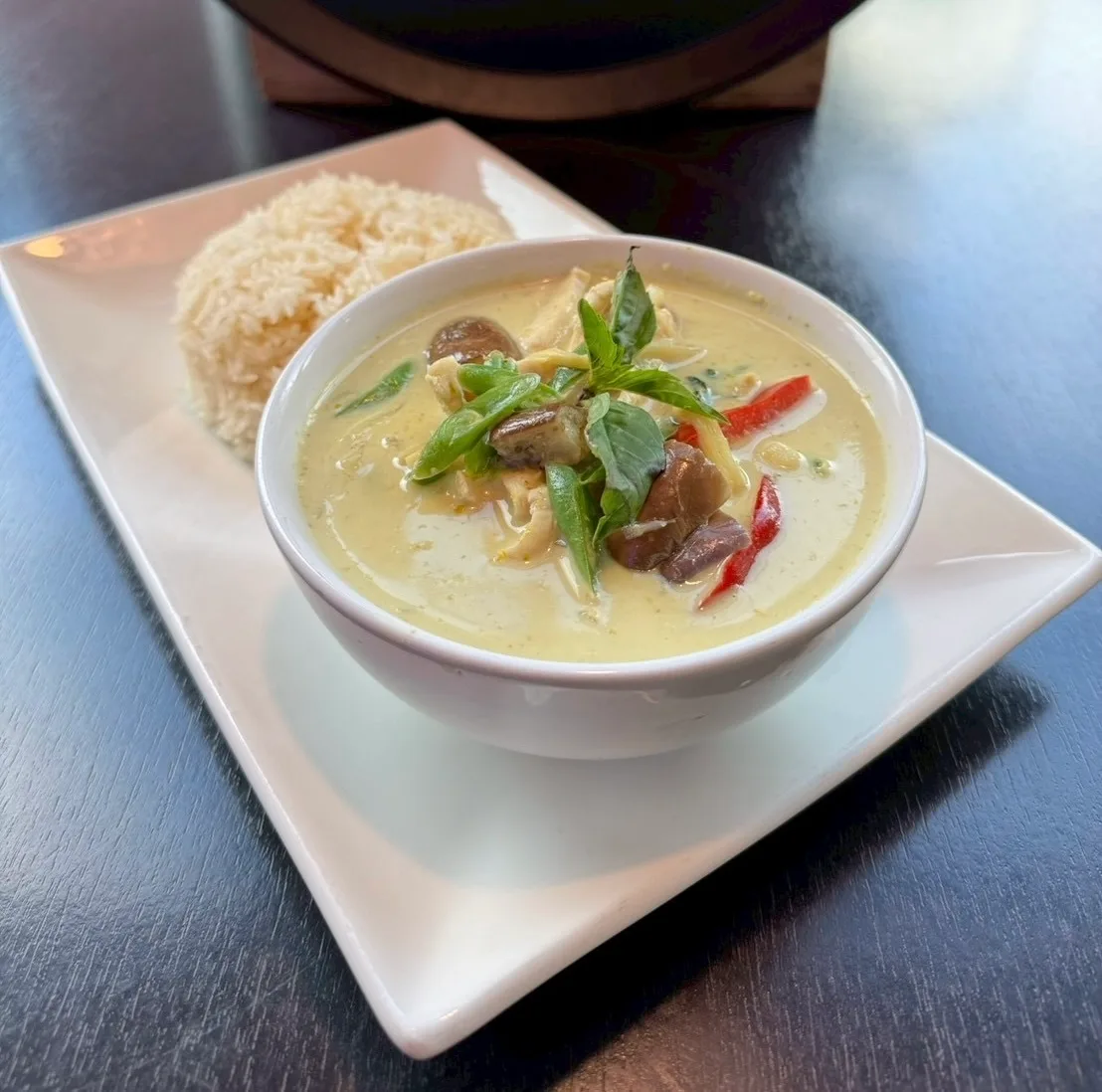
The Flavor Profile That Defines Thai Food
Thai cuisine is rich, savory, and aromatic. But that's just the surface. The real magic is in how Thai cooking balances four main flavors in almost every dish: sweet, salty, sour, and spicy.
You'll taste sweetness from palm sugar or coconut milk. Saltiness comes from fish sauce, which is a staple ingredient in Thai kitchens. Sourness comes from lime juice or tamarind. Heat comes from fresh and dried chilies.
None of these flavors dominates. Instead, they work together. A good Thai dish tastes complex because all four are present, even if you can't immediately identify each one. That's the craftsmanship part.
Fresh ingredients are non-negotiable in Thai cooking. Basil, cilantro, galangal, lemongrass, and garlic aren't just toppings or afterthoughts. They're central to how the food tastes and how it makes you feel when you eat it.
Popular Traditional Thai Dishes You Should Know
Here are the dishes that show up on nearly every Thai menu because they're foundational to the cuisine.
Red Curry is creamy, mildly spicy, and made with red chilies, coconut milk, and aromatic pastes. It's approachable for people new to Thai food but doesn't compromise on flavor.
Green Curry is hotter than red curry and has a more herbaceous taste. It's made with green chilies and basil, so if you like green, fresh flavors, this is your dish.
Pad Thai is the stir-fried noodle dish that introduced millions of people to Thai food. It's sweet, tangy, and comes with a hit of lime and crushed peanuts.
Drunken Noodles (Pad Kee Mao) are stir-fried with fresh basil, chilies, and garlic. The name supposedly comes from the fact that they pair well with beer, but honestly they're just delicious and addictive.
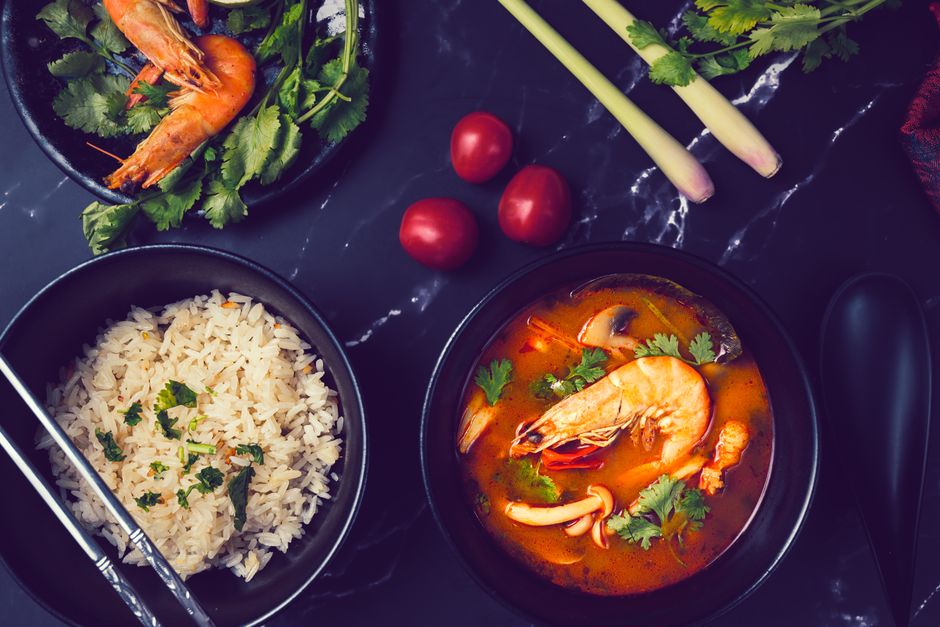
Tom Yum is the hot and sour soup that wakes up your palate. Lemongrass, galangal, lime, and chilies create a broth that's bold and complex.
Basil Chicken is simple but explosive in flavor. Chicken stir-fried with fresh basil, garlic, and chilies. It's comfort food that happens to be Thai.
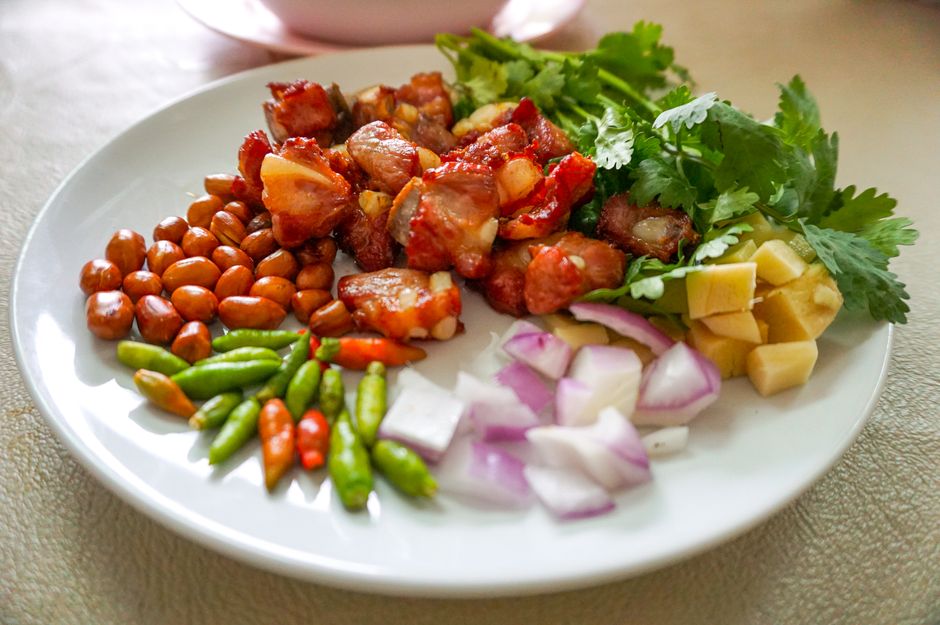
Larb is a minced meat dish (usually pork or chicken) mixed with lime juice, fish sauce, herbs, and toasted rice powder. It's tangy, spicy, and deeply aromatic.
Pad See Ew Noodles are wide rice noodles stir-fried with dark soy sauce, creating a savory, slightly sweet dish that's hearty and satisfying.
Regional Variations in Thai Cuisine
Thailand isn't one food culture. Different regions have their own specialties and flavor preferences.
Northern Thailand brings distinctive authentic Thai flavors that differ from what you might find in Bangkok or coastal areas. Northern Thai food tends to be less spicy than central Thai, with more reliance on herbs and fermented ingredients.
The northeast (Isaan region) is known for sticky rice and very spicy preparations, with heavy use of chilies and herbs.
Southern Thai cuisine incorporates more seafood and has stronger Muslim influences in the spice blends.
Central Thailand, where Bangkok is located, tends to be what most Thai restaurants in the US serve. It's a blend of all the regions and includes the most well-known dishes internationally.
Seafood and Special Preparations in Thai Cooking
Thailand has thousands of miles of coastline, so seafood is central to Thai cuisine.
Spicy basil mix seafood is a preparation where shrimp, squid, or fish gets stir-fried with fresh basil, garlic, and chilies. It's quick, intensely flavorful, and celebrates both the seafood and the herbs.
Curries work beautifully with shrimp or fish because the coconut milk base complements seafood's delicate flavor without overwhelming it.
Soups like tom yum work equally well with seafood or chicken, and the broth carries the aromatics right into the protein.
If you want to explore authentic seafood preparations, Yoksod Noodles and Thai can guide you through what's available and how it's prepared.
How to Order and Explore Thai Cuisine Like a Regular
If Thai food is new to you, start with something approachable like red curry or pad Thai. These aren't watered down, they're just good entry points that don't assume you already love super spicy food.
Ask about heat level. Most Thai restaurants will adjust spice to your preference, and that's not cheating. It's practical.
Try one dish from each category over time. Get a curry, a soup, a salad, and a noodle dish. You'll start to understand how Thai cooking thinks differently than other cuisines.
Pay attention to the herbs. Basil, cilantro, and mint aren't garnishes in Thai food, they're essential. If you find yourself loving the herb-forward flavors, explore more dishes built around them.
Order family style if you can, so you taste multiple dishes and see how they complement each other. That's how Thai people eat.
The best way to learn what you like is to actually eat Thai food consistently and explore with someone who knows it well. When you're ready to dig deeper into authentic Thai cuisine, that's where places like Yoksod Noodles and Thai come in. You get the real thing, made with proper ingredients and technique, whether you dine in or order online.
Frequently Asked Questions About Thai Cuisine
What makes Thai food different from other Asian cuisines?
Thai cuisine emphasizes the balance of four flavors (sweet, salty, sour, spicy) in almost every dish, and relies heavily on fresh herbs and aromatics like basil, lemongrass, and cilantro. It also uses fish sauce as a foundational ingredient, which is less common in Chinese or Vietnamese cooking. The flavor profile is distinctly brighter and more aromatic than many neighboring cuisines.
Is all Thai food really spicy?
No. Thai cuisine has spicy dishes, but plenty of dishes are mild or moderate in heat. Red curry, pad Thai, and basil chicken can all be made to your preferred spice level. Many traditional Thai dishes rely on other flavors like sweetness and sourness to shine, and the heat is just one component. You get to choose your adventure.
What's the difference between red curry and green curry?
Red curry is made with red chilies and is typically milder and creamier because of coconut milk. Green curry uses green chilies and fresh basil, making it hotter, more herbaceous, and slightly more intense. Green curry often has a fresher, brighter flavor while red curry feels richer and more mellow. Both are delicious, it just depends on your mood.
Can I find authentic Thai cuisine outside of Thailand?
Yes, if you know what to look for. Authentic Thai restaurants focus on fresh ingredients, proper technique, and traditional flavor balance rather than simplifying for mass appeal. They use real fish sauce, fresh herbs, and take time with their preparations. Supporting local Thai restaurants, especially family-owned ones, is how you find the real thing in your community.
Hungry?
Order Now →