Thai dishes are some of the most exciting flavors you can experience. Whether you're craving a spicy curry, a savory noodle dish, or something fresh and herbaceous, Thai cuisine has it all. The beauty of Thai food is how it balances heat, sweet, salty, and sour in every bite. If you're new to Thai dishes or looking to expand beyond pad thai, this guide will walk you through what you should actually order and why.
What Makes Thai Dishes Special
Thai dishes stand out because they're built on balance. Every component matters: the quality of your ingredients, the freshness of your herbs, and the way flavors work together. You'll notice fresh basil, lime juice, fish sauce, and chilies showing up constantly. That's not an accident. These aren't just toppings—they're the foundation of authentic Thai cooking.
Related: What Is Thai Spice? A Guide to Authentic Flavors
Related: Thai Som Tam Papaya Salad in Seattle: Guide to Authentic Flavors
When you're exploring Thai dishes, you're experiencing centuries of culinary tradition. The techniques are simple, but the results are complex and deeply satisfying. Fresh is non-negotiable. Frozen ingredients just don't work the same way.
Related: Thai Cuisine: A Guide to Authentic Flavors & Dishes
Essential Stir-Fry Thai Dishes to Order
Stir-fries are where a lot of people start with Thai dishes, and for good reason. They're quick, flavorful, and showcase individual ingredients beautifully.
Pad Thai is the obvious choice, and honestly, it deserves its reputation. It's a stir-fried noodle dish with a perfect balance of tamarind tang, a little sweetness, and savory depth. Lime, peanuts, and fresh bean sprouts finish it off. Order it at least once so you know what you're looking for when you try other restaurants.
Pad See Ew is darker and richer than pad thai. It uses wide rice noodles and soy sauce instead of tamarind, giving it a more savory profile. If you want something less acidic, this is your move.
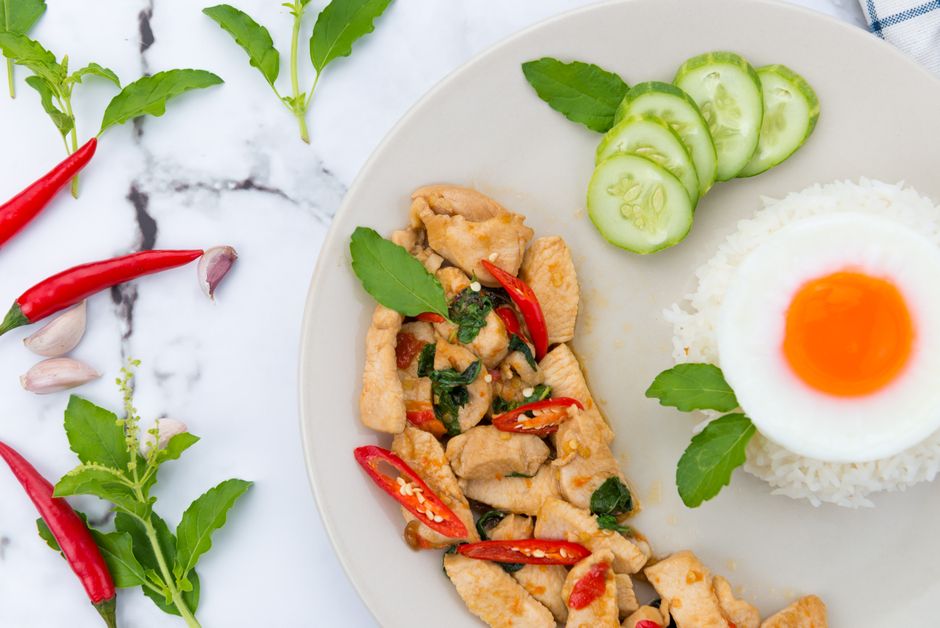
Pad Gaprao (Thai Basil Stir-Fry) is where things get interesting. This is holy basil stir-fried with your protein of choice—often ground pork or chicken. The basil is spicy and aromatic in a way that's completely different from Italian basil. One bite and you'll understand why locals obsess over this dish.
Thai Chilli Basil Stir Fry takes that concept further by leaning harder into the heat and herbaceous qualities. If you can handle spice and want something authentic, this one's for you.
Don't sleep on simpler options either. Chicken Cashew Nuts stir-fry is elegant, satisfying, and shows you how Thai cooking treats protein. The cashews add texture and richness that makes this dish feel special.
Curry Thai Dishes for Serious Flavor
Curries are where Thai dishes really showcase their depth. The spice level varies, but every curry has a different personality.
Thai Red Curry (Gaeng Phed) is probably the most famous. It's creamy from coconut milk, aromatic from curry paste and spices, and it builds heat over time. Each spoonful is different—sometimes you hit more chili, sometimes more herb.
Green Curry (Kaeng Khiao Waan) is actually spicier than red curry, despite sounding lighter. It's fresher and more herbaceous, with green chilies giving it a sharper edge. If you like things hot and bright, order this.
Massaman Curry is the mild option, but don't let that fool you. It's rich and complex, with peanuts, potatoes, and warm spices like cinnamon. It's the curry for when you want comfort without burning your mouth off.
Gaeng Tai Pla is a wildcard—it's a sour fish soup curry that's not for everyone. If you're adventurous and want to taste something genuinely different from mainstream Thai dishes, this is your challenge. It's funky, spicy, and unforgettable.
Noodle & Rice Thai Dishes You Need to Know
Beyond pad thai, there's a whole world of noodle and rice dishes worth exploring.
Kuay Tiew Tom Yum is a noodle soup served in tom yum broth—that's the classic Thai hot and sour flavor profile. It's comforting and aromatic, with noodles soaking up all that incredible broth.
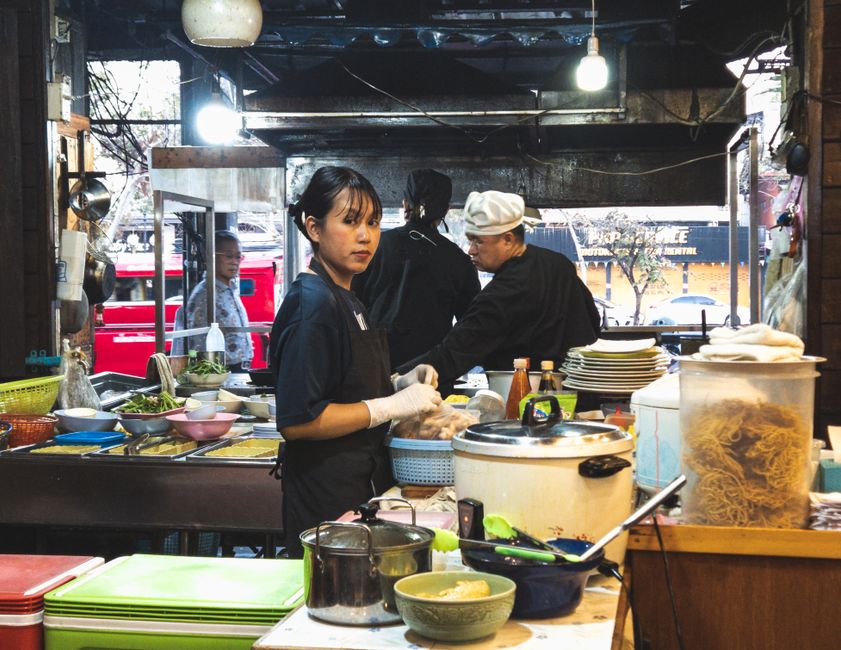
Boat Noodles (Guay Tiew Reua) is a street food staple that you should experience at least once. It's a small, concentrated bowl of noodle soup with intense flavors and a mix of proteins. It's the kind of dish that looks humble but hits hard.
For rice lovers, Khao Pad (Thai Fried Rice) comes in tons of variations. Khao Phad Poo (Crab Fried Rice) is especially good—the crab adds sweetness and richness that plain fried rice can't touch. Jasmine rice is the standard, and it should be fluffy, not clumpy.
If you want to dive deeper into authentic Thai dishes and see how they're made, Yoksod Noodles and Thai offers the real deal with fresh ingredients and traditional preparation methods.
Hungry?
Order Now →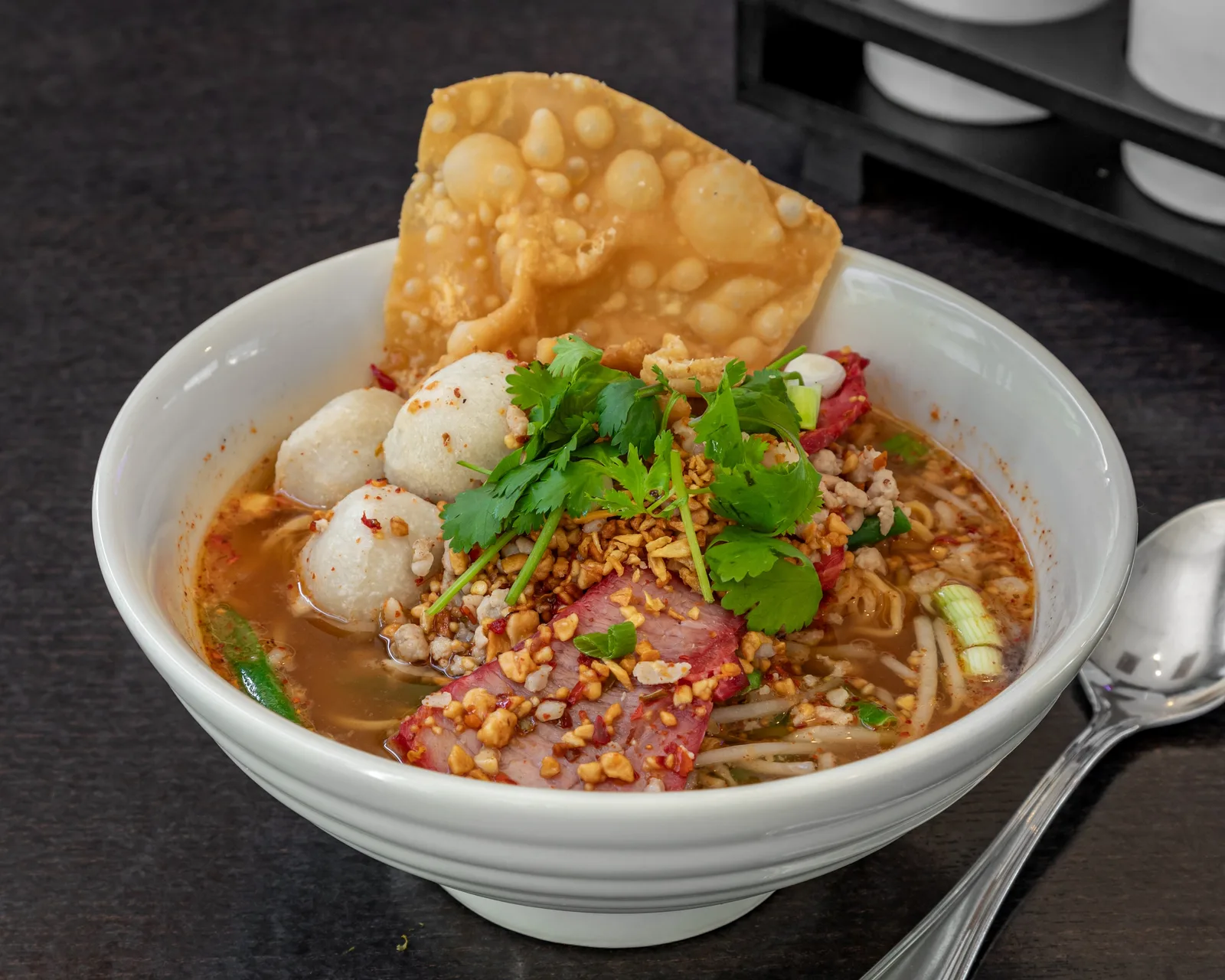
Appetizers and Sides That Matter
These aren't just warm-up acts. In Thai cuisine, appetizers and sides are serious dishes.
Spring Rolls are a classic starter. Fresh rolls with vegetables and herbs are lighter and brighter than fried versions, but both have their place.
Som Tam (Green Papaya Salad) is one of those dishes that changes how you think about salad. It's spicy, salty, sour, and slightly sweet all at once. The green papaya has this unique texture—crisp but tender—that you can't replicate with anything else.
Moo Ping (Grilled Pork Skewers) are sticky-sweet and charred in all the right ways. They're the kind of simple dish that's hard to master, which is exactly why they matter.
Pak Leang (Greens with Scrambled Egg and Crispy Dried Shrimp) sounds weird until you try it. The dried shrimp adds this umami punch that makes the whole dish sing. It's a side dish that can steal the show.
Phad Phak Boong (Water Spinach Stir-Fry) is another vegetable dish that shows Thai cooks' respect for simple ingredients. Water spinach has a slightly bitter edge that works beautifully with garlic and a little heat.
Finishing Strong: Desserts and Sweets
Thai dishes extend to dessert, and this is where things get interesting if you're not used to Thai sweets.
Kanom Krok (Coconut Pancakes or Pudding Cups) are small, crispy on the outside, creamy on the inside, and usually topped with sweet corn and coconut. They're sweet but balanced—not cloying.
Many Thai restaurants also serve sticky rice with mango or other fresh fruit. If you get the chance, order it. It's the perfect cool-down after spicy Thai dishes.
How to Order Thai Dishes Like a Pro

When you're ordering, be specific about heat level. Thai restaurants often have a scale—ask if you can adjust spice to your preference. "Thai hot" is usually legitimate heat, so don't order it unless you mean it.
Order multiple dishes to share if you can. Thai meals are meant to be communal experiences where you taste everything on the table. One person might get curry, another gets noodles, and you all share and trade bites.
Ask questions. A good Thai restaurant wants you to have the right experience. Tell them if you like things bright and fresh or rich and creamy. They'll steer you right.
When you're ready to experience Thai dishes prepared with authentic techniques and fresh ingredients, Yoksod Noodles and Thai brings traditional flavors to Seattle with both dine-in and online ordering options.
Building Your Thai Dishes Rotation
Start with one or two favorites and rotate in new dishes each time you order. This lets you build knowledge without overwhelming yourself. After a few visits, you'll know exactly which Thai dishes work for your taste and which ones aren't for you.
Pay attention to the ingredients. Notice which herbs show up in everything. Taste the difference between dishes that use similar proteins but different preparation methods. This is how you stop just eating Thai food and start actually understanding it.
Thai dishes are built on principles you can learn. Once you do, you'll appreciate every plate more, and you'll know exactly what to order next time.
What's the difference between Thai red and green curry?
Green curry is spicier and fresher, made with green chilies and herbs. Red curry is milder, creamier, and richer. Both are delicious—it comes down to whether you want sharp heat or mellow warmth.
Is pad thai the best Thai dish to order?
Pad thai is excellent and a good entry point, but it's not the only dish worth ordering. Try pad see ew, pad gaprao, or a good curry for a broader experience. Each Thai dish teaches you something different about the cuisine.
How spicy are authentic Thai dishes really?
It depends on the dish and how it's prepared. Some are mild, others are intense. Always ask your server about heat level and be honest about your tolerance. There's no shame in ordering mild if that's what you want.
Can I get vegetarian Thai dishes?
Absolutely. Som tam, pad gaprao with tofu, vegetable curries, and spring rolls all work beautifully vegetarian. Thai cuisine has tons of plant-based options if you ask.
Hungry?
Order Now →