
Thai noodles are way more than just Pad Thai. If you're curious about what makes Thai noodle dishes so special, you're in for a treat. The real magic happens when you understand the different noodle types, the flavor profiles that define each dish, and how they all come together on your plate.
Let's break down what you need to know about Thai noodles so you can explore beyond the usual suspects and appreciate the craft behind every bowl.
What Are Thai Noodles?
Thai noodles aren't just one thing. They're a collection of dishes, each with its own noodle type, cooking method, and flavor story. The noodles themselves range from thin and delicate to thick and chewy, and each one pairs with specific ingredients and sauces.
The key difference between Thai noodles and other Asian noodle dishes is the flavor balance. Thai cuisine nails the harmony of sweet, sour, salty, and spicy all in one bite. That balance is what makes a bowl of Thai noodles feel so complete.
Related: Best Thai Noodle Dishes Explained: A Complete Guide
Popular Thai Noodle Types You Should Know
Understanding the noodle types is your entry point to authentic Thai cooking. Here's what you'll run into:
- Rice noodles: Thin, delicate, and versatile. These are the foundation of many stir-fried dishes and soups. They absorb flavors quickly and have a slightly chewy texture.
- Glass noodles (Woon Sen): Made from mung bean starch, these are translucent and have a slippery texture. They're lighter than rice noodles and popular in soups and stir-fries.
- Egg noodles: Thicker and chewier than rice noodles, these show up in dishes like Pad See Ew. They hold sauces well and give a more substantial mouthfeel.
- Wide rice noodles: Flat and slightly thicker than standard rice noodles, perfect for soaking up bold, dark sauces.
Must-Try Thai Noodle Dishes Beyond Pad Thai
Pad Thai gets all the attention, but there's a whole world of Thai noodle dishes waiting for you. Here are the ones you absolutely need to try:
Pad See Ew
This is one of the most popular stir-fried Thai noodle dishes, and for good reason. Pad See Ew features thick, chewy egg noodles tossed with chicken, Chinese broccoli, garlic, and dark soy sauce. The sauce creates this savory, almost caramelized flavor that's totally different from Pad Thai.
The beauty of Pad See Ew is how the dark soy sauce coats every noodle. You get bold, deep flavors that feel hearty and satisfying. If you're tired of sweet noodle dishes, this one's for you.
Pad Woon Sen (Glass Noodle Stir-Fry)
Glass noodles might look delicate, but they pack serious flavor when prepared right. Pad Woon Sen combines these translucent noodles with shrimp, chicken, vegetables, and a savory-spicy sauce. The glass noodles absorb every bit of seasoning, making this dish incredibly flavorful.
This is also naturally lighter than other noodle dishes, so if you want something satisfying but not heavy, glass noodle stir-fry is your go-to. It's exactly the kind of authentic Thai preparation that shows how simple ingredients can create complex flavors.
Boat Noodles
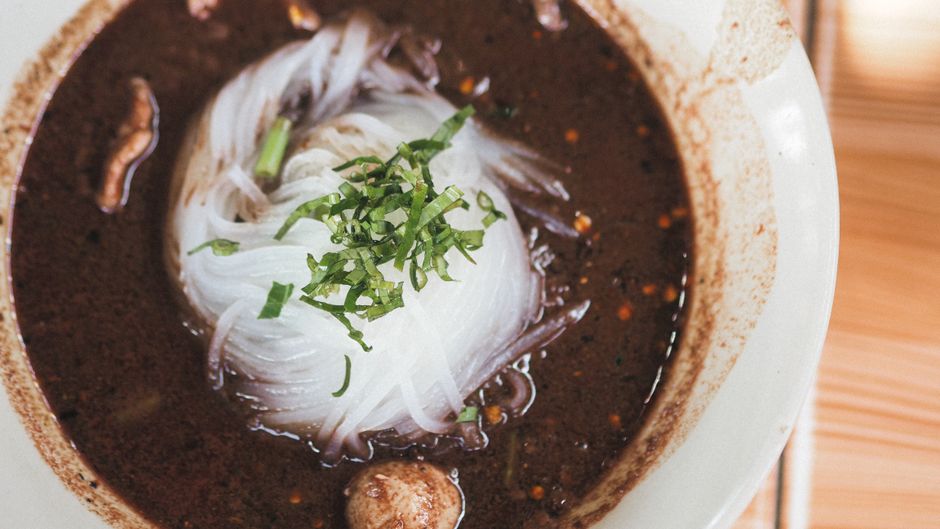
Boat noodles have cultural significance in Thailand that most tourists never discover. These are traditionally served in small boats (hence the name) and feature thin rice noodles in a rich, aromatic broth. The broth is usually made with pork, beef, or seafood and seasoned with star anise, cinnamon, and other warming spices.
What makes boat noodles special is how Thais eat them regularly, not just for tourists. The broth is complex, built over time, and the noodles are delicate enough to let those spices shine through. It's comfort food with soul.
Rad Na
Rad Na is a dish you might not have heard of, but it's worth seeking out. Crispy egg noodles are topped with a savory gravy made from broth, soy sauce, and cornstarch, plus your choice of protein. The contrast between the crispy noodles underneath and the silky gravy on top creates an amazing texture experience.
How to Cook Thai Noodles at Home

The good news: you don't need a restaurant kitchen to make authentic Thai noodles. Here's how to approach it.
Start with Quality Ingredients
This is non-negotiable. Fresh ingredients make the biggest difference in Thai cooking. Look for fresh garlic, fresh Thai chilies, lime, and quality soy sauce. If you're using protein, choose fresh meat or seafood. The fresher your ingredients, the closer you'll get to restaurant quality.
Prep Everything Before You Cook
Thai cooking is fast. Once you start, you're moving quickly. Chop your garlic, slice your vegetables, cook your protein, and have your sauce ingredients measured out. This is called mise en place, and it's the difference between a smooth cooking process and a stressful one.
Master the Balance of Flavors
Every Thai noodle dish balances four flavors: sweet (from sugar or tamarind), sour (from lime or vinegar), salty (from soy sauce or fish sauce), and spicy (from chilies). Start with less of each seasoning and add gradually. You can always add more, but you can't take it back.
Use High Heat and Keep Moving
Thai stir-frying requires hot heat and constant movement. Don't let anything sit in the pan. Keep your ingredients moving so they cook evenly and don't stick. This is also what prevents overcooking your noodles and vegetables.
Noodle Cooking Tips
Fresh noodles cook in seconds. Dried noodles need to be softened first (usually by soaking or brief boiling). Don't overcook them. Your noodles should have a slight chew, not fall apart. Many home cooks add the noodles at the very end, just to coat them in the sauce and warm them through.
The Instant Pot Approach for Weeknights
If you're short on time, an Instant Pot can be your ally. You can make a one-pot Pad Thai in under 30 minutes that rivals take-out quality. Cook your noodles, sauté your aromatics, add your protein, then finish with your sauce. The sealed environment keeps flavors concentrated and speeds up cooking time.
The best part: you control the ingredients. Want it vegan? Skip the fish sauce or use a plant-based substitute. Want less sodium? Adjust the soy sauce. This level of customization is one of the real advantages of cooking at home.
Thai Noodle Customization and Flexibility
Here's something cool about Thai cuisine that most people don't realize: it's built for customization. You can vary your noodle type, swap proteins, change vegetables, and adjust spice levels without losing authenticity. The framework stays the same, but your meal can be totally unique.
Want glass noodles instead of rice noodles in your stir-fry? Go for it. Prefer shrimp over chicken? Perfect. Can't handle spice? Ask for less chili. Thai cooking respects these kinds of adjustments because the fundamentals (balance of flavors, fresh ingredients, proper technique) remain solid no matter what.
If you're looking to experience authentic Thai noodle dishes prepared with this kind of care and flexibility, Yoksod Noodles and Thai focuses on exactly this approach. Their menu respects traditional recipes while letting you customize based on your preferences.
Hungry?
Order Now →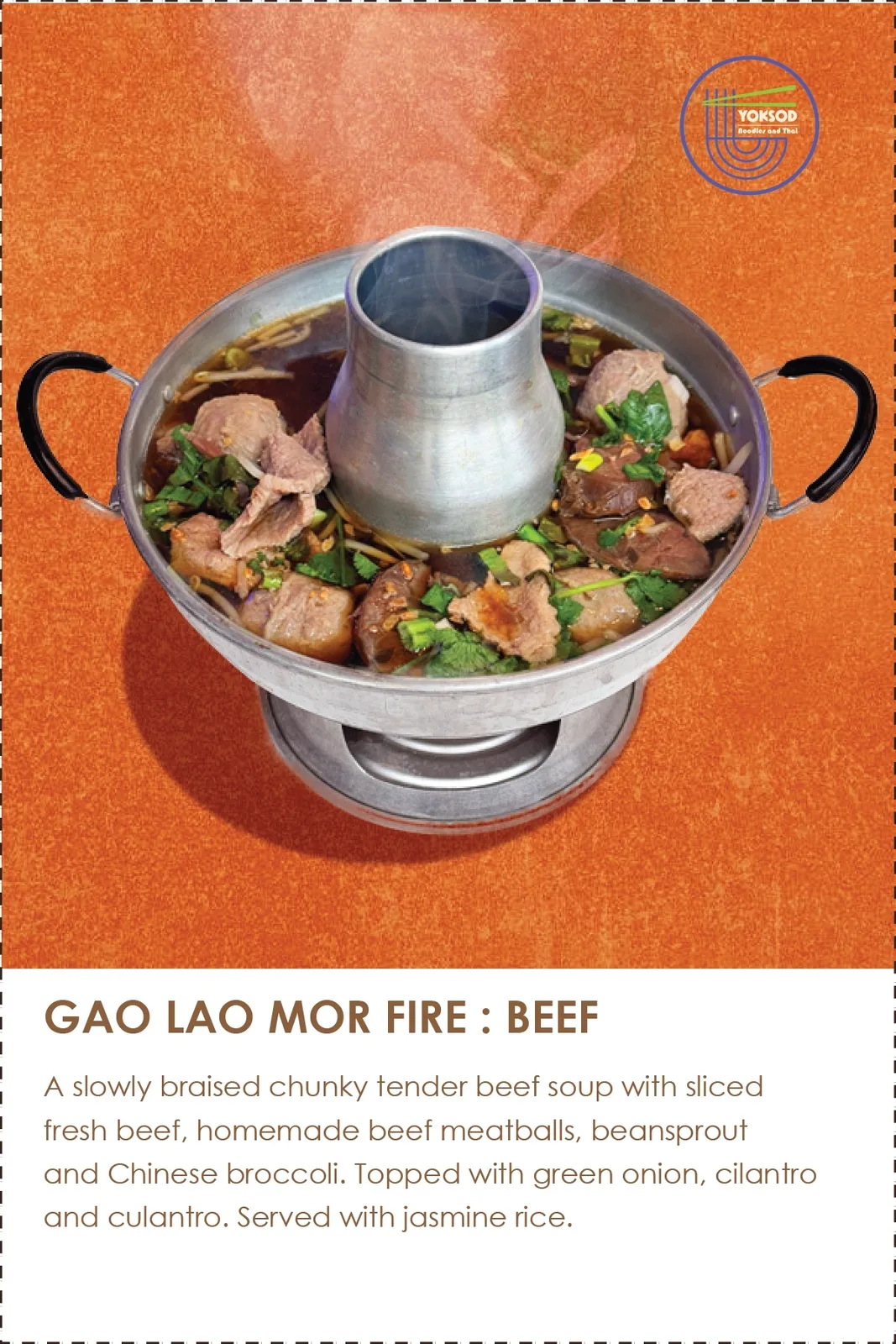
Where to Find Authentic Thai Noodles
If cooking at home isn't in the cards right now, seeking out authentic Thai restaurants is your next best move. Look for places that emphasize fresh ingredients, make their own sauces, and treat Thai cuisine as a craft, not a quick meal.
Related: Best Thai Tom Yum Soup Near Seattle, WA | Authentic & Fresh
Pay attention to the menu. If you see mostly Pad Thai and a few other westernized dishes, that's a sign they might not be focused on authenticity. But if you see Pad See Ew, glass noodles, boat noodles, and regional specialties, you've found a place that respects the cuisine.
Ask questions. Real Thai restaurants are proud of their food and happy to explain dishes, suggest what's authentic, and help you explore beyond the usual suspects. Places like Yoksod Noodles and Thai take time to highlight the heritage and craft behind each dish, which is a good sign you're in for an authentic experience.
Common Mistakes to Avoid
When you're starting your Thai noodle journey, watch out for these pitfalls:
- Overcooking noodles: Thai noodles should have texture. If they're mushy, they've lost their identity.
- Using low-quality ingredients: You can't build bold flavors without starting with fresh, quality components.
- Skipping the balance: If your noodles taste one-dimensional (too salty, too sweet, too spicy), something's off. Taste as you go and adjust.
- Cooking at low heat: Thai stir-fries need high heat. Low heat leads to steaming instead of cooking, and you lose that wok flavor.
- Ignoring noodle type: Not all noodles work for all dishes. Use the right type for the right preparation.
Learning From Regional and Local Preparation Methods
Thailand has regional variations in noodle dishes, and understanding these differences deepens your appreciation. Northern Thai noodles tend to be simpler, often in clear broths. Southern Thai noodles lean into coconut and spice. Central Thai (Bangkok-style) noodles are what most of us encounter internationally.
According to Thailand's official tourism and cultural resources, exploring these regional differences is one of the best ways to understand Thai cuisine beyond surface-level familiarity. The hidden alley locations like Yaowarat in Bangkok serve noodles that reflect generations of refinement, not tourist-friendly shortcuts.
You don't need to travel to access this knowledge. Many authentic Thai restaurants in your area carry recipes and techniques passed down through families. Asking about regional origins and traditional methods shows respect and usually gets you great recommendations.
Why Home Cooking Can Match Restaurant Quality
One final thought: homemade Thai noodles can genuinely match or exceed restaurant versions when you nail the fundamentals. You control your ingredients, portion sizes, and cooking time. You're not working under restaurant pressure to move orders quickly.
The tradeoff is time and attention. Restaurant cooks have done this thousands of times and move with precision. You'll move slower at first, but your noodles will be exactly what you want. And with practice, your speed and confidence both build.
What's the difference between Pad Thai and Pad See Ew?
Pad Thai uses thin rice noodles with tamarind sauce, creating a sweet-tangy-savory profile. Pad See Ew uses thicker egg noodles with dark soy sauce, creating a deeper, more savory flavor. Pad Thai is lighter and more acidic. Pad See Ew is heavier and more umami-forward. Both are equally authentic, just different expressions of Thai noodle cooking.
Can I make Thai noodles vegan?
Absolutely. Replace fish sauce with soy sauce or a plant-based fish sauce alternative. Use tofu or extra vegetables as your protein. Everything else stays the same: the cooking technique, the flavor balance, the noodle types. Your vegan Thai noodles will be just as flavorful as the traditional version.
How do I know if my Thai noodles are cooked right?
Your noodles should have a slight chew, not be mushy or crunchy. The sauce should coat every noodle evenly. The flavors should feel balanced, not dominated by one taste (unless that's intentional). And everything should smell fragrant, not burned. If you hit these marks, you're good.
What's the best noodle type for beginners to cook?
Rice noodles are your safest bet. They're forgiving, cook quickly, and work in both stir-fries and soups. Start with Pad Thai or a basic stir-fry using rice noodles, nail that technique, then branch out to egg noodles and glass noodles. Building confidence on the easiest noodle type sets you up for success.
Hungry?
Order Now →