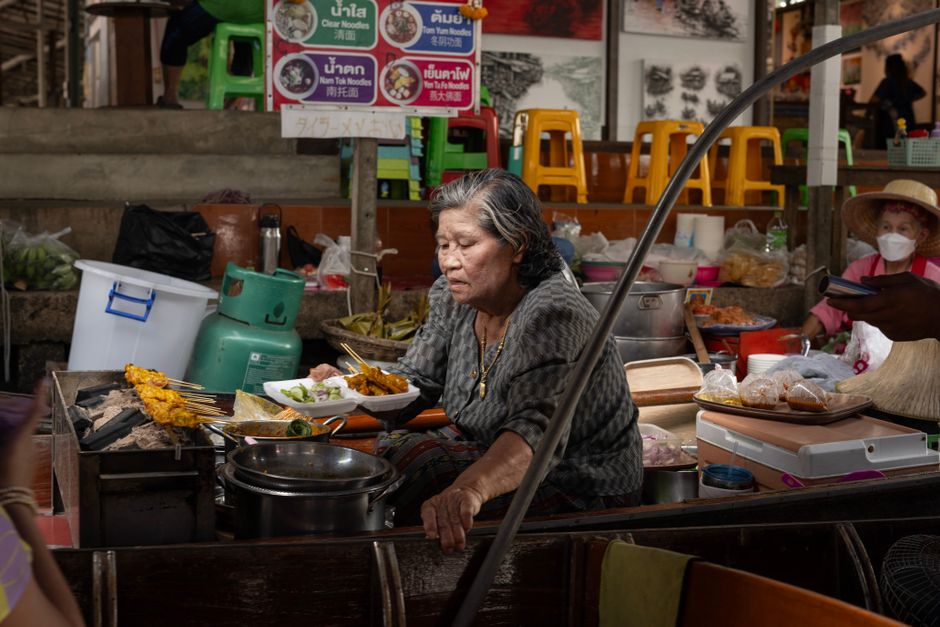
Thai street food is the heart of Thailand's food culture. It's where the best flavors happen, cooked right in front of you by vendors who've perfected their craft over years. Street food isn't fancy or complicated. It's real, it's delicious, and it tells the story of Thai cooking at its most honest.
Whether you're curious about what street food actually is, which dishes you should try first, or how to experience authentic Thai street food, this guide covers everything you need to know.
Related: Thai Cuisine: A Guide to Authentic Flavors & Dishes
Related: Thai Noodles: Types, Dishes & Authentic Recipes
Related: Best Thai Dishes Near Me in Seattle | Yoksod Noodles and Thai
Related: Best Thai Noodle Dishes Explained: A Complete Guide
What Exactly Is Thai Street Food?
Thai street food is prepared meals sold by vendors on the street or in open-air markets. These aren't sit-down restaurants. They're stalls, carts, and small stands where cooks make food fresh, fast, and affordably.
The whole point of street food is convenience and flavor. You grab a plate or a noodle bowl, eat it standing up or sitting on a plastic stool, and move on with your day. But don't let the casual setup fool you. The techniques, ingredients, and flavor combinations are deeply rooted in Thai tradition.
Street food culture is central to how Thai people eat every day. It's affordable, it's trusted, and most importantly, it tastes incredible. Every region of Thailand has its own street food specialties, shaped by local ingredients and family recipes passed down through generations.
The Most Popular Thai Street Food Dishes
If you want to understand Thai street food, you need to know the classics. These are the dishes you'll find at markets across Thailand, and they're the ones that define the cuisine.
Pad Thai (Stir-Fried Rice Noodles)
Pad Thai is probably the most famous Thai street food worldwide. Rice noodles are stir-fried with protein (usually shrimp, chicken, or tofu), eggs, bean sprouts, and a balance of sweet, salty, and tangy flavors from tamarind and fish sauce.
The magic of Pad Thai is its simplicity. It comes together in minutes, but the flavor is complex and satisfying. Street vendors cook it in huge woks over high heat, tossing everything together with speed and precision.
Drunken Noodles (Pad Kee Mao)
Drunken Noodles get their name from the spicy kick that pairs well with beer. Wide, flat rice noodles are tossed with a protein, fresh basil, chilies, and a savory sauce. It's one of the spiciest dishes you'll encounter on Thai streets.
The freshness of Thai basil and the heat of the chilies make this dish memorable. It's comfort food with a serious punch, and it's a street food staple throughout Thailand.
Thai Fried Chicken (Hat Yai Style)
Hat Yai is a city in southern Thailand famous for its fried chicken. Thai fried chicken is marinated in garlic, coriander, and pepper, then deep-fried until the outside is crispy and the inside stays juicy. It's often served with sticky rice and a sweet and spicy dipping sauce.
This is the kind of street food you eat with your hands, standing at a busy market. It's simple, craveable, and pure comfort.
Grilled Pork Belly (Moo Yang)
Pork belly marinated in garlic, coriander root, and soy sauce is grilled over charcoal until the edges char and the fat renders. It's served with sticky rice and a spicy dipping sauce called jaew.
The smokiness from the grill and the tender, fatty meat make this a street food favorite. It's the kind of dish that keeps people coming back to the same vendor year after year.
Why Thai Street Food Culture Matters
Street food isn't just convenient. It's a reflection of Thai identity and craftsmanship. Each vendor specializes in one or two dishes, which means they've spent thousands of hours perfecting them.
Street food is also social. Markets are gathering places. People go not just to eat, but to connect with their community. The vendor knows their regular customers. There's trust built into the transaction.
The flavors you get from authentic street food are different from what you find in formal restaurants. Street vendors use fresh ingredients, cook in high-heat woks and over charcoal grills, and season boldly. They don't hold back on fish sauce, chilies, or garlic.
If you're serious about experiencing authentic Thai cuisine, street food is where the truth lives. It's unpretentious, it's real, and it tastes like Thailand.
How to Find and Enjoy Authentic Thai Street Food
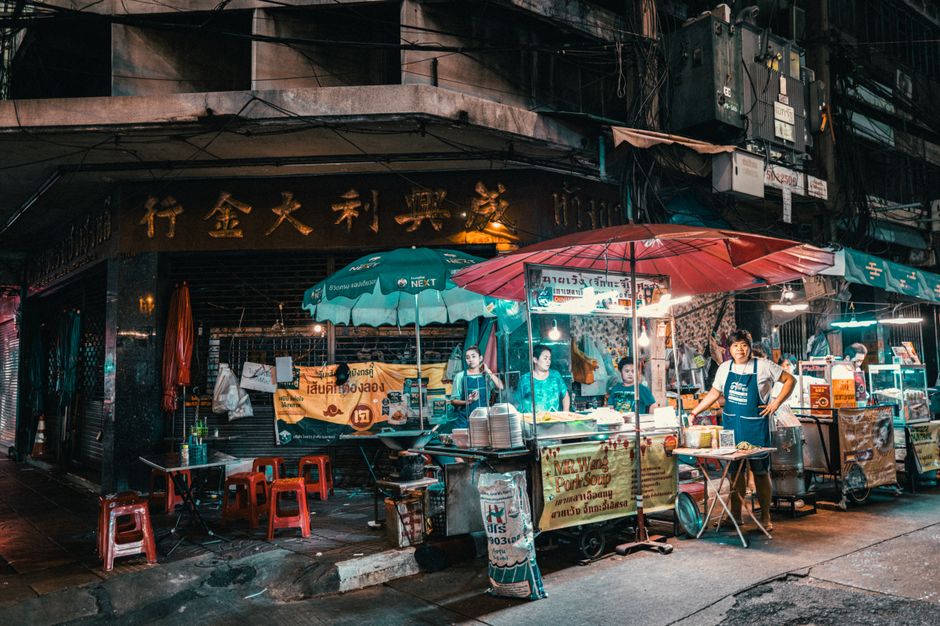
If you're visiting Thailand, street food is everywhere. Markets are busiest in the morning and early evening. Timing matters because vendors often sell out of their best items.
Look for busy stalls. If there's a line, that's a good sign. Busy vendors turn over food quickly, which means ingredients stay fresh.
Don't be afraid to point at what you want if you don't speak Thai. Most street food vendors understand gestures and smiles. Portion sizes are usually generous and prices are very affordable.
If you're not traveling to Thailand right now, you can still experience authentic Thai street food flavors. Many Thai restaurants, including Yoksod Noodles and Thai, specialize in traditional street food dishes made with the same techniques and fresh ingredients you'd find at a Bangkok market.
Hungry?
Order Now →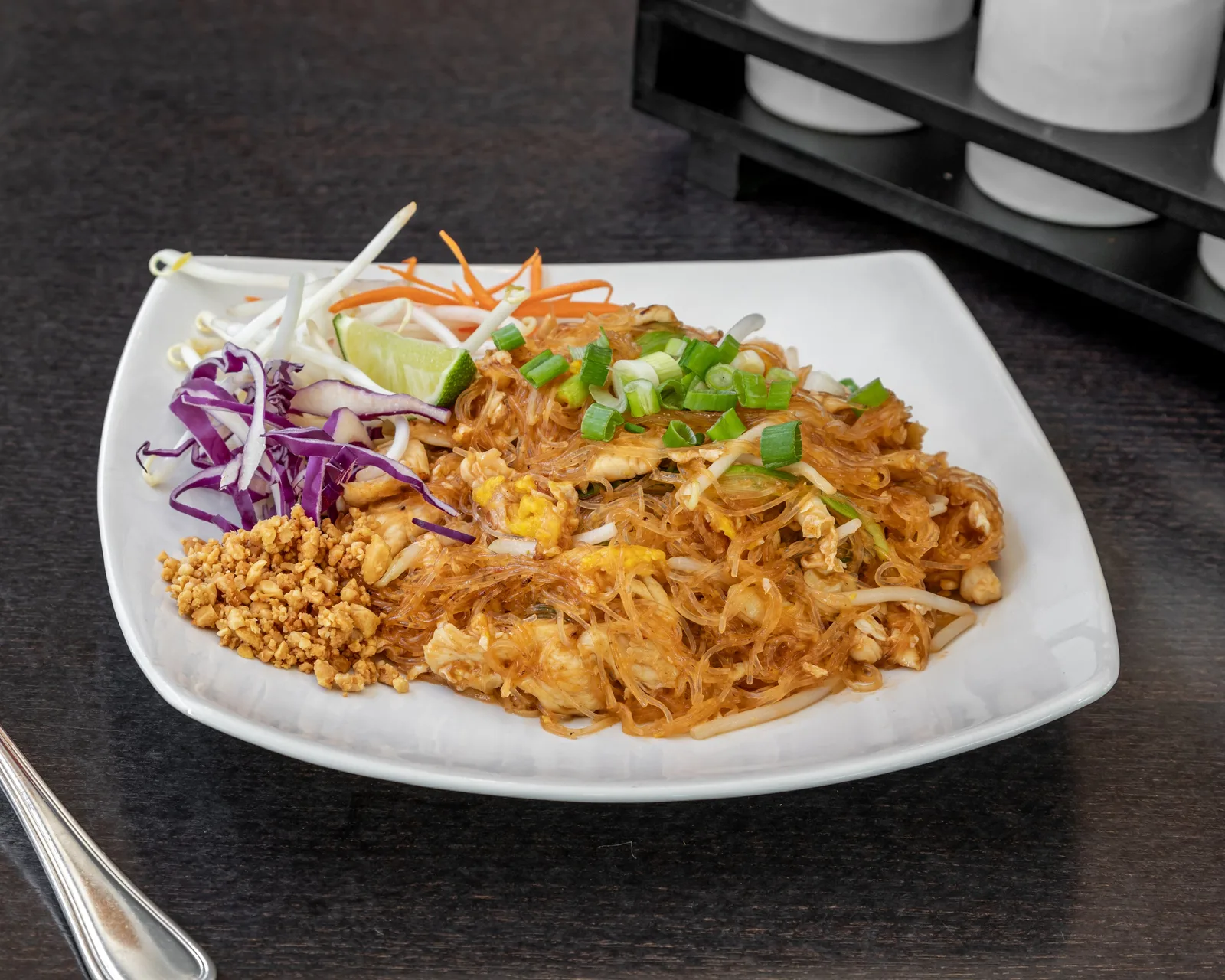
Making Thai Street Food at Home
You can recreate popular Thai street food dishes in your own kitchen. The key is using fresh ingredients and understanding the balance of flavors that makes Thai food work.
For most Thai street food dishes, you'll need a few core ingredients: fish sauce, tamarind paste, lime juice, garlic, chilies, and Thai basil. These create the sweet, salty, spicy, and sour balance that defines the cuisine.
A wok or large skillet is helpful but not required. You can make Pad Thai or Drunken Noodles in any large pan. High heat is important though. That's what gives the dish its flavor and texture.
Fresh herbs like Thai basil, cilantro, and mint should be added at the end, right before serving. They provide brightness and aroma that dried herbs can't match.
Proteins like chicken, pork, and shrimp are common in Thai street food because they cook quickly and pair well with bold flavors. Tofu is also a great option and absorbs sauces beautifully.
The recipes themselves aren't complicated. Most street food dishes come together in 10 to 15 minutes once your ingredients are prepped. The skill is in the seasoning and knowing when everything is cooked through but still has texture.
The Freshness Factor in Authentic Thai Street Food
One reason Thai street food tastes so good is ingredient quality. Street vendors source fresh produce, herbs, and proteins daily. They don't have the luxury of serving old food. Their reputation depends on quality.
Freshness also means you taste the individual ingredients more clearly. Fresh garlic, chilies, and herbs have a brightness that aged or frozen versions can't replicate.
When you're enjoying Thai street food, whether at a market in Thailand or at an authentic Thai restaurant near you, pay attention to how fresh everything tastes. That freshness is what separates great Thai food from ordinary versions.
Understanding what authentic Thai street food should taste like helps you find places that honor the tradition. Yoksod Noodles and Thai focuses on this same commitment to fresh ingredients and traditional preparation methods that make street food special.
Regional Differences in Thai Street Food

Thailand's regions each have their own street food identity. Northern Thailand is known for khao soi, a curry noodle dish that's completely different from what you find in the south.
Southern Thailand specializes in grilled meats like Moo Yang and seafood-forward dishes influenced by coastal cooking. The northeast (Isaan) is famous for sticky rice and spicy salads like som tam (green papaya salad).
Central Thailand, where Bangkok is located, blends styles from all regions. You'll find everything there, which is why Bangkok street markets are considered the ultimate destination for Thai food lovers.
Each regional dish carries history. They reflect what grew locally, what proteins were available, and how communities developed their cooking traditions over centuries.
Street Food Presentation and Food Safety
Authentic Thai street food comes with proper presentation. Pad Thai arrives on a plate with lime wedges, dried chilies, and bean sprouts on the side. Fried chicken comes with dipping sauce. Everything is ready to eat and seasoned to taste.
Food safety is taken seriously at reputable street food stalls. Fresh ingredients, clean equipment, and proper cooking temperatures matter just as much as flavor. This is why established vendors with regular customers are your safest bet.
When you're eating at street markets, look for vendors with high turnover and visible cleanliness. The setup might look casual, but proper food handling is happening behind the scenes.
Modern Thai Street Food Trends
Today's Thai street food scene is evolving while staying true to its roots. Vendors are offering wellness-focused versions of classic dishes, using premium ingredients, and experimenting with convenience formats like pre-packaged noodles and prepared sauces.
Health-conscious options are more available now too. You can find grilled proteins with lighter sauces, vegetable-forward dishes, and accommodations for dietary restrictions. The core flavors remain bold and authentic, just adapted for modern preferences.
This blend of tradition and innovation is what keeps Thai street food relevant and exciting. It respects the heritage while meeting people where they are today.
Bringing Thai Street Food Into Your Life
You don't need to travel to Thailand to experience authentic street food. Many Thai restaurants have built their entire concept around recreating that street market energy and authenticity.
When you're choosing where to eat Thai food, look for places that prioritize fresh ingredients, traditional recipes, and honest cooking. These are the hallmarks of real Thai street food culture.
Whether you're ordering online for convenience or dining in to experience the atmosphere, authentic Thai street food should taste like it was prepared with care and skill. It should be bold, balanced, and craveable.
What makes Thai street food different from restaurant Thai food?
Street food is cooked to order in high-heat woks and over charcoal, which creates deeper flavors and better texture. It's also seasoned more boldly because vendors compete on taste. Restaurant versions are sometimes adapted to be milder or more familiar to broader audiences.
Can I find authentic Thai street food outside of Thailand?
Yes. Thai restaurants that focus on traditional recipes and fresh ingredients recreate street food authentically. Look for places that emphasize their sourcing and cooking methods, not just menus.
What's the best beginner Thai street food dish?
Pad Thai is the most accessible because it balances sweet, salty, and tangy flavors without being too spicy. It's flavorful but not overwhelming, making it perfect if you're new to Thai food.
How spicy is Thai street food?
It varies. Pad Thai is mild to medium. Drunken Noodles and som tam (green papaya salad) are spicy. Most vendors will adjust heat levels if you ask. Start with milder dishes and work your way up if you prefer.
Hungry?
Order Now →