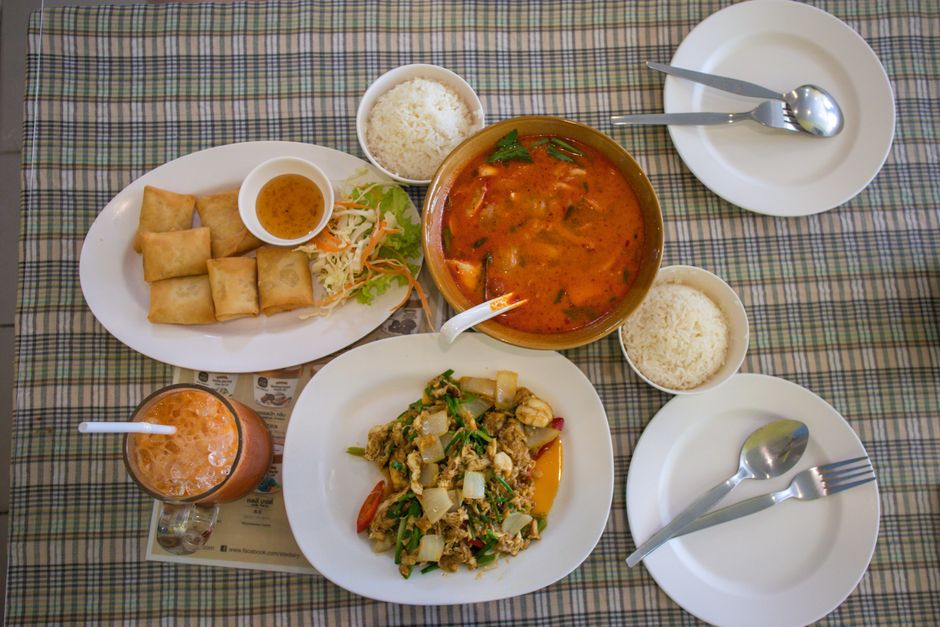
When you search for a "Thai Thai restaurant," you're looking for the real deal: authentic Thai cuisine prepared with care, using fresh ingredients and traditional recipes that have been passed down for generations. A true Thai Thai restaurant isn't just serving food; it's bringing Thai heritage and craftsmanship to your table.
The difference between a great Thai restaurant and an average one comes down to a few key things: ingredient quality, cooking technique, and a chef who actually understands Thai flavors. Let's break down what to look for and how to get the most out of your Thai dining experience.
What Makes a Thai Thai Restaurant Authentic
Authentic Thai restaurants prioritize flavor harmony. In Thai cooking, you're balancing sweet, salty, sour, and spicy all at once. It's not about one note overpowering everything else—it's about layers that work together.
Related: What Makes Authentic Thai Food Different From Western Versions
Related: Thai Basil Noodles in Seattle: Where to Find Authentic Flavors
The best Thai restaurants use fresh herbs like basil, cilantro, and lemongrass instead of pre-made pastes or shortcuts. You'll notice the difference immediately in the brightness and complexity of the dish. Fresh garlic, fresh ginger, and real Thai chilies matter too.
Look for a restaurant led by a chef with genuine experience in Thai cooking techniques. They know how to properly char a curry, when to add coconut milk, and how to build flavor through cooking time—not just by dumping ingredients together.
The Menu You'll Find at a Thai Thai Restaurant
A solid Thai restaurant menu typically includes curries, stir-fries, noodle dishes, rice bowls, and soups. But the standout Thai restaurants go deeper. They feature seafood preparations done right, creative curry variations, and sometimes unexpected flavor combinations that honor Thai tradition while showing real skill.
You'll usually see classics like:
- Red, green, and yellow curries with your choice of protein
- Pad Thai and other noodle dishes
- Tom Yum (spicy soup) and Tom Kha (coconut soup)
- Stir-fried vegetables and meat dishes
- Salads with bold dressings
- Specialty seafood preparations
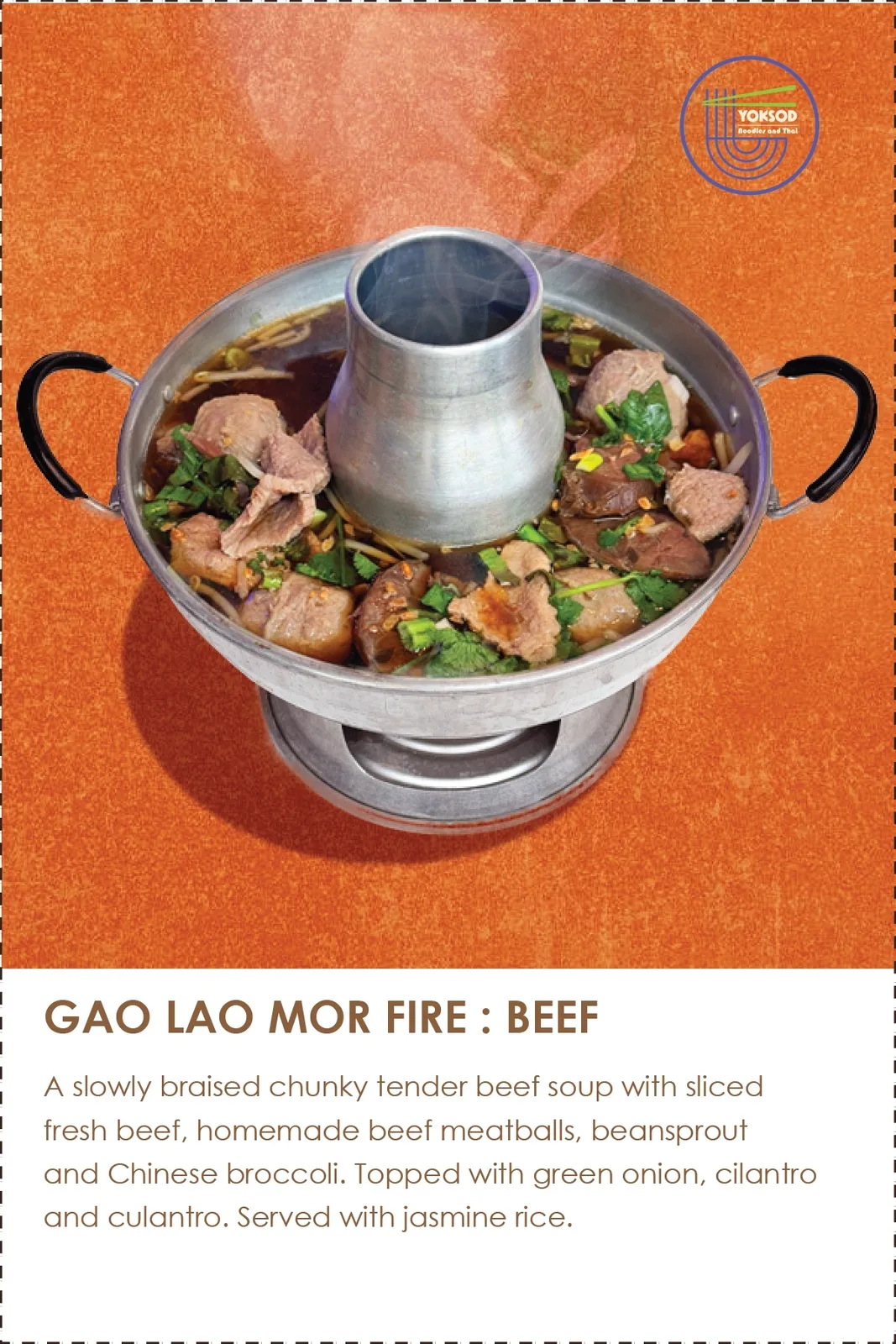
Don't just order what sounds safest. Ask your server what the chef does really well. Yoksod Noodles and Thai and other quality Thai restaurants want you to experience their best work.
How to Spot a Great Thai Restaurant in Your Area
Start with location. The best Thai restaurants are usually in established commercial areas where they've built relationships with the neighborhood. They're not hiding in strip malls or hard-to-find spots—they're accessible and they invite you in.
Check if they offer both dine-in and online ordering. This shows they're serious about service and convenience. You should be able to call ahead for reservations or questions about the menu, and you should get a real person who knows the food.
Read customer reviews carefully. Skip the generic five-star reviews. Look for specific feedback about food quality, authenticity, and service. People who care about real Thai food will tell you if a restaurant nails it or if they're just copying recipes.
Visit their website or social media. A real Thai restaurant often showcases their dishes, their ingredients, and sometimes the people behind the counter. They're proud of their work and it shows.
What to Order at a Thai Thai Restaurant
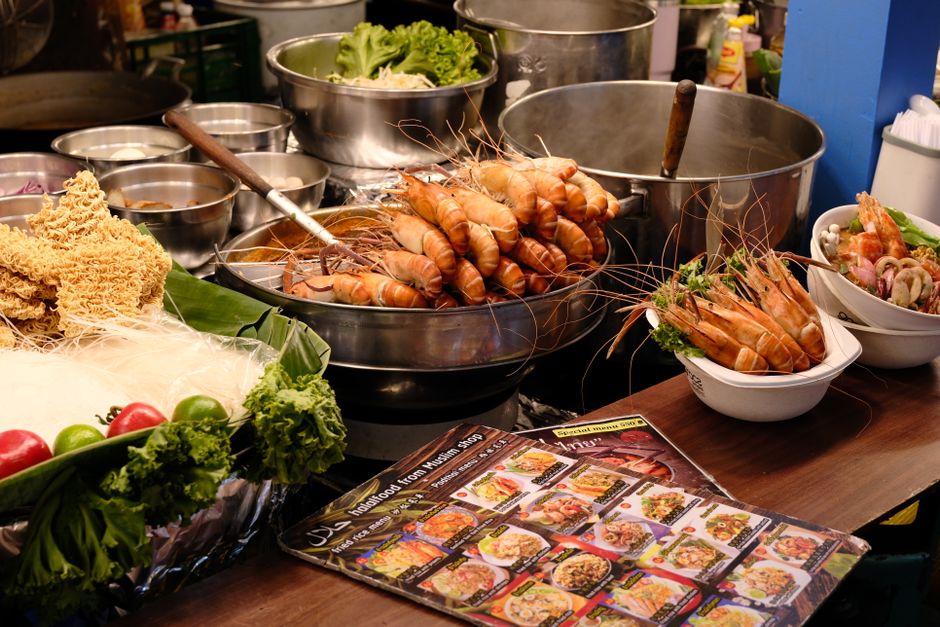
If you're new to Thai food, start with something approachable but authentic. Pad Thai is a good entry point, but don't stop there.
Ask for a curry. Get it mild if you're not used to heat, but go for it. A well-made curry should taste balanced, not just hot. The coconut milk should be rich, the spices should be distinct, and the protein should be cooked perfectly.
Try a soup. Tom Yum brings spice, lime, and lemongrass together in a way that's hard to forget. Tom Kha is creamier and more approachable if you want to ease in.
Order a stir-fry. Watch how the chef handles the heat and the timing. Good Thai stir-fries are crispy and fast, not mushy.
Don't sleep on salads. Thai salads are bold, fresh, and usually feature a lime-based dressing that's incredible. Larb (minced meat with herbs) is a classic that'll change how you think about salad.
Dining In vs. Online Ordering at a Thai Restaurant
Dine-in lets you experience the full atmosphere and get recommendations from staff in real time. You can ask questions, watch the energy of the kitchen, and get hot food at exactly the right moment.
Online ordering is perfect when you want authentic Thai food at home. A good Thai restaurant will package dishes carefully so they hold up during delivery or pickup. If you're ordering online, call ahead and ask what travels best—some dishes are better fresh off the stove than others.
When you're deciding between dine-in and delivery, think about the dish. Curries and soups actually improve a little when they sit and the flavors meld. Stir-fries are best fresh. Noodle dishes fall somewhere in the middle.
What to Expect When You Visit
Good Thai restaurants typically operate during regular lunch and dinner hours. You'll usually find them open mid-morning through early afternoon for lunch, and then again for dinner service. Hours vary, so check ahead—especially if you're planning a specific time.
Expect friendly service and a welcoming vibe. Thai restaurants are community spaces. The staff should be knowledgeable about the menu and happy to help you navigate the spice levels and flavor profiles.
The restaurant should feel clean, organized, and authentic. You might see Thai decorations, but the real tell is the food. Everything else is just setting.
If you're looking for authentic Thai dining in Seattle, Yoksod Noodles and Thai delivers exactly what a quality Thai restaurant should: genuine recipes, fresh ingredients, and the kind of care that shows in every dish.
Hungry?
Order Now →Tips for Your Next Thai Restaurant Visit

Ask about spice level before you order. Thai restaurants can adjust heat, but you need to tell them what you're comfortable with.
Don't be afraid to ask questions. "What's the difference between the red and green curry?" "What's your most popular dish?" "What does the chef recommend?" Good restaurants love when you engage.
Try something unfamiliar. If you always order the same thing, you'll miss out. Each visit is a chance to explore.
Go with others if you can. Thai food is meant for sharing. You'll taste more dishes and the experience is more fun.
Be patient. Real Thai cooking takes time. If your food comes out quickly, it might be reheated or pre-made. A fresh curry cooked to order takes a few minutes, and that's exactly what you want.
Building Your Thai Restaurant Routine
Once you find a Thai restaurant you love, make it a regular spot. Restaurants remember loyal customers. You'll start building relationships with servers, you'll learn the menu deeper, and you might even get insider recommendations on seasonal specials or dishes the chef is excited about.
Try different dishes each time. Set a goal to work through the menu over several visits. This keeps the experience fresh and helps you discover what you actually prefer versus what you thought you'd prefer.
Bring friends who've never had real Thai food. Introducing someone to authentic Thai cuisine is always rewarding. You get to see their reaction to flavors they've never experienced.
People Also Ask
What's the difference between a Thai restaurant and other Asian restaurants?
Thai food has its own distinct flavor profile built on the balance of sweet, salty, sour, and spicy. It relies heavily on fresh herbs like basil and cilantro, and features unique ingredients like lemongrass, Thai chilies, and fish sauce. Other Asian cuisines like Vietnamese or Chinese have different flavor foundations and cooking techniques. A genuine Thai restaurant specializes in this specific cuisine, not a mix of Asian food.
How do I know if a Thai restaurant is authentic?
Authentic Thai restaurants are usually run by chefs with real Thai cooking experience. The menu features classic Thai dishes alongside creative variations. The restaurant uses fresh ingredients you can taste (bright herbs, real spices), not pre-made sauces. Customer reviews mention authenticity and flavor complexity. You can also call ahead and ask about their approach to traditional recipes.
What should I order if I don't like spicy food?
Always tell your server you prefer mild heat. Good Thai restaurants can adjust spice levels without sacrificing flavor. Try Tom Kha (coconut soup), pad Thai (mild when you request it), or curry dishes made with coconut milk and less chili. Stir-fried dishes can also be made mild. Thai cuisine doesn't have to be spicy to be delicious—it's about the harmony of flavors.
Is it better to dine in or order online from a Thai restaurant?
Dine-in gives you the full experience: hot food at the perfect moment, real-time recommendations, and the atmosphere. Online ordering is convenient and works well for dishes like curries and soups that hold up during transport. If you're busy or prefer eating at home, order online. If you want to experience the restaurant fully, go in person. The best restaurants excel at both.
Hungry?
Order Now →