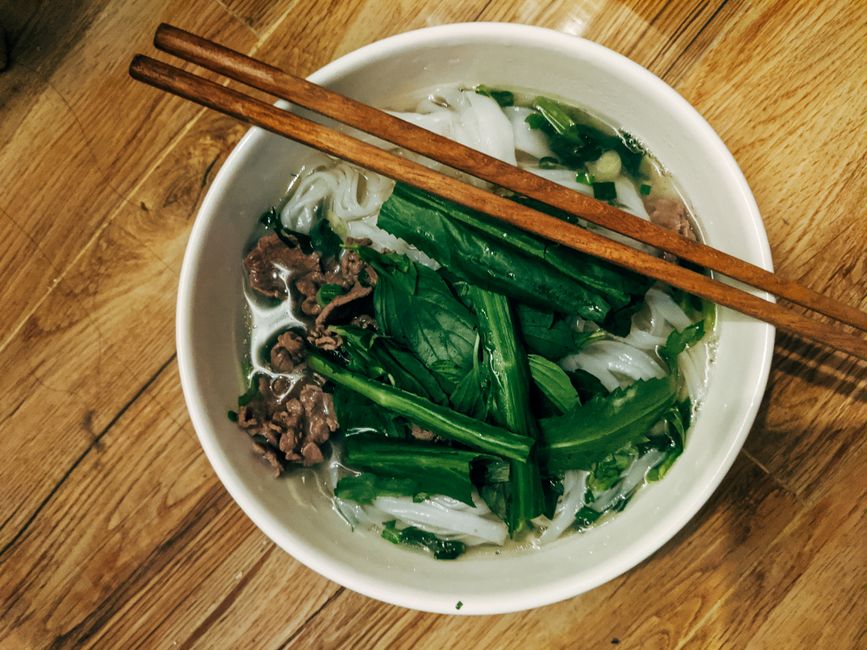
If you're hunting for Thai basil noodles in Seattle, you're looking for one of Thailand's most beloved comfort dishes. These aren't your typical takeout noodles. Thai basil noodles are fragrant, bold, and built on the harmony of fresh ingredients that actually taste like something. Let me walk you through what they are, why they matter, and how to find the real deal in your city.
What Are Thai Basil Noodles, Anyway?
Thai basil noodles (called "pad krapow" when served with rice, or "rad pad" when served with noodles) are a stir-fried noodle dish that centers on one ingredient: fresh Thai basil. This isn't the Italian basil from your garden. Thai basil has a spicier, more anise-like flavor that hits different.
The dish combines wide rice noodles with a stir-fry base of garlic, fresh chilies, and your choice of protein (chicken, pork, shrimp, or tofu). Fresh cilantro gets tossed in at the end, along with that star ingredient: vibrant Thai basil. The result is a plate that smells incredible and tastes even better.
The flavor profile is bold and fragrant. You get heat from the chilies, a savory punch from the garlic, and that unique licorice-like note from the Thai basil. It's the kind of dish that makes your mouth water just thinking about it.
Why Seattle's Thai Noodle Scene Is Worth Exploring
Seattle has a solid Thai food community, and Yoksod Noodles and Thai is part of what makes the local dining experience authentic. These restaurants don't cut corners. They source quality ingredients, prepare dishes the traditional way, and actually care about what lands on your plate.
Related: Casual Thai Dining in Seattle: Where to Find Authentic Flavors
Related: Authentic Thai Noodles in Seattle: Where to Find the Real Deal
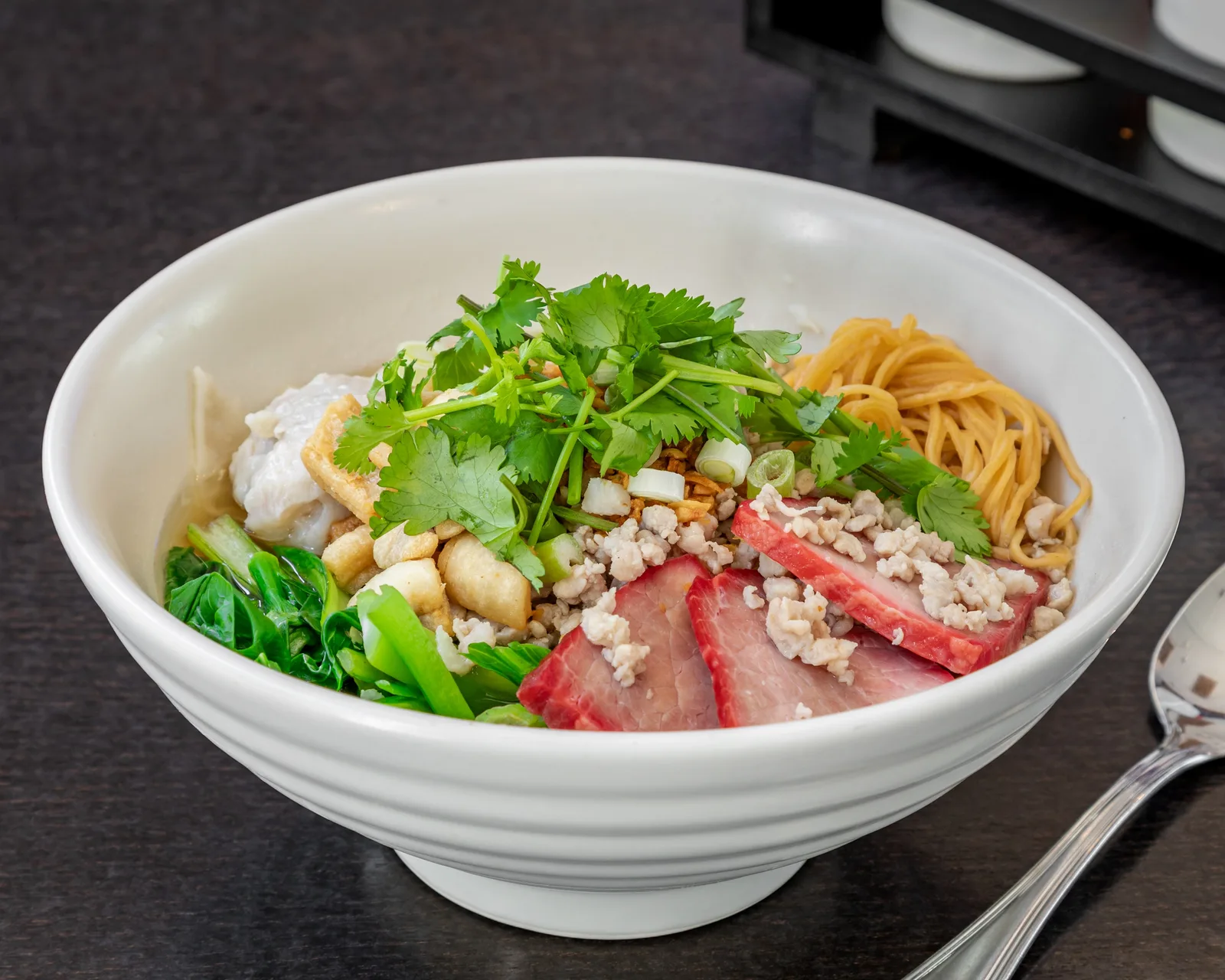
The Seattle Thai restaurant scene includes places like Thai Noodles Soup N, which is known for their signature Thai Basil Stir-Fry featuring crispy noodles, fresh basil, chili, cilantro, and glass noodles. But there are others worth knowing about too: Noi Thai Cuisine, Gao Lhao Bangkok Noodle Shop, Larb Thai, and TK Noodle Café all bring their own take to authentic Thai cooking.
What makes these places different from chain restaurants? They're using fresh basil instead of dried, real Thai chilies instead of chili powder, and they're not dumbing down the spice level or the salt content to appeal to a generic palate. They're making food the way it's supposed to taste.
How to Order Thai Basil Noodles (And What to Expect)
When you're ready to order, here's what you need to know.
First, ask about the base. Most authentic Thai basil noodle dishes use wide rice noodles. Some places offer glass noodles as a lighter alternative. Both are traditional, so pick what appeals to you.
Second, choose your protein. Chicken and pork are the classics. Shrimp adds a different texture. Tofu works great if you're vegetarian or just want something lighter.
Third, communicate about heat. Thai basil noodles come with fresh chilies built in, so they're naturally spicy. If you can't handle serious heat, tell the restaurant. If you love it, you can ask for extra. Most places will listen.
Finally, think about ordering online. Many Seattle Thai restaurants now offer online ordering and delivery. That convenience matters when you're craving something specific. Check if your favorite spot has a website or app.
What Makes Authentic Thai Basil Noodles Different
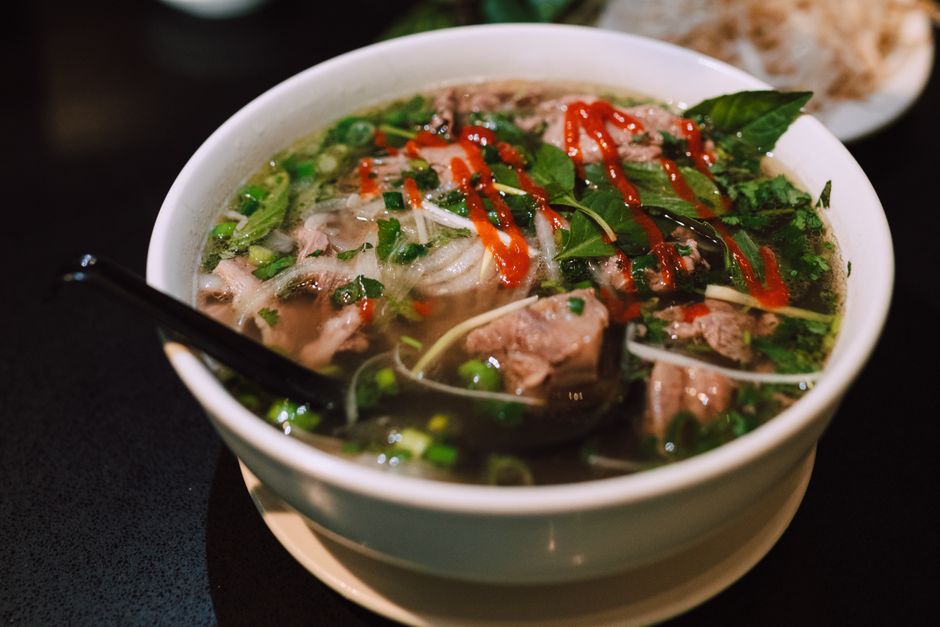
Not all Thai basil noodle dishes are created equal. Here's how to spot the real thing.
Fresh herbs matter. You should see actual green basil leaves on your plate, not a faint basil-flavored sauce. The basil should smell strong and smell fresh. If it's wilted or brown, it's been sitting around too long.
The noodles should have texture. Crispy edges mixed with tender centers is the sweet spot. If your noodles are soggy or uniform in texture, they've been over-sauced or sitting in the pan too long.
Heat comes from real chilies. You should taste individual chili pieces. The burn should be fresh and immediate, not a slow, chemical kind of heat. Real Thai chilies have a fruity, sharp flavor underneath the spice.
The sauce should coat, not drown. Traditional Thai basil noodles aren't swimming in liquid. The sauce should cling to the noodles and protein, with maybe a small pool at the bottom of the plate.
When you're evaluating restaurants, check if they describe their dish with words like "fresh basil," "traditional preparation," or "authentic." Those phrases usually mean they care about doing it right. Yoksod Noodles and Thai emphasizes exactly this kind of approach: authentic Thai dining with an eye toward quality ingredients and traditional technique.
Hungry?
Order Now →Other Thai Noodle Dishes to Try While You're At It
Once you've mastered Thai basil noodles, expand your horizons a little.
- Pad Thai: Tangy, sweet, and savory all at once. Built on thin rice noodles with tamarind, palm sugar, and lime.
- Boat Noodles: A Chiang Mai specialty. Soup-based noodles with broth, meat, and a tangle of thin noodles. Rich and warming.
- Khao Soi: A northern Thai curry noodle dish with egg noodles in a turmeric-based sauce. Often comes with a side of crispy noodles to add crunch.
- Pad See Ew: Dark soy sauce noodles with Chinese broccoli and a savory kick. Less spicy than Thai basil, but seriously addictive.
Seattle restaurants offer most of these options. Trying a few different dishes gives you a better sense of the restaurant's range and skill level.
How to Make Thai Basil Noodles at Home (If You Want to Try)
Want to experiment in your own kitchen? It's totally doable, though sourcing fresh Thai basil might be your biggest challenge.
You'll need wide rice noodles (find these at any Asian grocery store), fresh Thai basil (harder to find, but worth hunting for at farmers markets or Asian markets), Thai chilies, garlic, soy sauce, oyster sauce, and your protein. A high-heat wok or large skillet is ideal.
The technique is simple: heat oil in your wok, cook the protein until done, remove it, then stir-fry garlic and chilies in the same wok. Add noodles, toss everything together with a splash of soy and oyster sauce, then finish with fresh basil and cilantro at the very end. The whole process takes maybe 5 minutes once you've prepped your ingredients.
That said, making it at home is fun but not quite the same as ordering from a restaurant. Professional kitchens have woks cranked to temperatures home stoves can't match, and they have years of muscle memory for timing. If cooking isn't your thing, that's exactly why restaurants exist.
Finding Your Go-To Thai Basil Noodle Spot in Seattle

Your best bet is to start with a restaurant that specializes in Thai food and has a solid reputation for traditional dishes. Look for online reviews that mention "fresh," "authentic," and "flavorful." Word of mouth matters too. If a friend raves about a place, that's worth checking out.
When you visit, order the Thai basil noodles as your first dish. Pay attention to the details mentioned earlier: Are the herbs fresh? Does the sauce cling to the noodles? Is the heat coming from real chilies? Your first bite tells you a lot about whether you've found a keeper.
Once you find a restaurant you love, stick with them. Building a relationship with a good Thai restaurant means they'll remember your preferences, they might sneak in a little extra basil or adjust the heat just how you like it, and you'll always know what you're getting. That consistency is worth its weight in gold when you're craving something specific.
Ordering Online and Delivery Tips
Most Seattle Thai restaurants now have online ordering. Here's how to make the experience smoother.
Order during off-peak hours if possible. Tuesday through Thursday lunch or early evening usually means your food gets made with less rush and arrives fresher.
Add delivery time to your expectations. Thai basil noodles travel better than some dishes (they're not as delicate as soup), but they still peak when eaten fresh. If delivery will take 30 minutes, factor that into your timing.
Include special instructions. Most online ordering systems let you add notes. If you want extra basil, less oil, or a specific spice level, write it in. Restaurants usually honor these requests.
Check the menu online first. Some restaurants offer different dishes through delivery apps than they do in-house. Visit their website to see what's really available.
When you're ready to explore what Seattle's Thai scene has to offer, Yoksod Noodles and Thai and similar neighborhood spots are where the real flavors live. These are the places doing the work right, treating every dish like it matters, because it does.
People Also Ask
What's the difference between Thai basil and regular basil?
Thai basil (also called holy basil) has a spicier, more anise-like flavor compared to Italian sweet basil. It's got a purple tint to the stems and leaves, a stronger aroma, and it holds up better to high-heat cooking. In Thai cuisine, it's non-negotiable. Regular basil would taste flat and wrong in Thai basil noodles.
How spicy are Thai basil noodles really?
The heat comes from fresh Thai chilies, which pack serious punch. Most traditional recipes include 2-4 whole chilies in a single serving. If you have a low spice tolerance, tell the restaurant and ask them to go light. They can absolutely dial it back without ruining the dish.
Can you get Thai basil noodles delivered in Seattle?
Yes. Most Thai restaurants in Seattle offer delivery through their own website or through popular apps. The dish travels reasonably well since it's not soup-based. Just order during less busy times when possible, and eat within 15-20 minutes of arrival for the best experience.
Where do I find fresh Thai basil if I want to cook at home?
Asian grocery stores are your best bet, especially ones with a good produce section. Some farmers markets carry it during growing season. If your area doesn't have Thai basil available, honestly, it's better to order from a restaurant. You're paying for their access to consistent, quality ingredients anyway.
Hungry?
Order Now →