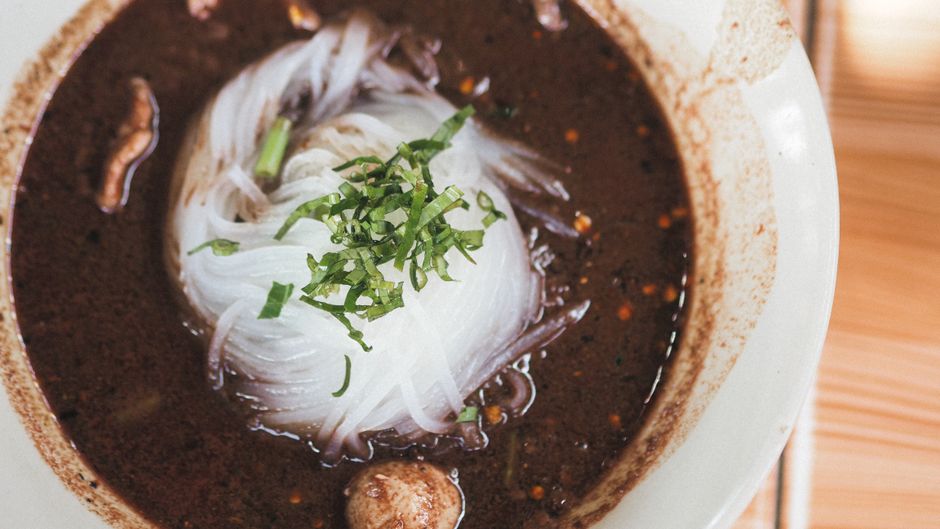
If you're hunting for authentic Thai noodles in Seattle, Washington, you're in luck. This city has some seriously solid Thai restaurants that go beyond the frozen steam trays and actually nail the craft. Whether you want drunken noodles, pad see ew, or something more adventurous, we've got the breakdown of where to go and what to order.
What Makes Thai Noodles Authentic?
Real Thai noodles aren't just noodles with sauce thrown on top. Authenticity means fresh ingredients, proper technique, and balance. You're looking for the harmony of salty, sweet, sour, and spicy that Thai cuisine is famous for.
Related: Best Thai Tom Yum Soup Near Seattle, WA | Authentic & Fresh
The noodles themselves matter too. Most authentic Thai spots use rice noodles or egg noodles depending on the dish. The sauce clings properly, the heat builds gradually, and the flavors don't compete with each other—they dance together.
When you see a Thai restaurant that sources fresh basil, actual Thai chilies, and quality fish sauce, you know they're serious. That's the difference between "Thai food" and Thai noodles done right. Yoksod Noodles and Thai operates on exactly this philosophy: fresh ingredients, traditional recipes, and the craft that Seattle deserves.
Related: Best Chow House & Thai Noodles in Seattle, WA | Yoksod
Top Thai Noodle Dishes You Need to Try
Let's talk about the noodle dishes that define authentic Thai cuisine.
Related: Best Authentic Thai in Seattle 2026: Top 6 Ranked
Related: Best Thai Dishes Near Me in Seattle | Yoksod Noodles and Thai
Pad Krapow Moo (Drunken Noodles) is probably the most famous. Wide rice noodles, ground meat, Thai basil, and a kick of heat. ASEAen Street Food in Westlake has earned serious praise for their version—it's consistently ranked among the best in the city.
Pad See Ew is a dark, savory option. Think soy-based sauce, thick rice noodles, Chinese broccoli, and a touch of sweetness from palm sugar. Manao does this one beautifully and it's a solid pick if you want something less fiery.
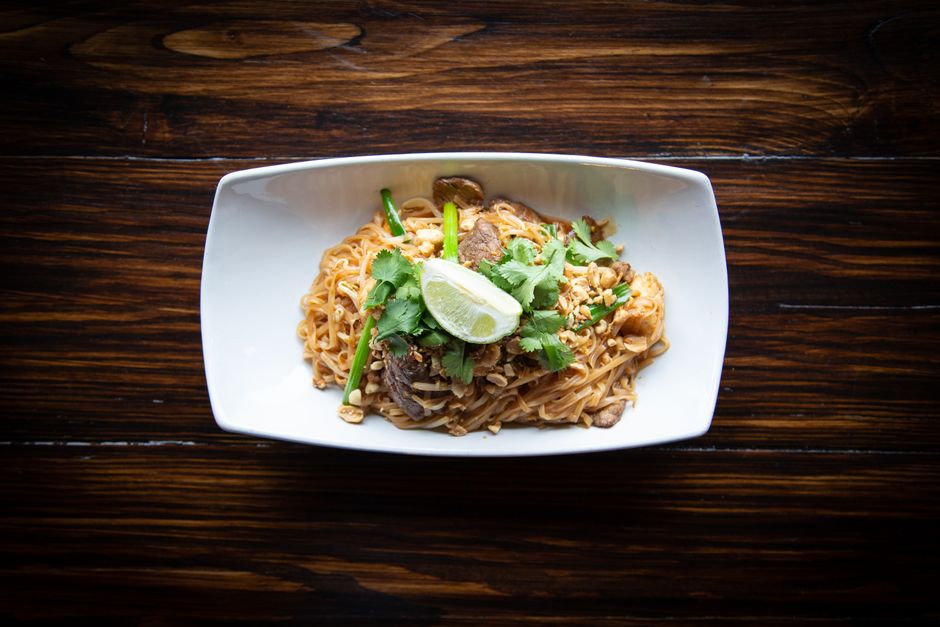
Pad Thai is the obvious one, but the authentic version is tamarind-forward and balanced, not overly sweet or sour. It should have a hint of funk from the fish sauce—that's how you know it's real.
Rad Na (crispy noodles with gravy) is comfort food done right. Crispy fried noodles with a savory gravy poured over top. It's less common on Seattle menus but worth seeking out.
Glass Noodles with Prawns is elegant and light. Thin rice noodles with seafood, herbs, and lime. It's the kind of dish that tastes simple but requires skill to execute properly.
Best Thai Noodle Spots in Seattle
Seattle's Thai scene is scattered across different neighborhoods, so knowing where to go saves you time and decision fatigue.
ASEAen Street Food (Westlake) leads the pack for drunken noodles specifically. Their version hits every note—the basil is fragrant, the meat is properly cooked, and the heat builds without overwhelming you.
Buddha Ruksa is a veteran in the Seattle Thai game. They've been doing this long enough to understand what authentic means and they execute consistently.
Manao specializes in northeastern Thai (Isaan) flavors, which means bold, bright, and unapologetic. If you want noodles with real personality, this is your spot.
Pestle Rock brings street food energy to their noodle dishes. Everything feels made with intention, and the menu rotates based on what's fresh.
Isarn Thai Soul Kitchen focuses on authentic Isaan cuisine, which means you'll get noodle dishes that don't play it safe. Expect real depth.
Kao Samai Thai is a hidden gem that doesn't get as much hype as it deserves. They take their recipes seriously and the quality shows in every bowl.
Gao Lhao Bangkok Noodle Shop and Larb Thai are newer additions that are worth checking out if you want something fresh and current.
If you want to experience noodles made with the same attention to detail and fresh ingredients that define Yoksod Noodles and Thai, any of these spots will deliver. The key is ordering smartly and knowing what you're after.
How to Order Thai Noodles Like You Know What You're Doing

Not all Thai restaurants are the same, and knowing how to order makes a huge difference.
Related: Far East Restaurant Guide: Finding Authentic Thai Near You
Related: Authentic Thai Green Curry Recipe: Step-by-Step Guide
Ask about heat levels. In Thai, there's a spectrum from mild to absolutely brutal. Tell them your actual tolerance level. "Thai hot" might mean something different at each place.
Request fresh ingredients if it's an option. Some places will make noodles to order with fresh components. If they offer it, take it. The difference is noticeable.
Pair your noodles wisely. If you're ordering drunken noodles (which have their own heat), maybe skip the spicy curry. Balance is key to getting the full experience.
Check if they have house specialties. A dish that's on the menu is good. A dish the chef is known for is probably better. Ask your server what people come back for.
Consider side dishes. A light salad or cucumber relish can cut through the richness and let your palate reset between bites. It's traditional for a reason.
Order for the table, not just yourself. Thai food is built around sharing flavors and contrasts. You'll appreciate the meal more when you're tasting multiple dishes.
Why Fresh Ingredients Matter in Authentic Thai Noodles
Here's where a lot of restaurants miss the mark. Authentic Thai noodles depend on fresh herbs and quality proteins because there's nowhere to hide.
Thai basil isn't the same as Italian basil. The leaves are smaller, more peppery, and they release a different kind of fragrance when they hit heat. When a restaurant sources the real thing, you taste it immediately. When they substitute, the whole dish feels off.
Fish sauce gets a bad reputation, but when it's quality fish sauce, it adds umami depth rather than fishiness. It's the backbone of Thai flavor. Cheap fish sauce tastes like regret. Good fish sauce is invisible—it just makes everything taste more like itself.
Fresh chilies matter too. Dried or powdered chilies give heat, but fresh Thai chilies give heat plus flavor. There's a difference between "spicy" and "spicy with character."
This commitment to real ingredients is non-negotiable if you want noodles that actually taste authentic. When restaurants cut corners here, you end up with Thai-inspired noodles instead of actual Thai noodles.
Dining In vs. Online Ordering for Thai Noodles
Some dishes travel better than others.
Dine in works best for: Noodle dishes that need to hit your bowl at a specific temperature, with fresh basil on top, and sauce distributed perfectly. Drunken noodles especially benefit from being eaten immediately after they're plated.
Online ordering works well for: Noodle dishes that are naturally sturdy. Pad Thai holds up decently. Rad Na (crispy noodles with gravy) is actually fine because the noodles stay crispy longer than you'd expect.
If you're ordering from Yoksod Noodles and Thai online, you get the benefit of a restaurant that understands how their dishes travel. They're not just sending out food—they're thinking about how it arrives at your door.
The honest play: if you can dine in, do it. You'll taste the difference. If online ordering is your situation, that's fine—just know that some dishes shine brighter when they're fresh off the stove.
Common Mistakes When Ordering Thai Noodles
Learning from other people's mistakes saves you money and disappointment.
Ordering everything mild. Thai food is built around heat. You don't have to go full fire mode, but a little heat is part of the design. It opens your mouth and lets you taste more.
Adding soy sauce before tasting. The chef already balanced the salt and flavor. Try it first.
Getting overwhelmed and ordering the same safe thing. Every restaurant has that one noodle dish that's their signature. Be brave enough to ask what it is.
Treating it like fast food. Thai noodles deserve attention. Eat slowly. Notice the layers of flavor. That's the point.
Skipping the fresh herbs. Most places put basil and lime on the side. Use them. They're not decoration—they're part of the dish.
Where Yoksod Noodles and Thai Fits In
Yoksod Noodles and Thai is built on the same principles that separate authentic spots from the rest: quality ingredients, traditional recipes, and genuine care. Whether you're looking to dine in and experience noodles at their peak, or you're ordering online because that's what fits your schedule, you're getting the real thing. No shortcuts, no compromises on flavor. That's what authenticity means in practice.
People Also Ask
What's the difference between Pad Thai and Pad See Ew?
Pad Thai is tangy and slightly sweet, built on tamarind and fish sauce. It's the lighter, brighter option. Pad See Ew is darker and savory, made with soy sauce and a touch of sweetness from palm sugar. If you want something richer and less acidic, go See Ew. If you want brightness and balance, go Thai.
Is drunken noodles actually spicy?
Yes. Drunken noodles (Pad Krapow Moo) come with heat by default because Thai chilies are a core ingredient. You can request it milder, but the dish is designed to have a kick. The "drunk" comes from the intensity of heat and spice, plus the aromatic Thai basil. If you don't like spice, this probably isn't your dish.
Can you get good Thai noodles at places that serve other cuisines?
Not usually. The best Thai noodle dishes come from restaurants that are actually Thai and focus on Thai food. They have the right ingredients, the technique, and the commitment. If Thai is a side menu at a place that does Thai and Vietnamese and Chinese, the Thai stuff probably isn't getting the attention it deserves. Go to restaurants that specialize.
What should I order if I don't like spicy food?
Pad See Ew (dark soy noodles), Pad Thai made mild, or Rad Na (crispy noodles with gravy). You can also ask for any noodle dish and request it without spice or with minimal heat. Most good restaurants will do it. You'll still taste the depth and flavor—spice just isn't part of it.