
Looking for Thai drunken noodles near me in Seattle? You're in luck. Seattle's Thai food scene is seriously solid, and drunken noodles (pad krapow) are everywhere if you know where to look. The good news: you don't have to search far to find authentic, craveable bowls of this iconic dish.
If you're new to drunken noodles, here's what you need to know before you hunt them down. This dish isn't actually made with alcohol (despite the name). "Drunken" refers to the spicy kick and the way the flavors hit your palate—it's bold, it's fiery, and it's absolutely addictive. Fresh basil, chilies, garlic, and stir-fried noodles come together in a way that just works.
What Are Thai Drunken Noodles, Anyway?
Drunken noodles—or pad krapow rad—are a street food staple in Thailand. They're made with fresh rice noodles, your choice of protein (usually chicken, shrimp, or pork), and a sauce built on garlic, chilies, and soy. The magic ingredient is fresh Thai basil, which gives the dish that signature peppery, aromatic bite.
Unlike pad thai, which relies on tamarind and peanuts, drunken noodles are cleaner and spicier. The noodles stay chewy instead of getting crispy. The vegetables—usually bell peppers and onions—stay just barely cooked so they keep some snap.
According to food research on traditional Thai noodle dishes, the "drunken" name likely comes from the dish's reputation as a late-night drunk food in Thailand—the spice and heat are supposed to wake you up and clear your head.
Best Places to Get Thai Drunken Noodles in Seattle
Seattle has multiple neighborhoods where you can grab legit drunken noodles. Here's where locals go.
Capitol Hill and Central District options tend to have the highest concentration of Thai restaurants. Fern Thai's Capitol Hill location is a solid pick if you want consistency and flavor. Cherry Street Thai pulls in crowds for a reason—their drunken noodle prep is fast and they don't skimp on the basil or heat.
Noi Thai Cuisine is another name you'll hear in food convos around Seattle. They source fresh ingredients and their noodle work is clean. If you want to grab drunken noodles without overthinking it, this is a no-brainer.
For something a bit more off-the-radar, check out Siam Signature Thai. They lean into drunken noodles as a signature dish—meaning they've perfected the recipe and they make it regularly. That consistency matters when you're hunting for a specific dish.
If you're in the Greenwood area and want Thai, AllThai sits N and is open 11am-8:30pm Tuesday through Sunday. It's not the flashiest spot, but authenticity is the draw.
Want something that gets consistently praised for noodle quality? Lujan Malai Kitchen has a strong reputation for best-in-class drunken noodles. Kin Dee and Isarn are also names that come up when Seattle food fans talk about where to get serious noodle dishes.
Related: Authentic Thai Noodles in Seattle: Where to Find the Real Deal
Related: Best Thai Dishes Near Me in Seattle | Yoksod Noodles and Thai
Hungry?
Order Now →How to Order Drunken Noodles the Right Way
Most Seattle Thai restaurants let you customize your order. Here's how to get the best results.
- Spice level: Drunken noodles are supposed to be spicy. Even if you think you don't like heat, ask for medium. The spice is balanced with sweetness and umami. Start there and work your way up.
- Protein: Chicken is the safest bet for first-timers. Shrimp and pork are equally good—it's personal preference.
- Basil request: Tell them you want extra Thai basil. Not all restaurants add enough, and the basil is what separates a good bowl from a forgettable one.
- Fresh vs. dried chili: If they ask, request fresh chilies in the sauce. Dried can taste flat.
- Sauce amount: Ask if they're heavy-handed or light-handed with sauce. You want enough to coat the noodles without them sitting in a puddle.
When you order from Yoksod Noodles and Thai, you can specify all of these details if you're picking up or dining in. Authentic Thai restaurants respect custom requests—that's part of the whole craft.
Is There a Difference Between Drunken Noodles and Pad Thai?

Yes. Big difference.
Pad thai uses tamarind paste (sour), fish sauce, and peanuts. It's sweet, tangy, and nutty. The noodles are thin and crispy on the edges.
Drunken noodles use fresh chilies, garlic, and basil. They're spicy and savory with an herbal kick. The noodles stay soft and chewy.
Both are Thai classics. Both deserve respect. But if you want heat and bold flavor, drunken noodles win. If you want sweet-sour balance, pad thai is your lane.
Should You Dine In or Order Online?
It depends on your vibe.
Dine in: You get the noodles hot, and you can adjust spice and flavor mid-meal if needed. The restaurant experience adds something—you're eating food made specifically for you in that moment.
Online pickup or delivery: Convenience is real. Some restaurants do a better job packing noodles for travel than others. The key is to order from places that are known for reliable execution. If you're ordering from a restaurant that takes pride in their noodles, the quality stays intact through pickup.
Honest take: drunken noodles travel okay, but they're best eaten within 10-15 minutes of cooking. If you have the time, dine in.
What to Pair With Your Drunken Noodles
Drunken noodles are pretty complete on their own, but here's what works alongside them.
- Spring rolls: Fresh or fried. They add textural contrast.
- Sticky rice: If the restaurant offers it. It's not traditional with drunken noodles, but it works for scooping up extra sauce.
- Thai iced tea or lemongrass drink: The sweetness and creaminess balance the spice.
- Cucumber salad: Cool, crisp, and hydrating. Cuts through the heat.
- Extra jasmine rice: Ask for a side if you want to mellow out the spice level mid-meal.
Finding Authentic Thai Drunken Noodles vs. Americanized Versions
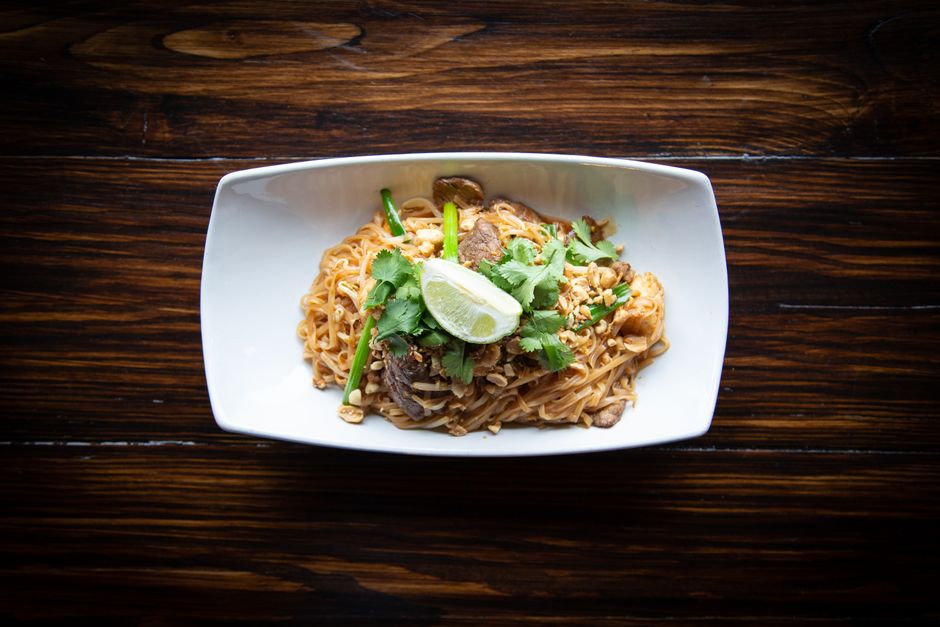
You'll notice differences if you've eaten this dish in Thailand or in a very traditional Thai kitchen.
Authentic drunken noodles have these markers: fresh rice noodles (not dried), fresh Thai basil (not cilantro), whole chilies in the sauce, and a glossy finish from proper wok heat. The noodles should have a slight char and the vegetables should have texture.
Americanized versions sometimes substitute regular basil, use less spice, or add soy sauce where they shouldn't. Neither is "wrong"—it's just about knowing what you're getting.
Seattle's Thai restaurants mostly fall on the authentic side. The city has a strong Thai community and food-conscious diners who call out shortcuts. That works in your favor.
Other Noodle Dishes Worth Trying in Seattle
While you're hunting for drunken noodles, know that Seattle Thai spots usually nail these too:
- Pad see ew: Soy-based, slightly sweet, with thick rice noodles and Chinese broccoli.
- Rad nah: Rice noodles under a gravy sauce with vegetables and meat.
- Pad kee mao (another name for drunken noodles): Same dish, different name.
- Crispy chow mein: Thinner noodles, stir-fried until the edges crisp up.
If a restaurant's drunken noodles are solid, their other noodle dishes usually are too. That's a good test when you're deciding where to order.
Pro Tips for Your Next Order
Know these before you call or click to order.
- Peak times: Thai restaurants get slammed around lunch (11:30am-1pm) and dinner (5:30pm-7pm). Order outside these windows if you want faster service.
- Seasonal ingredients: Thai basil availability can vary. If a restaurant is out, ask what they'd recommend instead (usually cilantro or mint).
- Call ahead if you want extra customization: If you have specific requests, a quick call is faster than trying to explain through an online form.
- Tip the kitchen: Noodle work is skilled labor. Tip accordingly.
- Take photos if you're into that: Drunken noodles are genuinely photogenic. The vibrant greens and reds are worth capturing.
When you're ready to explore drunken noodles in your neighborhood, Yoksod Noodles and Thai is a solid option to compare against other local spots. You'll get an idea of what quality execution looks like, and you can benchmark other restaurants against that standard.
FAQs About Thai Drunken Noodles in Seattle
Are drunken noodles actually made with alcohol?
No. The name refers to the spicy, bold flavor profile, not actual alcohol content. Some traditional recipes use a tiny splash of whiskey or rum in the sauce, but most restaurants in Seattle don't. If alcohol content matters to you for any reason, ask when you order.
Can I make drunken noodles at home?
Yes, but you need fresh Thai basil, fresh rice noodles, and decent heat on your stove. A wok or large skillet works. The ingredient list is short (garlic, chilies, soy sauce, basil, fish sauce, a little sugar), but execution matters. If you're new to Thai cooking, order a few times first to understand what "done" looks like.
What if I don't like spicy food?
Ask for mild or no-spice drunken noodles. Restaurants will adjust. You'll still get the garlic-basil flavor, just less heat. It won't be the "traditional" dish, but it's a legit way to enjoy the dish if spice isn't your thing.
How much does drunken noodles cost in Seattle?
Most Seattle Thai restaurants charge $12-18 for a bowl of drunken noodles depending on protein and location. Capitol Hill spots run slightly higher. Central District and outer neighborhoods are usually $2-3 cheaper. Check before you order, but you're in a reasonable range for quality Thai food.
Hungry?
Order Now →