
A casual Thai dining experience in Seattle means finding a place where you can walk in, sit down, and get real Thai food without pretension or a massive bill. It's noodle shops, intimate corner spots, and family-run restaurants where the chef actually knows what they're doing. Seattle's Thai scene has exploded over the past few years, and if you know where to look, you'll find some genuinely delicious meals that transport you straight to Bangkok.
What Defines a Casual Thai Dining Experience
Casual Thai dining isn't about fancy plating or white tablecloths. It's about authenticity, fresh ingredients, and flavors that hit different. You're looking for places where the menu reflects actual Thai cooking, not Americanized versions of pad Thai.
Related: Fresh Thai Spring Rolls in Seattle, WA: Where to Find & How to Order
Related: Authentic Thai Noodles in Seattle: Where to Find the Real Deal
A real casual Thai spot has a few key markers. The kitchen uses quality ingredients like fresh basil, proper fish sauce, and chilies that aren't just for show. The staff knows their food and can explain what you're ordering. Prices stay reasonable because the focus is on getting people fed well, not maximizing profit margins.
In Seattle specifically, this means finding noodle shops and neighborhood restaurants where Thai families and food lovers actually eat. These places tend to have a relaxed vibe, simple décor, and a menu that changes with the seasons based on ingredient availability.
The Seattle Thai Food Scene Right Now
Seattle's casual Thai dining landscape in 2026 is more vibrant than ever. Restaurants like Gao Lhao Bangkok Noodle Shop, Larb Thai, and TK Noodle Café represent a newer wave of Thai establishments that focus on specific regional dishes and traditional preparation methods.
What's interesting about Seattle's Thai scene is the diversity. You've got dedicated noodle shops that specialize in khao soi (that rich, Northern Thai curry noodle soup that's absolutely addictive). You've got spots focused on larb, the minced meat salad that can be a total game-changer if it's made right. And you've got places like Yoksod Noodles and Thai that nail the balance between authentic recipes and accessibility for the neighborhood crowd.
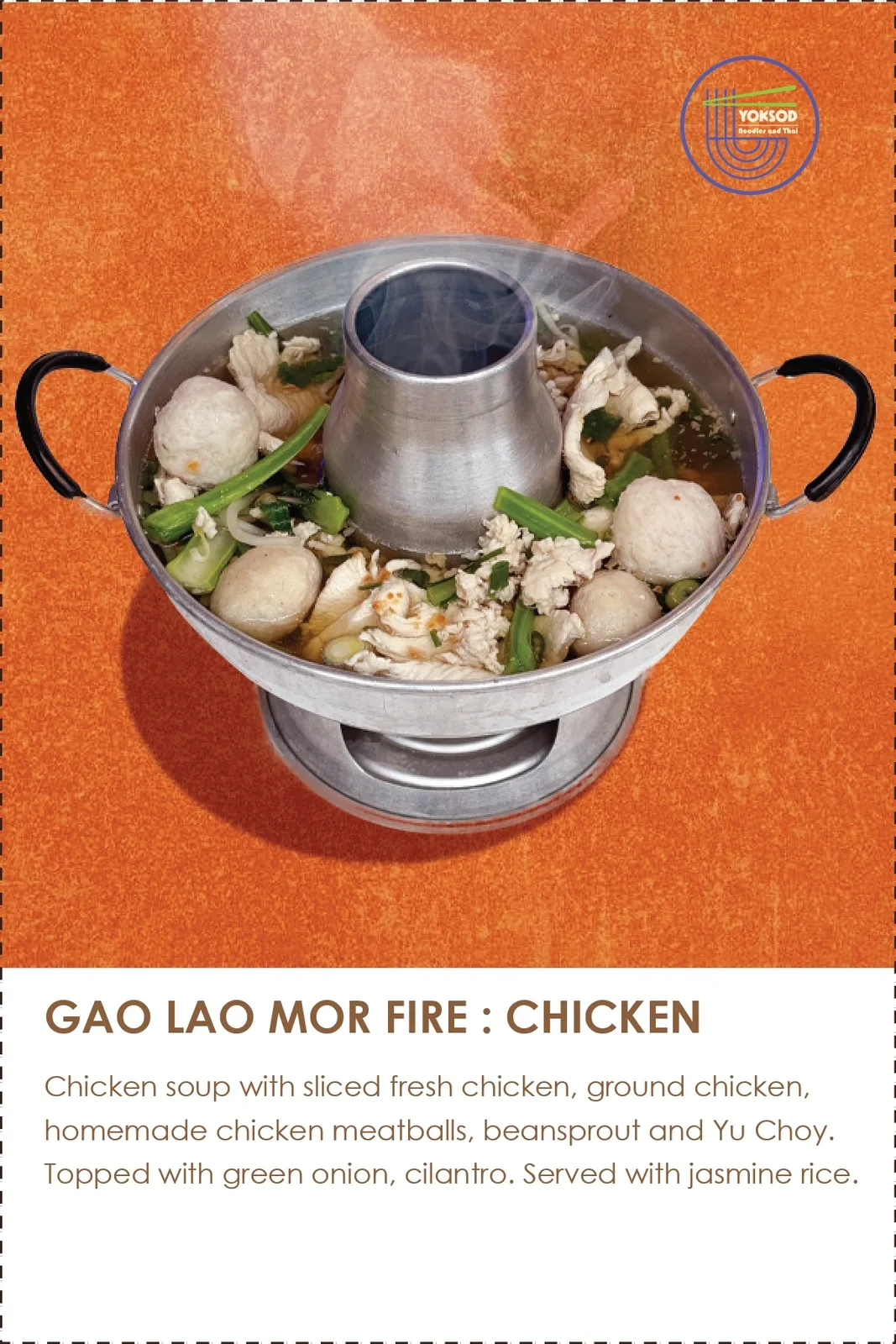
Recent evaluations of Seattle's restaurant scene included visits to over 45 establishments, giving us a solid picture of where quality Thai food is actually happening. The consensus? Seattle residents have access to some legitimately good casual Thai dining if you know where to look.
Signature Dishes That Define Casual Thai
When you're hunting for a casual Thai dining experience, certain dishes tell you everything about a restaurant's commitment to authenticity.
Pad Thai seems simple, but it's a litmus test. Good pad Thai has balance: sweet from palm sugar, salty from fish sauce, tangy from lime, and a little heat from chilies. If a restaurant nails pad Thai, they understand Thai flavor fundamentals.
Thai curries (red, green, yellow) reveal how a kitchen handles coconut milk and spice levels. A real casual spot won't dumb these down. You should taste complexity, not just heat.
Khao soi is the Northern Thai noodle dish that separates casual spots from places just going through the motions. It's labor-intensive, it requires technique, and it's not on every menu. When you find it done right, you know you've landed somewhere special.
Papaya salad (som tam) shows freshness and precision. This isn't a dish you can make in advance. It demands proper technique and ripe papayas.
How to Spot an Authentic Casual Thai Restaurant

You want to walk in somewhere and immediately feel like this is a place that takes Thai food seriously. Here's what to look for:
- The menu includes regional dishes, not just the standard tourist hits
- You see Thai families eating there, especially during lunch
- Prices are moderate (you're spending $12-18 per entree, not $25+)
- The restaurant either has dine-in seating or a setup that clearly takes care with to-go orders
- Staff can explain dishes in detail and make recommendations based on spice preference
- Ingredients look fresh and kitchen smells like real Thai cooking (fish sauce, lemongrass, thai chilies)
Another good sign? The restaurant either does online ordering well or encourages phone orders so you can communicate directly about customization. Places like Yoksod Noodles and Thai understand that casual dining means meeting customers where they are, whether that's a walk-in or an online order system that actually respects the integrity of the dish.
Hungry?
Order Now →Navigating Seattle Neighborhoods for Thai Food
Different Seattle neighborhoods have their own Thai dining personalities. Capitol Hill has several casual spots packed with food enthusiasts. The University District has college-friendly pricing and student-tested spots. Downtown Seattle has options for lunch breaks and after-work meals.
South Seattle neighborhoods tend to have some of the most authentic and lowest-key spots. These are where you find real community restaurants that have been doing the same thing for years.
If you're willing to venture slightly outside the city, Vashon Island has May Kitchen and Bar, which has become a celebrated destination for Thai food. It's worth the ferry trip if you've got time.
Understanding Thai Spice Levels and How to Order
Here's something important: Thai restaurants in Seattle have learned to respect different heat tolerances, but they also don't want to water down their food. When you order, be honest about what you can handle.
Most places will ask "how spicy?" Use a scale: 1-2 for mild, 3 for medium, 4-5 for authentic Thai heat. If you're new to Thai food, start at 3 and work your way up. The chili heat is part of the flavor profile, not just painful.
Don't be shy about asking for modifications either. Good casual Thai spots will adjust sodium, sweetness, or spice without making you feel difficult. They want you to enjoy your meal.
Why Fresh Ingredients Matter in Casual Thai Dining

Authentic Thai cooking depends on fresh ingredients in ways that some other cuisines don't. Thai basil, cilantro, lime, chilies, and lemongrass are non-negotiable. You can tell immediately when a restaurant is using quality ingredients versus shortcuts.
According to nutritional guidance on whole foods and ingredients, fresh herbs and quality produce aren't just about flavor, they bring nutritional benefits too. Thai cuisine's heavy use of fresh vegetables, herbs, and lean proteins aligns naturally with balanced eating patterns.
This is why casual Thai spots that source locally when possible (like Seattle restaurants that get produce from Pike Place Market or local farms) often stand out. You taste the difference.
Dine-In vs. Online Ordering for Casual Thai
Both have their place in a casual Thai dining experience. Dine-in lets you soak up the atmosphere, watch the kitchen work, and get hot food served immediately. Online ordering from places like Yoksod Noodles and Thai gives you convenience without sacrificing quality if the restaurant packs carefully and you're eating within 15-20 minutes.
The best casual Thai restaurants handle both well. They don't cut corners on to-go orders, and their dine-in experience isn't just better because you're there, it's genuinely thoughtful.
If you're ordering online, pick up when you can rather than delivery when possible. Your food gets to you faster and hotter.
Building Your Casual Thai Dining Favorites
The beauty of Seattle's casual Thai scene is that you get to know places. Pick a few spots, become a regular, learn the menu, ask the staff for recommendations based on what you're craving that day.
Try different restaurants to find your style. Some people want a noodle-focused spot, others need a curry specialist, some just want pad Thai done perfectly. The casual Thai dining experience is actually about finding your people and your food, then keeping going back.
What makes Thai food different from other Asian cuisines?
Thai cooking balances four core flavors simultaneously: salty (fish sauce), sweet (palm sugar or other sweeteners), sour (lime or tamarind), and spicy (chilies). That balance is the key to Thai food tasting right. Other Asian cuisines emphasize these differently or in different combinations. Thai food also uses fresh herbs aggressively (basil, cilantro, mint) and tends toward lighter broths compared to some Chinese or Vietnamese dishes.
Is it okay to ask a Thai restaurant to make something less spicy?
Absolutely. Good casual Thai restaurants understand that different people have different heat tolerances. Tell them honestly. The chili isn't the entire point of the dish; it's one layer of flavor. A skilled kitchen can dial it back without losing what makes the food special. Just be specific: are you asking for less chili, or less overall heat?
What's the best way to experience casual Thai dining in Seattle if I'm new to the food?
Start with dishes that are flavorful but not terrifying: pad Thai at a 2-3 spice level, a mild curry with coconut milk, or a simple stir-fried noodle dish. Ask the staff what's popular with people who are new to Thai food. Go to a place where you can sit down and eat, not just grab and go, so you can experience the food properly. Then expand from there as your palate adjusts.
How do I know if a casual Thai restaurant is using authentic recipes?
Look for regional specificity (do they distinguish between red curry and massaman curry, or do they treat all curries the same?). Check if they have lesser-known dishes like khao soi, larb, or som tam, which require actual knowledge. Ask staff where the recipes come from. Real casual Thai spots often have family connections to Thailand or have spent time training in Thai kitchens. The staff's enthusiasm about the food tells you a lot too.
Hungry?
Order Now →