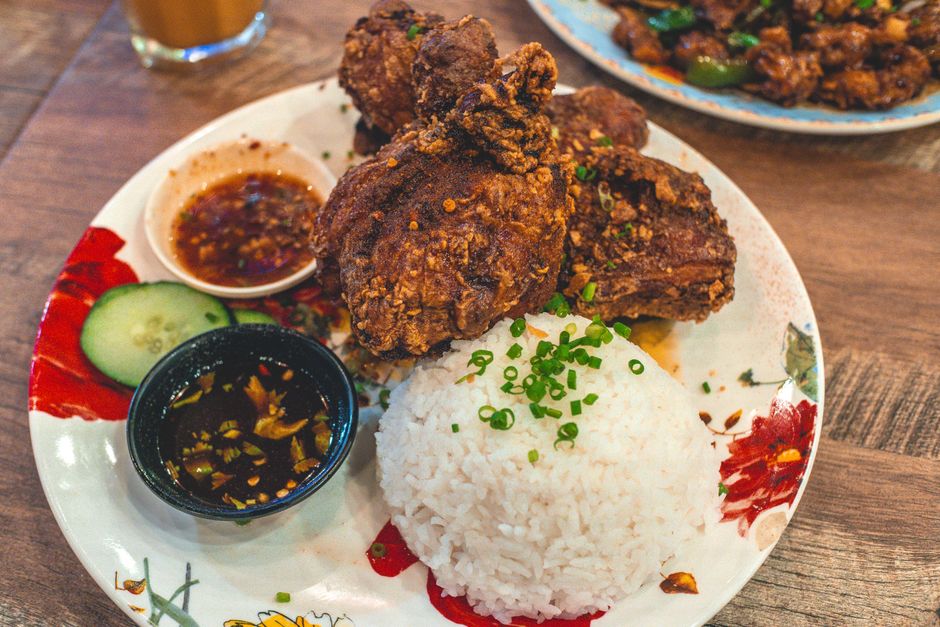
If you're searching for authentic Thai food in West Seattle, you're in luck. The neighborhood has several restaurants serving up traditional Thai dishes made with real ingredients and authentic recipes. Whether you want to sit down for a full meal or grab something quick, there are genuinely good options waiting for you.
Let's walk through what makes Thai food special, where to find it in your area, and how to know you're getting the real deal.
What Makes Authentic Thai Food Different
Thai cuisine is all about balance. Every dish aims to hit four main flavor notes at once: salty, sour, sweet, and spicy. This isn't an accident. It's the foundation of how Thai cooks think about food.
Real Thai cooking uses fresh ingredients. We're talking about things like Thai basil (different from the Italian stuff), fresh lime juice, coconut milk, galangal, and lemongrass. When a restaurant sources these properly, the food tastes completely different from places cutting corners.
The other thing that sets authentic Thai apart is the technique. Stir-fries need to be done hot and fast. Curries need time to develop. Soups need the right balance of broth, protein, and aromatics. It's simple food in theory, but it demands respect and skill to execute well.
Top Thai Restaurants in West Seattle
West Seattle has a few established Thai spots worth visiting. Srivilai Thai Cuisine sits on California Avenue Southwest and has been serving the neighborhood for years. They're open Monday through Thursday from 11 AM to 9 PM, and they handle both dine-in and takeout orders. Their menu covers all the classics: pad thai, green curry, tom yum soup, and larb.
Buddha Ruksa is another solid choice located on Genesee Street. They split their service into lunch (11 AM to 3 PM) and dinner (3 PM to 9 PM), so timing matters if you're planning a visit. This separation lets them keep lunch prices reasonable and focus on different menu items during each period.
Both restaurants handle traditional Thai dishes the way they're meant to be prepared. If you're the type who appreciates when a kitchen takes their craft seriously, either spot delivers.
When you're exploring Thai food in West Seattle, also keep an eye out for newer spots opening in the neighborhood. The Thai food scene keeps growing as more people discover what real Thai cooking tastes like.
What to Order (And Why)
Start with a soup if you want to understand how a restaurant approaches Thai food. Tom yum (spicy and sour) or tom kha gai (coconut-based) are perfect indicators. A good tom yum has punch. It should make your mouth wake up. If it tastes watered down, the kitchen isn't taking their job seriously.
Curries are another great test. Green curry is spicier than red. Yellow curry is milder and earthier. Panang curry is rich and slightly sweet. Order whatever heat level you like, but pay attention to whether the coconut milk and curry paste are actually balanced, not just dumped in a pot together.
Stir-fries like pad thai, pad krapow (basil stir-fry), and pad see ew (wide noodle stir-fry) should taste fresh and have a slight char. Soggy noodles mean the kitchen got lazy or the order sat too long.
Salads like larb (minced meat with herbs and lime) and som tam (papaya salad) showcase the sour and spicy balance Thai food is famous for. These dishes are flavor bombs if made right.
Don't skip rice. Jasmine rice is the standard, and it should be fluffy, not mushy or hard. Good rice is honestly one of the easiest ways to tell if a restaurant cares about quality.
Dine-In vs. Online Ordering

Here's the honest truth: Thai food is better when you eat it fresh, straight from the kitchen. That said, if you're ordering online, most West Seattle Thai restaurants can handle it well.
If you're dining in, you get the full experience. The kitchen can time everything perfectly so curries, soups, and stir-fries all arrive at the right temperature. You also get to enjoy the atmosphere and the restaurant's energy, which matters more than people think.
Online ordering works best for dishes that travel well. Curries hold their heat and flavor. Fried rice stays good. Stir-fries can get a little softer, but they're still solid. Soups and really delicate dishes might not be ideal for takeout, but most restaurants pack them carefully anyway.
If you want the absolute best experience and you have the time, sit down. If you need it fast or prefer eating at home, order online. Both options are totally valid.
How to Know You're Getting the Real Thing
A few red flags to watch for: If the menu has every dish in multiple styles (pad thai, pad thai with chicken, pad thai with tofu, pad thai with shrimp, pad thai with four proteins), that's often a sign they're batch-cooking rather than making things fresh. Real Thai restaurants usually stick to protein choices, not endless variations.
Check if they use fresh herbs. Dried basil tastes completely different from Thai basil. Real Thai food should smell amazing when it comes out. If it smells generic or bland, something's off.
Ask the staff what's spicy. A restaurant that understands Thai food will be honest about heat levels. If they tell you "three stars is spicy," that's someone who knows their audience and their kitchen.
Watch the prices. Thai food doesn't need to be cheap or expensive. It needs to be fair. A curry with chicken and rice should be reasonable. If it's way cheaper than everywhere else, they might be cutting corners on ingredients. If it's way more expensive, you should get something special out of it.
Making Thai Food Part of Your West Seattle Routine
Once you find a Thai spot you love, come back. Build a relationship with the staff. Let them know how you like your food. If you ask for extra spice or a specific level of heat, they'll remember next time. Good Thai restaurants are built on regulars who keep coming back.
Try new things. Just because you love pad thai doesn't mean you should order it every time. Expand into curries, stir-fries, soups, and salads. Thai cuisine has so much depth, and exploring it makes the whole experience richer.
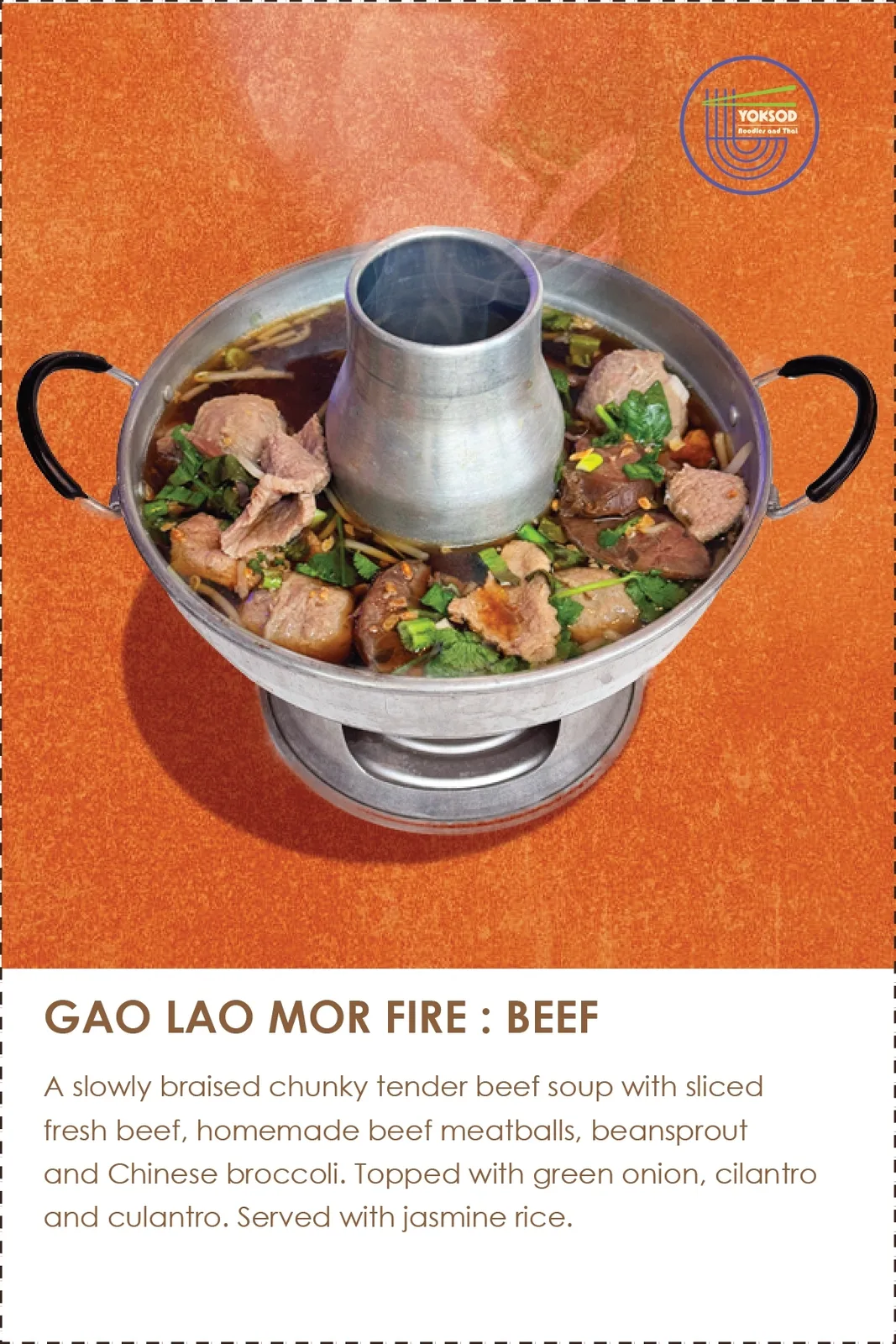
If you want to explore different interpretations of Thai cooking or try something with a unique twist on traditional recipes, Yoksod Noodles and Thai brings their own approach to authentic Thai flavors with thoughtful sourcing and technique.
Hungry?
Order Now →Related: Thai Basil Noodles in Seattle: Where to Find Authentic Flavors
Related: Authentic Thai Noodles in Seattle: Where to Find the Real Deal
Related: Casual Thai Dining in Seattle: Where to Find Authentic Flavors
FAQs About Thai Food in West Seattle

What's the difference between Thai and other Southeast Asian food?
Thai food emphasizes that four-flavor balance we mentioned: salty, sour, sweet, and spicy. Vietnamese food tends to be lighter and emphasizes fresh herbs more. Laotian food (which you'll see on some menus) is similar to Thai but usually less creamy and less sweet. Cambodian food sits somewhere in between. All of them are delicious, but Thai has its own signature.
Is all Thai food really spicy?
Not at all. Spice is one layer, not the whole point. Many Thai dishes can be made mild. Yellow curry, Panang curry, tom kha gai soup, and pad thai are all naturally on the gentler side. Ask for low spice and you'll still get the real deal.
What should I order if it's my first time at a Thai restaurant?
Start with tom kha gai (coconut chicken soup), pad thai, and a mild curry like yellow or Panang. These are gentle introductions that show off what Thai cooking can do without overwhelming your palate. Then branch out from there.
Can I get vegetarian Thai food?
Absolutely. Most Thai restaurants can make almost any curry or stir-fry vegetarian or vegan by swapping out the protein for tofu or vegetables. Soups can be made with vegetable broth. Just ask, and the kitchen will handle it.
Hungry?
Order Now →