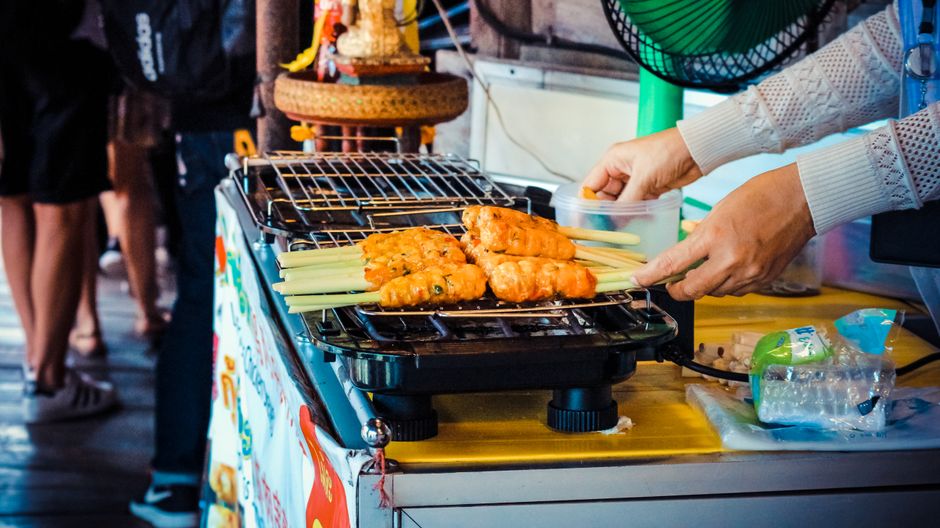
Thai satay skewers are one of those dishes that taste like street food magic on a stick. If you're hunting for Thai satay skewers near Seattle, you're looking for grilled meat on skewers paired with rich peanut sauce and fresh accompaniments that hit all the flavor notes at once.
Here's the good news: authentic satay doesn't have to be hard to find. Once you know what you're looking for, you'll spot quality skewers pretty easily.
What Makes Authentic Thai Satay Skewers
Real Thai satay starts with the marinade. Lemongrass is the signature ingredient that gives satay its distinctive, aromatic flavor. This isn't just any grilled meat on a stick—it's a carefully flavored dish where the marinade does the heavy lifting.
Related: Thai Basil Noodles in Seattle: Where to Find Authentic Flavors
Related: Thai Food West Seattle: Where to Find Authentic Flavors
Related: Authentic Thai Noodles in Seattle: Where to Find the Real Deal
Related: Casual Thai Dining in Seattle: Where to Find Authentic Flavors
The meat matters too. Traditionally, satay is made with pork, but you'll also find chicken and beef versions. If you're ordering chicken satay, the best restaurants use chicken thighs instead of breast meat. Why? Thighs stay tender and juicy when grilled, while breast can dry out.
The cooking method is crucial. Satay gets grilled or seared on a griddle, not just thrown on any heat source. The meat is actually smashed onto the skewer before cooking, which helps it stay put and creates better texture throughout.
The Complete Satay Experience
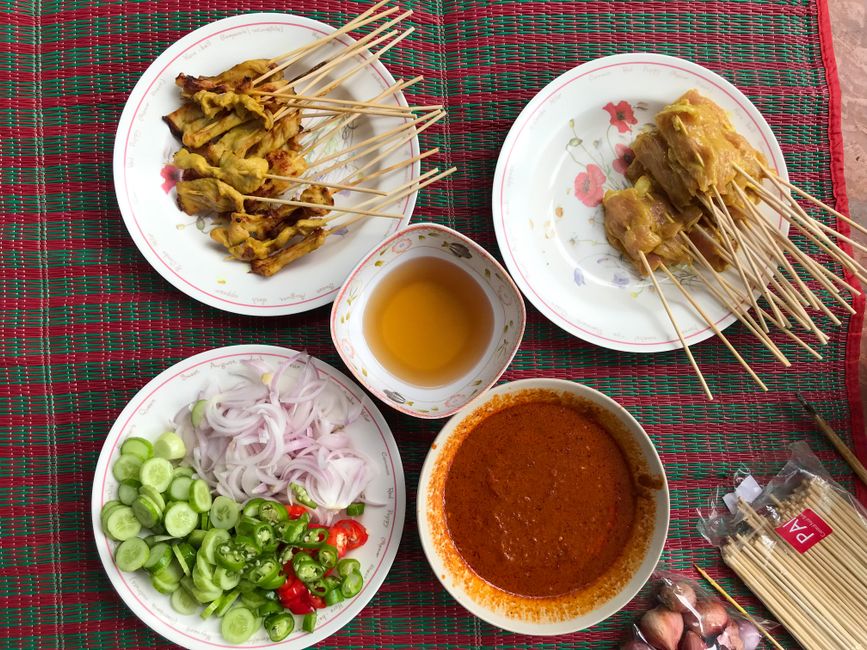
Satay doesn't show up alone on your plate. Here's what you're getting when you order authentic skewers:
- Peanut sauce: This is the main event. A rich, complex sauce that balances savory, slightly sweet, and spicy notes.
- White rice: Your base, absorbing all those incredible flavors.
- Fresh cucumbers: Sliced thin, they add crunch and cool balance.
- Fresh peanuts: Sometimes crushed, sometimes whole, giving you extra texture and flavor punch.
- Red chili peppers: Often included as a garnish or side element for those who like extra heat.
The best satay places layer these elements thoughtfully. The fresh vegetables aren't just decoration—they're part of the dish, balancing the richness of the peanut sauce and the salty-savory grilled meat.
How to Spot Authentic Satay in Seattle
When you're looking for quality satay near you, pay attention to a few things:
Check the marinade profile. Ask if they use lemongrass. If they don't mention it or seem unsure, that's a red flag. Authentic satay has that distinctive lemongrass aroma.
Look at the meat preparation. Does it look like solid pieces smashed onto skewers, or loose, crumbly meat? Good satay holds together because of how it's constructed.
Examine the peanut sauce. It should be rich and complex, not thin or overly sweet. The sauce is where a lot of the authentic flavor lives.
Notice the fresh components. If cucumbers and fresh elements are there, that's a good sign. These details matter in Thai cooking.
When you're ready to try authentic satay, Yoksod Noodles and Thai offers traditional preparations made with attention to every element we've covered here.
Hungry?
Order Now →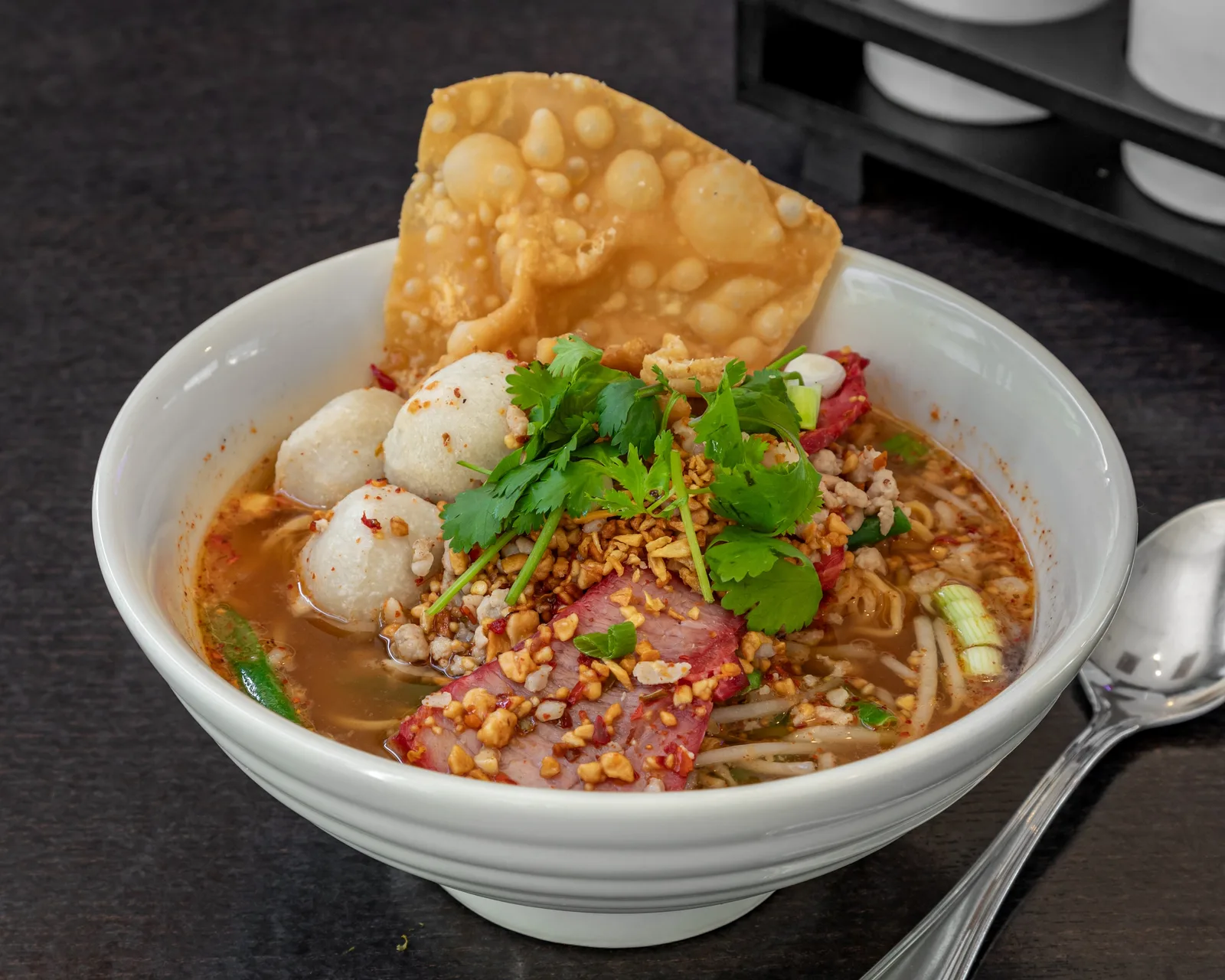
Flavor Profile: Why Satay Tastes So Good

Satay works because it combines bold, complex flavors that shouldn't work together on paper—but absolutely do on your plate.
Lemongrass brings a citrusy, aromatic note. The grilling adds smoky, charred depth. Peanut sauce contributes richness and slight sweetness. Fresh vegetables cut through all that weight with brightness and crunch. Spice from the chili adds complexity.
It's not a one-note dish. Every bite teaches you something different depending on what you pick up—a chunk of meat, a piece of cucumber, more peanut sauce.
The Street Food Heritage
Understanding where satay comes from helps you appreciate why it's made the way it is. Satay is quintessential Thai street food. It was designed to be eaten quickly, with your hands, in warm weather. It travels well. The flavors are bold enough to stand up on their own. The fresh elements keep it feeling light despite the rich sauce.
When you're eating satay, you're eating something with real history and purpose behind it. That's not accident—that's intentional design.
What to Order When You Find Good Satay
Most Thai restaurants in the Seattle area offer satay in a few different ways. You might see it as an appetizer (usually 4-6 skewers), or as part of a larger meal. Some places do combo plates with different proteins.
Pro tip: if you're new to satay, start with chicken. It's mild enough that you can focus on the flavors without worrying about a strong meat taste. Once you know what you like, try pork or beef.
Order extra peanut sauce. Seriously. You'll want it for dipping vegetables, rice, or just eating straight with a spoon if we're being honest.
If you want satay made with care and authentic technique, check out what Yoksod Noodles and Thai offers. You can dine in or order online depending on what works for your schedule.
Finding Satay in Your Seattle Neighborhood
When you search for Thai satay skewers near your location, you're probably going to get a mix of results—some great, some mediocre. The difference usually comes down to ingredients and technique.
Good satay takes time. The marinade needs time to work. The skewering needs to be done right. The grilling needs attention. If a place is rushing through it, you'll taste the difference.
Look for restaurants that focus on doing Thai food well, not places that treat Thai as one of many cuisines they half-heartedly offer. Specialists do better work.
Making Satay at Home vs. Ordering Out
You can make satay at home. It's not impossible. But it requires a few things: good lemongrass (fresh, not dried), proper skewers, and ideally a grill or griddle.
The peanut sauce especially is worth getting right. A homemade version is doable if you're into cooking, but it takes time and ingredient sourcing.
Honestly? When a restaurant has already done the work to get the marinade balanced right, the sauce perfected, and the technique down, it's worth letting them handle it. Satay is one of those dishes where the restaurant prep makes a real difference.
Pairing Satay with Other Thai Dishes
If you're ordering satay as part of a bigger Thai meal, think about balance. Satay is rich and protein-forward. Pair it with something lighter or more broth-based—a curry or a noodle soup works well.
Some people like to start with satay as an appetizer, then move into a larger entrée. That's a solid strategy if you're exploring what a restaurant offers.
People Also Ask
What's the difference between satay and other grilled Thai meat dishes?
Satay is specifically marinated meat on skewers, served with peanut sauce. Other grilled Thai dishes might be served differently, with different sauces, or not on skewers at all. The marinade (especially lemongrass) and the peanut sauce are what make satay satay.
Is Thai satay always spicy?
The peanut sauce can be made less spicy or more spicy depending on the restaurant and your preference. The base satay preparation isn't necessarily "hot"—it's more about complex, layered flavor. You can ask for mild sauce when ordering if heat isn't your thing.
Can I get satay delivered in Seattle?
Yes. Many Thai restaurants in the Seattle area offer online ordering with delivery. Quality satay travels reasonably well if packaged right—the sauce stays separate until you eat, so the skewers don't get soggy.
What should I look for in a good peanut sauce?
Good peanut sauce is rich, slightly thick, and balanced. It should taste like more than just peanut—there's usually coconut, spice, and savory depth. It shouldn't be thin or watery. When you dip a piece of meat or cucumber in it, the sauce should coat and cling.
Hungry?
Order Now →