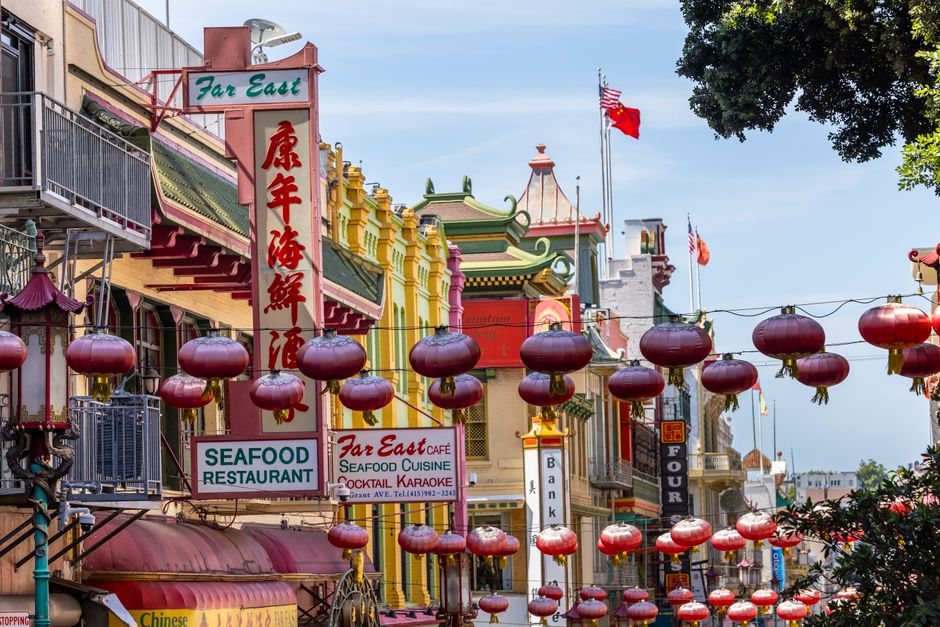
When you search for a "far east restaurant," you're probably craving authentic Thai food—and honestly, that search deserves real answers. A far east restaurant typically means a place serving Southeast Asian cuisine, with Thai being the most popular choice. But not all Thai spots are created equal. Some nail the flavors, fresh ingredients, and traditional techniques. Others... not so much.
Here's what separates a genuinely good far east restaurant from just another place slinging noodles.
Related: Best Thai Noodle Restaurant Delivery in Seattle, WA
Related: Best Thai Noodle Restaurant 2026: Top 5 Seattle Spots Ranked
Related: Best Authentic Thai in Seattle 2026: Top 6 Ranked
Related: Authentic Thai Green Curry Recipe: Step-by-Step Guide
Related: Seasoning Thai Bistro Guide: Flavors & Fresh Dishes
What Defines a Far East Restaurant
A far east restaurant is basically any dining spot specializing in cuisine from Asia, especially Southeast Asia. But in most neighborhoods, when people say "far east restaurant," they're talking Thai, Vietnamese, or Chinese food.
The best ones—like Yoksod Noodles and Thai—focus on authenticity. That means traditional recipes, fresh ingredients sourced properly, and cooks who actually know the regional techniques.
Related: Best Thai Tom Yum Soup Near Seattle, WA | Authentic & Fresh
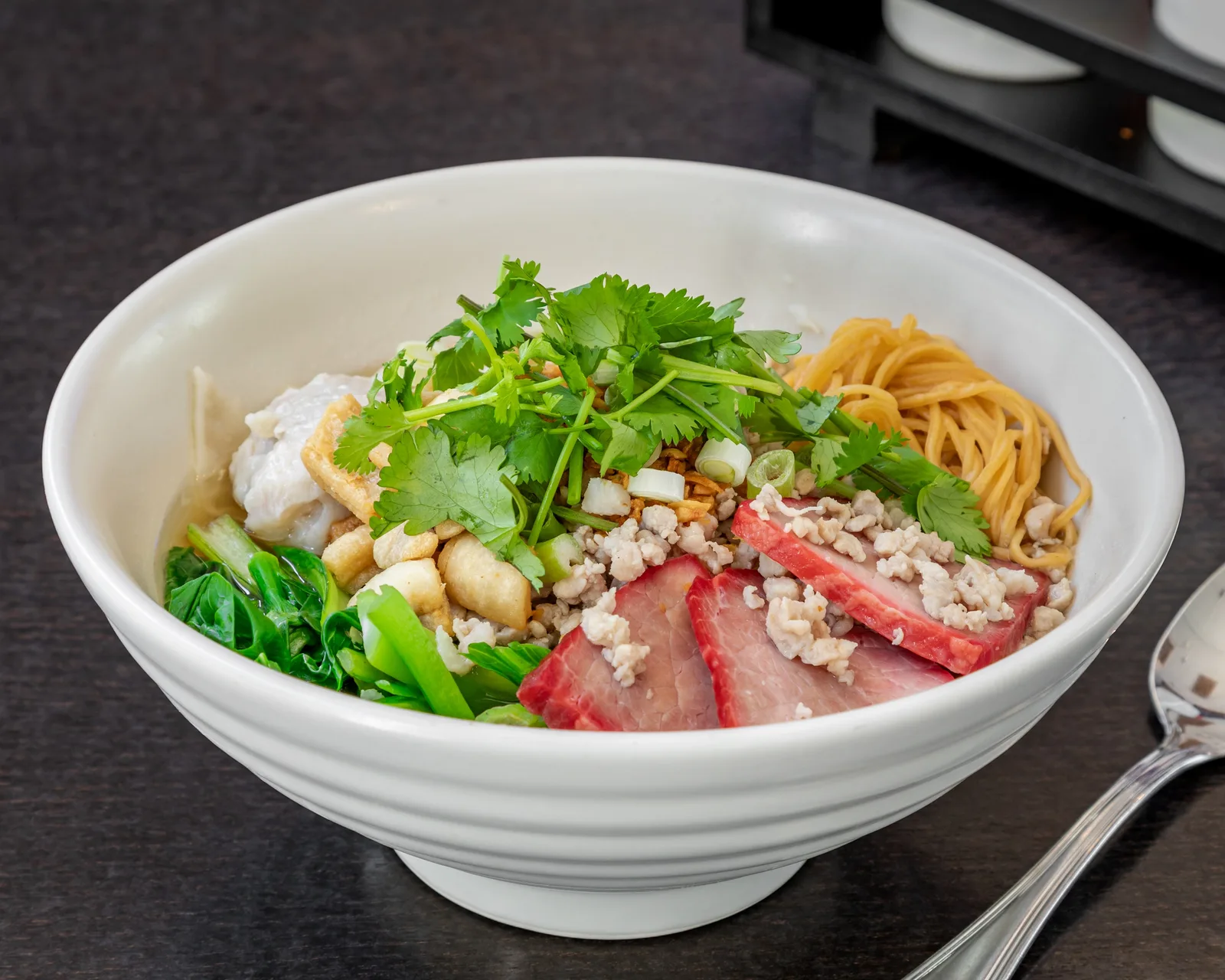
Signature Dishes You'll Find at Any Legit Far East Restaurant
When you walk into a real far east restaurant, certain dishes should appear on the menu. These aren't random—they're the backbone of Thai cuisine.
Tom Yum Soup
This is the gold standard. A good tom yum has that perfect balance of spicy, sour, and aromatic. You'll find versions with chicken, shrimp, or vegetables. The broth should taste fresh, not like it's been sitting for hours.
Tom Kah (Coconut Curry)
Creamy, rich, and comforting. Tom kah uses coconut milk as the base and pairs it with chicken or seafood. The flavors should be balanced—not one-note.
Kung Pao Chicken
This one's a crowd favorite and for good reason. Chicken, peanuts, and chilies in a savory sauce. When it's done right, every bite has texture and heat.
Pad Thai or Noodle Dishes
Noodles are essential at any far east restaurant. Whether it's stir-fried or in a broth, the noodles should have good texture and be coated evenly with sauce or flavor.
Dim Sum or Dumplings
Small plates, big flavors. Steamed shrimp dumplings, spring rolls, and other bite-sized items let you sample multiple flavors in one visit.
How to Spot a Quality Far East Restaurant
Not every far east restaurant is trustworthy. Here's what to look for before you commit to ordering.
Fresh Ingredients Matter
Ask yourself: Do they talk about where their ingredients come from? Are herbs and vegetables visibly fresh? Good far east restaurants don't cut corners here. Fresh basil, cilantro, and ginger make a massive difference in the final dish.
Menu Clarity
The best places label their spicy options clearly. They should also offer vegetarian, seafood, and meat versions of signature dishes. This shows they respect different preferences.
Staff Knowledge
When you ask a question about a dish, do they answer with confidence? Attentive staff who know their menu are a green flag. They can recommend dishes based on your heat tolerance and dietary needs.
Online Ordering and Accessibility
In 2026, any far east restaurant worth your time should offer online ordering. This shows they're keeping up with how people actually want to eat.
The Experience of Dining at a Far East Restaurant

Beyond the food, a far east restaurant should feel welcoming. You're not just getting a meal—you're getting a small taste of another culture and tradition.
Good places invest in atmosphere. Maybe there's soft music, warm lighting, and decor that reflects the region. The staff should greet you warmly, whether you're dining in or picking up an order.
When you visit a restaurant that truly cares about Thai authenticity, you notice it immediately. The care goes into every detail—from how dishes are plated to how spices are balanced.
What Makes Thai Food Different From Other Far East Cuisines
Thai cuisine stands out because of its philosophy on balance. Every dish should hit four flavor notes: spicy, sour, sweet, and salty. This balance is what makes Thai food so addictive.
Unlike some other Southeast Asian cuisines, Thai cooking relies heavily on fresh herbs like basil and cilantro. Heat comes from real chilies, not just hot sauce added at the end. And coconut milk appears in curries and soups, adding richness that's hard to replicate.
Understanding this helps you evaluate any far east restaurant. If a dish tastes one-dimensional or overly greasy, it's not hitting the mark.
How to Order at a Far East Restaurant Like a Pro
You want to get the best experience possible. Here's how.
- Ask about heat level: Tell them if you like mild, medium, or very spicy. Most places will adjust based on your preference.
- Order a variety: Get one curry, one noodle dish, one soup, and maybe some dumplings. This gives you a fuller sense of what they can do.
- Don't skip the sides: Rice, extra herbs, and lime wedges let you customize your plate as you eat.
- Ask for recommendations: Staff at quality far east restaurants love talking about their best dishes. Listen to them.
Whether you're ordering takeout or dining in, treating the ordering process like a conversation (not just a transaction) usually results in better food. That's when a far east restaurant really shines.
Finding the Right Far East Restaurant in Your Area

So how do you actually find a solid far east restaurant near you?
Start by reading reviews, but read them carefully. Look for mentions of specific dishes, ingredient quality, and staff attitude. Generic praise is less helpful than someone saying "the tom yum was perfectly balanced" or "they remembered I'm vegetarian on my second visit."
Check if they have online ordering or a website. A professional presence usually correlates with restaurants that care about consistency.
Visit in person if you can, even for a quick lunch. See how busy they are during peak times and how staff handles the rush. A far east restaurant that keeps quality high under pressure is worth keeping on your rotation.
If you're in the Seattle area and want to experience Thai food done right, Yoksod Noodles and Thai brings authentic flavors and fresh ingredients to every plate.
Health and Nutrition at a Far East Restaurant
Thai cuisine can be healthy if you're mindful. Dishes with lots of vegetables, lean proteins, and broth-based sauces are lighter options. According to Harvard School of Public Health's nutrition guidance, meals heavy in vegetables and moderate in healthy fats (like coconut oil in moderation) can absolutely fit a balanced diet.
Ask a far east restaurant about preparation methods. Are noodles stir-fried or served in broth? Can they go light on oil? Many restaurants are happy to adjust for dietary preferences or health goals.
What's the difference between Thai and other Southeast Asian cuisines?
Thai food emphasizes balance—spicy, sour, sweet, salty all together. Vietnamese cuisine tends to be lighter, with more fresh herbs and acidic elements. Chinese food varies widely by region but often uses soy sauce as the foundation. Each has its own identity, and a good far east restaurant specializes in one rather than trying to do everything mediocrely.
How do I know if a far east restaurant is using authentic recipes?
Authentic Thai restaurants usually have Thai staff or owners who learned cooking in Thailand or from Thai family members. They source proper ingredients like Thai basil (not just regular basil), fish sauce, and proper curry pastes. The flavor profile should feel balanced and complex, not one-note or oversalted.
Can I order from a far east restaurant online?
Most do now. Check their website or call ahead to confirm hours and minimum orders. Online ordering is convenient, but calling to ask questions about dishes or ingredients is still worth doing—talking to staff often gets you a better meal.
What should I expect to spend at a far east restaurant?
Prices vary widely by location and quality level. A mid-range far east restaurant in most US cities charges $12-$20 per entrée for dine-in, with lunch specials sometimes cheaper. Takeout prices are usually comparable. Premium spots or those in expensive areas might run higher. You get what you pay for, especially when it comes to ingredient quality.