When you walk into a seasoning Thai bistro, you're stepping into a world where every dish is balanced on a knife's edge between sweet, salty, sour, and spicy. That's the magic. Thai cuisine isn't just about throwing a bunch of spices together; it's about understanding how each flavor plays off the others to create something unforgettable.
If you're curious about what makes these restaurants tick, or you want to understand the philosophy behind authentic Thai seasoning, you've landed in the right place. Let's dig into what separates a real seasoning Thai bistro from the rest.
Related: Far East Restaurant Guide: Finding Authentic Thai Near You
What Makes a True Seasoning Thai Bistro Different?
A real seasoning Thai bistro isn't just a restaurant with Thai on the sign. It's a place where the chef understands the foundational flavors that make Thai food actually Thai.
Traditional Thai seasoning relies on five core elements: fish sauce (nam pla), lime juice, fresh chilies, garlic, and fresh herbs like cilantro and basil. These ingredients show up in nearly everything, but in different proportions depending on the dish. When a chef gets this balance right, it's pure harmony.
At places like Yoksod Noodles and Thai, you'll notice this commitment to balance in every bowl. They don't rely on pre-made sauces or shortcuts; they build flavor from scratch using fresh ingredients.
The Core Seasonings You'll Find in Every Seasoning Thai Bistro
Fish Sauce: This is the backbone. It smells intense on its own, but it rounds out flavors and adds umami depth. Every proper seasoning Thai bistro uses quality fish sauce as their foundation.
Lime Juice: Acidity is everything in Thai cooking. Fresh lime juice brightens dishes and cuts through rich curries. A bistro worth visiting squeezes lime to order, not from a bottle.
Fresh Chilies: Not just heat, but fruity, complex spice. Thai cooks use multiple chili varieties and adjust based on the season and what's available.
Garlic: Raw, fried, or cooked down, garlic is in almost every dish. It adds bite and depth without overpowering when done right.
Fresh Herbs: Thai basil (different from Italian basil), cilantro, and mint aren't garnish. They're key ingredients that add aromatic freshness to curries, noodles, and soups.
Palm Sugar: A touch of sweetness balances the salt and heat. Real seasoning Thai bistros use palm sugar rather than white sugar because it has more complexity.
How Seasoning Changes Between Dishes
One reason authentic Thai restaurants stand out is that they don't use a one-size-fits-all seasoning approach. A Tom Yum soup tastes completely different from a Green Curry, even though they share some base ingredients.
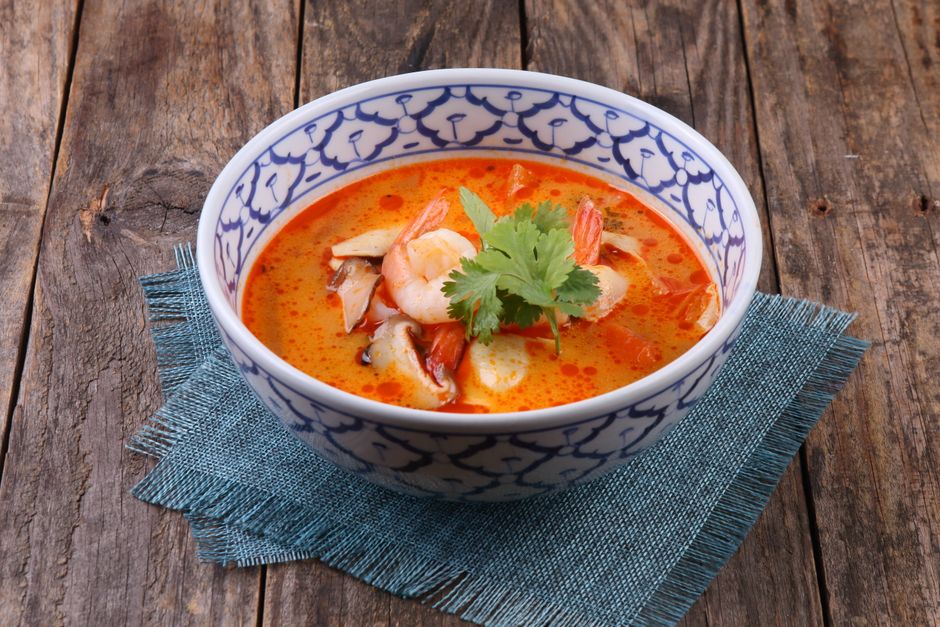
Tom Yum (Hot and Sour Soup): Heavy on lime, fish sauce, and fresh chilies. You get sharp acidity and heat with aromatic lemongrass running through everything.
Green Curry: Built on a paste of green chilies, garlic, shallots, and herbs. Coconut milk mellows everything out while the seasonings provide depth and spice.
Pad Thai: Balanced sweet, sour, and salty with tamarind as the sour element. It's lighter and more subtle than curries, letting the noodles and proteins shine.
Larb (Spicy Meat Salad): Raw or lightly cooked meat with lime, fish sauce, and fresh herbs. It's intense and bright, meant to wake up your palate.
What to Look For When Choosing a Seasoning Thai Bistro
Not all Thai restaurants understand seasoning the way they should. Here's what matters:
- Fresh Ingredients Visible: Can you see basil, cilantro, and lime? That's a good sign.
- Adjustable Heat: A real seasoning Thai bistro lets you control spice level because they build flavor, not just heat.
- Made to Order: If dishes come out in 30 seconds, something's off. Real seasoning takes time.
- No MSG Reliance: Good Thai food tastes good because of balance, not because of a flavor enhancer.
- Online Ordering Options: Places serious about quality often let you order directly, which also means fresher food and better control.
When you're hunting for quality, look for restaurants that understand that seasoning is craft, not accident. That philosophy is what separates a casual spot from a real bistro.
The Art of Balancing Spice Without Overdoing It
Here's something most people get wrong: a good seasoning Thai bistro doesn't make everything painfully spicy. Heat should enhance flavor, not hide it.
A skilled chef uses fresh chilies for their fruity, complex notes. They layer spice carefully so that you taste the lime, the fish sauce, the herbs, and the heat all at once. It's like conducting an orchestra where every instrument gets a turn.
When you order from a place that takes seasoning seriously, you'll notice spicy dishes are still flavorful and nuanced. You're not just sweating; you're actually tasting things.
This is exactly the philosophy you'll encounter when you order from Yoksod Noodles and Thai in Seattle. Every curry, every noodle dish, every soup is built on layers of flavor that respect your palate and the ingredients themselves.
Related: Best Thai Dishes Near Me in Seattle | Yoksod Noodles and Thai
Fresh vs. Dried Seasonings: Why It Matters at a Real Bistro
Fresh herbs and spices hit different than dried ones. A fresh Thai basil leaf tastes bright and peppery. Dried basil tastes like, well, hay.
A seasoning Thai bistro worth your money sources fresh ingredients regularly, sometimes daily. They understand that Thai cooking is about seasonal eating and ingredient quality, not convenience.
Fish sauce, garlic, chilies, lime, and herbs should all be used fresh. Some elements like dried spices are fine, but the core players in seasoning need to be fresh.
This commitment to freshness is what you want to find when you're choosing where to eat. It's the difference between a meal you forget and one you think about for days.
How to Appreciate Seasoning Thai Bistro Flavors at Home

If you want to understand seasoning Thai bistro cooking on a deeper level, spend time at places that do it right. Order different dishes. Ask questions. Notice how the seasoning shifts between menu items.
When you order online directly from a restaurant instead of using a delivery app, you often get better quality and fresher food. The seasoning stays intact, and you're supporting places that care about their craft.
Related: Best Fresh Thai Food Online Ordering in Seattle, WA
Related: Best Thai Tom Yum Soup Near Seattle, WA | Authentic & Fresh
Pay attention to balance. Notice how lime and fish sauce don't fight each other; they enhance each other. Watch how heat doesn't dominate the other flavors. That's real Thai seasoning at work.
Related: Best Thai Flavors Seattle 2026: Top 7 Ranked
Common Seasoning Mistakes to Avoid
If you've had mediocre Thai food, it's usually because of these seasoning missteps:
- Too Much Salt: Fish sauce is salty, but adding extra salt kills the complexity.
- Not Enough Acid: Without proper lime juice or tamarind, food tastes flat and one-dimensional.
- Pre-Made Sauces: Convenience kills flavor. Real seasoning Thai bistros make sauces fresh.
- Stale Herbs: Dead cilantro and basil taste like nothing. Fresh is non-negotiable.
- Skipping the Layers: Real seasoning isn't just spicy; it's layered, complex, and evolving as you eat.
When you're evaluating a seasoning Thai bistro, check if they avoid these traps. That's your signal they actually understand the craft.
Why Authentic Seasoning Thai Bistros Are Worth the Visit
In a world of quick, convenient food, a real seasoning Thai bistro is a small rebellion. These places refuse to cut corners on flavor or quality.
Every bowl is a conversation between the chef and you. The seasoning says: "We care about balance. We care about fresh ingredients. We care about you having a real experience."
That's what draws people back. Not just because the food tastes good, but because it tastes intentional.
If you're in Seattle and looking for authentic Thai food built on this foundation of careful seasoning and fresh ingredients, Yoksod Noodles and Thai delivers exactly that. Order online, dine in, or grab takeout. You're going to taste the difference that real seasoning makes.
People Also Ask
What is the most important seasoning in Thai cuisine?
Fish sauce (nam pla) is the foundation of Thai seasoning. It provides umami depth and richness to almost every savory dish. However, no single seasoning works alone; fish sauce, lime juice, fresh chilies, and garlic are equally critical and work together to create the balance that defines Thai food. Research on traditional Asian fermented seasonings shows how fish sauce contributes to both flavor and nutritional complexity.
Can you adjust spice levels at a seasoning Thai bistro?
Absolutely. A real seasoning Thai bistro will let you customize heat levels because spice is one element among many. You should be able to order mild, medium, or hot. Don't hesitate to ask; good restaurants want you to enjoy your meal exactly how you prefer it.
Why does Thai food taste different at a restaurant vs. at home?
Restaurants use fresh ingredients daily, build flavors in layers, and have equipment that produces high heat for proper seasoning development. They also use quality fish sauce, fresh herbs, and fresh lime juice. Most home cooks skip steps or use lower-quality ingredients, which changes the entire balance. Making Thai food at home works best when you invest in fresh ingredients and follow traditional techniques.
Is MSG used in authentic seasoning Thai bistros?
Good ones don't need it. Real Thai seasoning relies on fish sauce, fresh ingredients, and careful layering for umami depth. Some casual spots might use MSG as a shortcut, but a proper seasoning Thai bistro builds flavor naturally. If a restaurant is proud of its seasoning work, they won't hide behind additives.