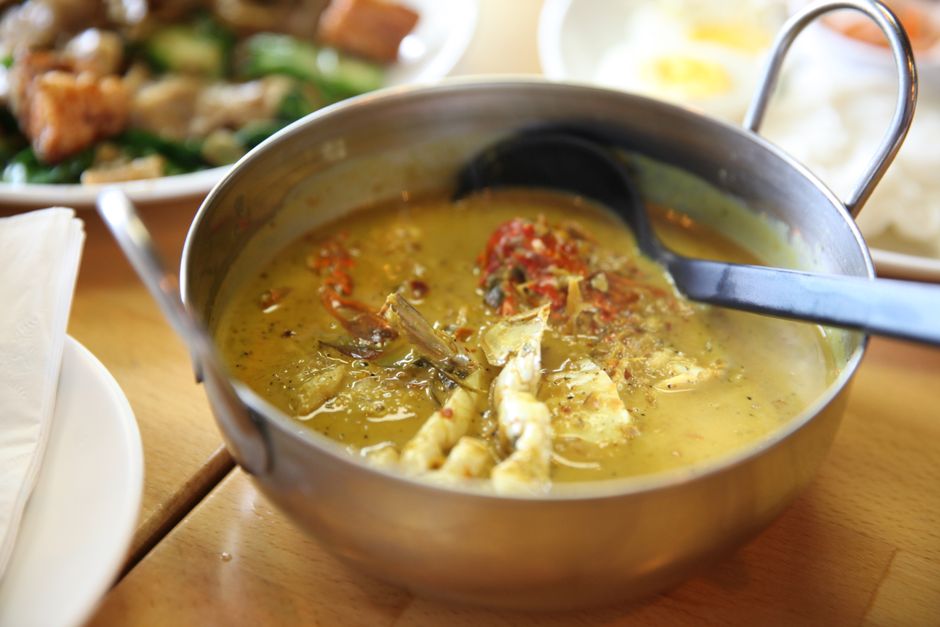
Thai curry (kaeng in Thai) is one of the most beloved dishes in Thai cuisine, and honestly, it's way simpler to make than you'd think. At its heart, it's a creamy, aromatic combination of curry paste, coconut milk, protein, and vegetables that comes together in about 30 minutes. Whether you're cooking at home or ordering from an authentic Thai restaurant, understanding what goes into a Thai curry helps you appreciate every spoonful.
The beauty of Thai curry is that it's forgiving. You don't need fancy equipment or hard-to-find ingredients. A pot, a spoon, and the basics are all you need to create something genuinely delicious.
What Exactly Is Thai Curry?
Thai curry is a traditional dish that blends three essential components: curry paste, coconut milk (or water), and your choice of protein and vegetables. The curry paste is the backbone, delivering heat, depth, and complex flavors from ingredients like chilies, garlic, lemongrass, and spices.
Related: How to Make Thai Pad Thai at Home: Easy Recipe
The coconut milk creates that silky, creamy texture you're craving, while also balancing the spice level. Meat, seafood, or even tofu adds substance, and vegetables bring freshness and nutrition to the pot.
What makes Thai curry special is the harmony between all these elements. It's not just about being hot or creamy; it's about how the flavors work together. That's the philosophy behind authentic Thai cooking, and when you taste it at Yoksod Noodles and Thai, you get that balance perfected.
Related: Authentic Thai Massaman Curry Seattle: Complete Guide
The Core Ingredients You Need
Let's break down what goes into a Thai curry so you know exactly what to look for at the grocery store.
- Curry paste: This is the shortcut that makes Thai curry accessible for home cooks. You can buy red, green, or yellow curry paste at most grocery stores. Green is spiciest, red is medium, and yellow is milder. Each one tastes different, so experiment to find your favorite.
- Coconut milk: Full-fat canned coconut milk works perfectly. It's what gives the curry its signature richness.
- Protein: Chicken, beef, shrimp, or tofu all work great. Cut it into bite-sized pieces so it cooks evenly.
- Vegetables: Bell peppers, snap peas, broccoli, carrots, zucchini, or green beans are all fair game. Use whatever you have on hand.
- Aromatics: Fresh garlic and ginger add depth, though many curry pastes already include these flavors.
- Fish sauce or soy sauce: A splash adds umami depth (optional but recommended).
That's it. You don't need anything exotic or expensive.
How to Make Thai Curry at Home
Here's a step-by-step breakdown so you can make Thai curry like a pro, even if this is your first time.
Step 1: Heat Your Pan
Use a large pot or deep skillet. Add a tablespoon of oil (vegetable or coconut) over medium-high heat. Let it get hot.
Step 2: Cook the Curry Paste
Add 2-3 tablespoons of curry paste to the hot oil. Stir it around for about 1-2 minutes. This "blooms" the paste and releases all those incredible flavors. You'll smell it getting more fragrant, which is a good sign.
Step 3: Add Your Protein
Throw in your cut-up chicken, beef, shrimp, or tofu. Stir it around in the paste for another minute or two. This coats everything in flavor.
Step 4: Pour in the Coconut Milk
Open your can of coconut milk and pour it in. Don't worry if it looks thick and chunky at first; it'll smooth out as it heats. For a thinner curry, add a splash of water or broth.
Step 5: Bring It to a Simmer
Let the curry bubble gently for about 5-10 minutes. This lets the protein cook through and the flavors meld together.
Step 6: Add Your Vegetables
Throw in your chopped vegetables. Harder vegetables like carrots go in first; softer ones like zucchini can go in later so they don't get mushy. Simmer for another 8-10 minutes until everything is tender but still has some texture.
Hungry?
Order Now →Step 7: Taste and Adjust
This is where your personal touch comes in. Too spicy? Add more coconut milk. Not spicy enough? A pinch more curry paste. Too bland? A teaspoon of fish sauce or soy sauce does wonders.
Step 8: Serve
Ladle it over jasmine rice, noodles, or even cauliflower rice if you prefer. Grab some fresh basil or cilantro if you have it, and you're done.
Seriously, that's the whole process. Once you've made it once, you'll realize Thai curry is one of the easiest weeknight dinners you can pull together.
Picking the Right Curry Paste
Store-bought curry paste is your secret weapon for fast, authentic-tasting Thai curry. According to research from the National Center for Biotechnology Information, traditional Thai curry pastes contain carefully balanced spices and aromatics that are difficult to replicate at home unless you're grinding fresh ingredients.
If you want to make your own paste from scratch, you can do that too, but it takes time, a food processor, and ingredients like dried chilies, shallots, garlic, lemongrass, galangal, and shrimp paste. For most home cooks, store-bought paste is the way to go.
When shopping, look for brands that have minimal ingredients and no weird additives. The ingredient list should read like actual food, not a chemistry experiment.
Customizing Your Thai Curry
Once you understand the basic technique, you can swap things in and out based on what you like and what you have available. That's where the real fun starts.
Different proteins cook at different speeds. Shrimp takes just 3-5 minutes; chicken needs closer to 10-15 minutes. Tofu adds a mild, creamy texture. Beef cooks quickly if you slice it thin.
You can also play with vegetables based on the season. Summer? Use zucchini and cherry tomatoes. Winter? Reach for carrots and broccoli. There's no "wrong" combination.
Heat level is totally customizable too. Start with less curry paste and add more if you want more kick. Or balance heat with a squeeze of lime juice and a touch of sugar, which is classic in Thai cooking.
If you're ever unsure about flavor balance, just remember: Thai cuisine is all about harmony. Spicy, salty, sour, and sweet should all play a role. If one flavor is dominating, you know what to adjust.
Why You Might Want to Leave It to the Experts
Making Thai curry at home is totally doable and fun. But there's something special about having it prepared by someone who's been making it their whole life.
At Yoksod Noodles and Thai, every curry is made with fresh, quality ingredients and authentic techniques passed down through generations of Thai cooking. The paste is balanced perfectly, the protein is cooked just right, and the vegetables still have that ideal snap.
Whether you decide to cook at home or order from an authentic Thai restaurant, you now understand what's actually happening in that bowl. You know why the flavors work, what each ingredient does, and how to adjust things to your taste.
People Also Ask
How long does it take to make Thai curry from scratch?
If you're using store-bought curry paste, you can have Thai curry on the table in about 25-30 minutes. If you're making the paste from scratch, add another 15-20 minutes for grinding and prepping ingredients. For a weeknight dinner, store-bought paste is your friend.
Can you make Thai curry without coconut milk?
Yes, you can use water, broth, or even a splash of dairy cream instead of coconut milk. The texture and richness will be different, but it'll still taste good. Thai curry traditionally uses coconut milk, so that's the best option if you can find it, but don't let a missing ingredient stop you from cooking.
What's the difference between red, green, and yellow Thai curry?
Green curry is the spiciest because it's made with green chilies. Red curry has a medium heat level and a slightly deeper flavor. Yellow curry is the mildest and has warm spice notes from turmeric and other warm spices. Choose based on your heat tolerance.
Can you make Thai curry ahead of time?
Absolutely. Thai curry actually tastes better the next day after the flavors have had time to meld. Store it in the fridge for up to 4 days. Reheat gently on the stove, and add a splash of water or coconut milk if it's thickened up.
Hungry?
Order Now →