
Authentic Thai duck noodle dishes are all about balance. You're looking at tender, fall-apart duck swimming in a rich, aromatic broth built on soy sauce, five-spice seasoning, and fresh aromatics like garlic and ginger. The noodles soak up all those flavors, and then you top everything with bright, fresh garnishes to cut through the richness. It's a dish that looks fancy but is actually pretty straightforward to pull off.
The Foundation: Your Soy-Based Broth
The soul of any authentic Thai duck noodle dish is the broth. You're building this on dark soy sauce, which gives you that deep, savory backbone. The broth isn't just salty though. It needs depth, warmth, and a hint of spice.
Start by making your aromatics base. Smash some fresh garlic cloves and slice ginger into thick coins. You want them chunky so they infuse the broth slowly without turning into mush. These two ingredients are non-negotiable in Thai cooking. They're what make your broth taste alive instead of flat.
Next comes the five-spice blend, which is the signature seasoning in authentic Thai duck preparations. You're typically looking at star anise, cinnamon, and cardamom working together. Some cooks add cloves or black pepper too. This combo creates that warm, slightly sweet, slightly savory depth that you taste in real Thai duck noodle soups.
Combine your aromatics and spices with dark soy sauce in a large pot, add water or chicken stock, and let it simmer. This isn't a quick process. You want at least 30-45 minutes for these flavors to really marry together. The longer it simmers, the more complex your broth becomes.
Preparing Your Duck: Low and Slow Braising
The duck is where your dish gets its personality. If you're using a whole duck (which is ideal for extracting maximum flavor), start by marinating it in dark soy sauce for at least a few hours, or overnight if you have time. This helps the meat absorb those deep, savory notes throughout.
When you're ready to cook, place your marinated duck directly into your simmering broth. The key here is patience. You're braising, not boiling. Keep the heat low enough that you just see gentle bubbles breaking the surface. Too high and your duck meat gets tough and stringy instead of tender.
Let your duck braise for 1.5 to 2 hours, depending on the size. You'll know it's done when the meat pulls away from the bone with almost no resistance. At this point, remove the duck, let it cool enough to handle, and shred or cut the meat into bite-sized pieces. The skin should be tender and the meat should taste like it's been swimming in flavor.
Don't throw away that braising liquid. Strain out the solids, taste it, and adjust your seasoning. It should be balanced: salty, aromatic, and warming. This is your finished broth.
Choosing Your Noodles
Authentic Thai duck noodle dishes use different noodles depending on region and preference. Rice noodles are traditional and give you a delicate, slightly chewy texture that absorbs broth beautifully. They won't become mushy even when they sit in hot liquid for a while.
Related: Traditional Thai Noodle Broth Recipes: The Complete Guide
Related: Thai Siam Noodle Dishes in Seattle: A Local Guide
Hungry?
Order Now →Egg noodles are another authentic choice, especially in street-food versions. They're sturdier and have a richer taste that pairs really well with duck. Some cooks actually prefer them for this reason.
The goal is al dente. You're not looking for soft, mushy noodles. They should have a little bite to them since they'll be sitting in hot broth when you serve.
The Fresh Garnish Game

This is where your dish goes from good to unforgettable. Fresh garnishes aren't just decoration in Thai cooking. They're essential for texture contrast and brightness.
Top your duck noodles with fresh greens. Think cilantro, green onions, and Thai basil if you can find it. You want them torn or roughly chopped so they release their aromatics when they hit the hot broth.
Add some crispy elements too. Fried garlicky noodles or crispy shallots give you crunch against the tender duck and soft noodles. This contrast is what makes every bite interesting.
A squeeze of lime juice and maybe a little splash of fish sauce right at the table lets your guests adjust the flavors to their preference. Thai cooking is all about balance, and these final touches help people find their perfect bite.
Making It at Home vs. Ordering Out
Cooking authentic Thai duck noodle dishes at home is totally doable if you have a couple of hours and don't mind letting things simmer. The process is meditative and your kitchen will smell incredible.
But here's the thing. The flavors in real Thai duck noodle dishes come from technique, timing, and knowing exactly how to layer aromatics. If you want to taste what authentic really means without spending your weekend cooking, Yoksod Noodles and Thai prepares these dishes with the same slow-braising method and fresh ingredients that make them special. You can order online or dine in, and you get that genuine depth of flavor without the hours of work.
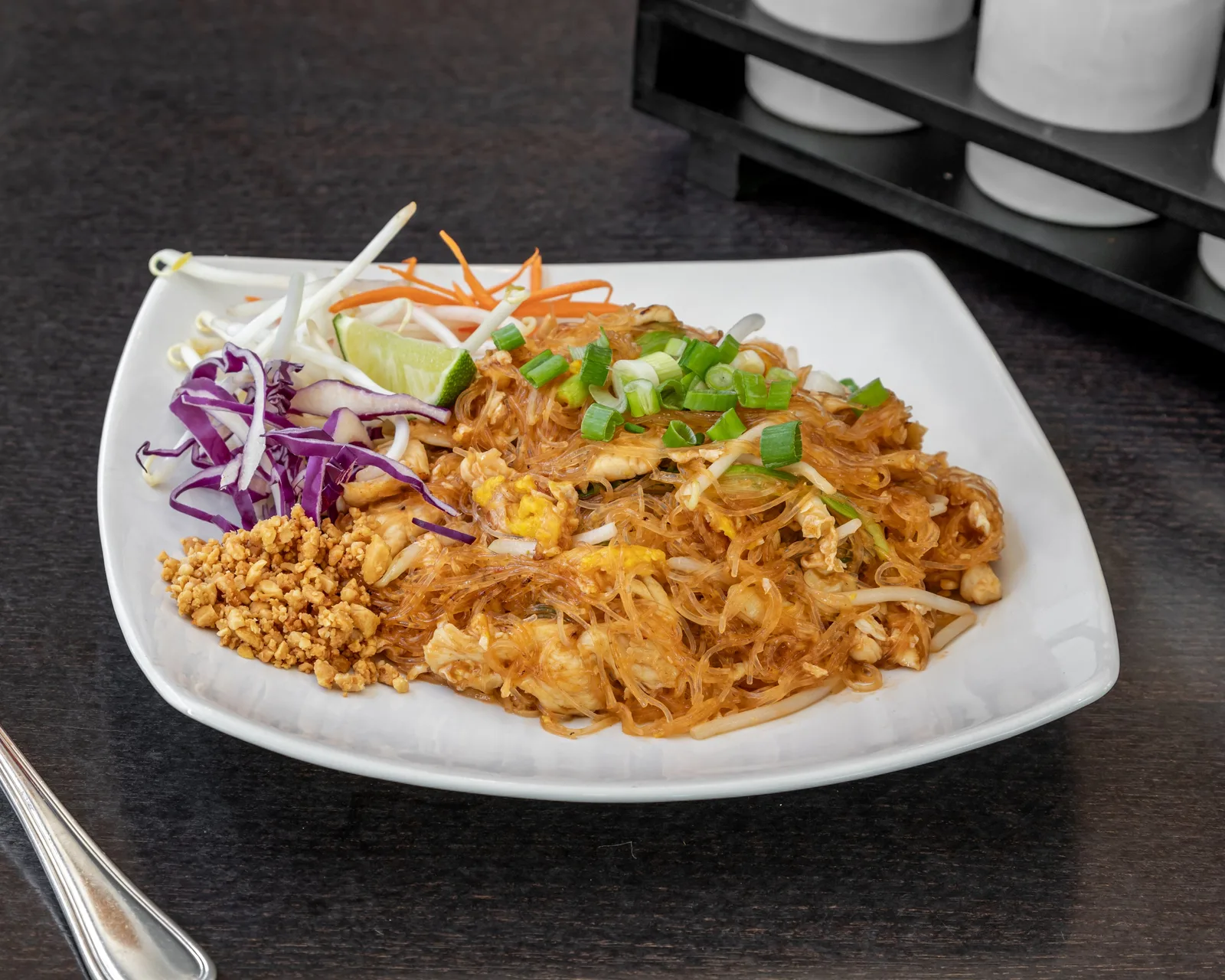
Either way, the payoff is a bowl of noodles that tastes like real Thai cooking instead of a watered-down interpretation.
Frequently Asked Questions
Can I make duck noodles ahead of time?
Yes, you can braise your duck a day or two ahead and store it in the fridge. The meat actually improves as the flavors settle. Just reheat your broth gently before serving. Cook your noodles fresh though. Cooked noodles don't hold up well overnight in broth.
What if I can't find a whole duck?
Duck breasts or legs work fine. Just adjust your cooking time down to about 45 minutes to 1 hour depending on the cut. You won't get quite as much gelatin and depth from using pieces instead of a whole bird, but the dish will still be delicious.
Is five-spice essential?
Yes, if you want authentic flavor. Five-spice is what gives Thai duck noodles their signature warmth and complexity. You can buy premixed five-spice powder, or mix your own with star anise, cinnamon, cardamom, cloves, and black pepper. It's worth seeking out.
How do I store leftover duck noodles?
Store the broth and shredded duck separately from the noodles. The noodles will get mushy if they sit in broth. Keep everything in airtight containers in the fridge for up to 3 days. Reheat gently on the stove, assemble with fresh noodles, and add garnishes right before eating.
Hungry?
Order Now →