
If you've ever wondered why Thai food tastes so different depending on where you eat it, you're onto something real. Authentic Thai cuisine operates on completely different principles than the Americanized versions most people grew up eating. The differences go way deeper than just the spice level.
Here's the honest truth: authentic Thai food is fundamentally about balance, restraint, and fresh ingredients working in harmony. Western Thai restaurants often flip that script entirely. Understanding what makes authentic Thai food different will completely change how you order and what you look for when you're craving real Thai flavors.
Related: Thai Basil Noodles in Seattle: Where to Find Authentic Flavors
The Four-Flavor Balance That Defines Authentic Thai Cuisine
Every single authentic Thai dish is built on the same framework: salty, sweet, sour, and spicy. These four flavors are supposed to work together in every bite, creating complexity without any one flavor drowning out the others.
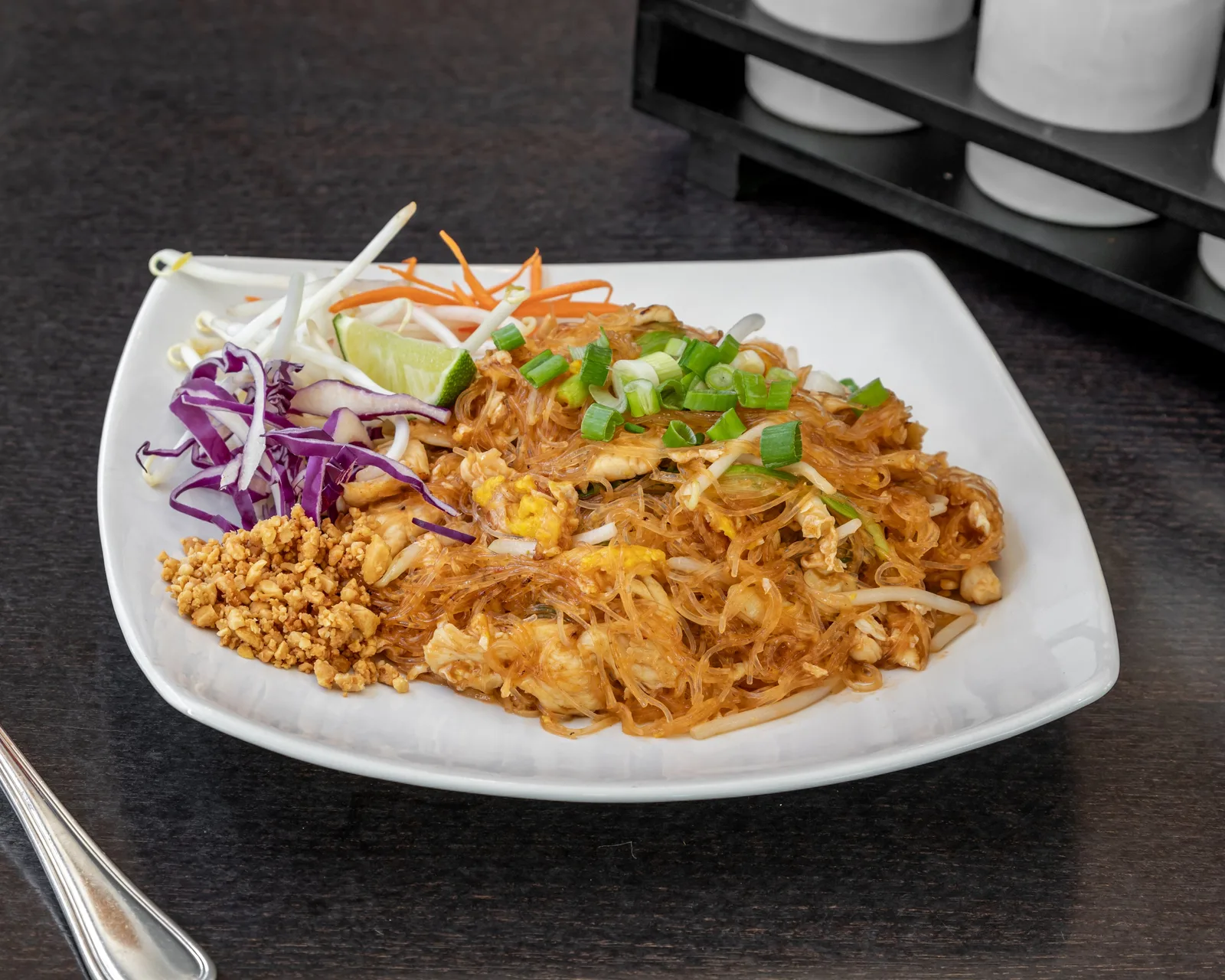
In Western Thai restaurants, you usually get one dominant flavor. Maybe it's sweet (like pad thai drowning in peanut sauce) or spicy (heat for heat's sake). Authentic Thai cooking treats these four flavors like instruments in an orchestra. They each have a role to play.
When you taste a dish from Yoksod Noodles and Thai, you'll notice you can actually taste each component. The salty from fish sauce hits alongside fresh lime's tartness. The sweetness comes from a touch of palm sugar or coconut milk, not loads of added sugar. Heat from chilies balances everything else instead of overshadowing it.
This balance is intentional. It's not an accident.
Fresh Ingredients Over Convenience Products
Here's where most Western Thai restaurants cut corners: they use powdered seasonings, pre-made pastes, and shelf-stable shortcuts instead of fresh ingredients.
Authentic Thai cooking demands fresh aromatics. We're talking about fresh garlic, fresh ginger, fresh lemongrass, and fresh chilies. These ingredients are exponentially more flavorful than their dried, powdered, or jarred counterparts. The difference isn't subtle. It's night and day.
Fresh herbs are equally non-negotiable. Thai basil, cilantro, mint, and Thai parsley aren't just garnishes. They're core ingredients that add depth and complexity to dishes. When a restaurant skips fresh herbs or uses them sparingly, you're basically eating a completely different dish.
A real Thai kitchen has fresh herbs on hand constantly. They're chopped, prepped, and ready to go into nearly every dish. Western restaurants often treat herbs as optional finishing touches, if they use them at all.
According to research in nutrition science, fresh herbs retain significantly more bioactive compounds and flavor compounds compared to dried alternatives, making them nutritionally and culinarily superior choices in cooking.
Light Preparation Methods, Not Heavy Sauces
Western Thai restaurants love heavy sauces. Thick peanut sauce. Sticky sweet-and-sour glaze. Creamy coconut curries that coat your mouth. These sauces are delicious, sure, but they're not how authentic Thai food works.
Real Thai cuisine emphasizes light preparation. Stir-frying at high heat is the backbone. Steaming is common. Grilling happens frequently. These methods preserve the natural flavors and textures of ingredients instead of masking them with heavy sauces.
When you stir-fry correctly at high heat, you get what's called the Maillard reaction, which creates complex, savory flavors naturally. You don't need a thick sauce to make it taste good. The ingredients speak for themselves.
Coconut milk, which does appear in authentic Thai curries, is used differently than Western versions. It's thinner, more subtle, and meant to complement other flavors rather than overwhelm them. Many authentic dishes don't use coconut milk at all.
Related: Thai Noodles: Types, Dishes & Authentic Recipes
Hungry?
Order Now →Portion Sizes Matter More Than You Think

Walk into a typical American Thai restaurant and your plate is massive. The noodles pile high. The curry overflows. One entree could feed two people easily.
Authentic Thai restaurants serve smaller portions. This isn't because they're cheap or trying to cut costs. It's because Thai food is designed to be enjoyed in balance. Smaller portions mean you taste all the flavors distinctly instead of food fatigue setting in halfway through.
Thai dining is also communal traditionally. Multiple small dishes are shared. You try lots of different flavors in one meal instead of committing to one huge entree. This style of eating encourages appreciation of subtlety and variety.
Pricing at authentic Thai establishments reflects this philosophy too. You'll pay less because portions are smaller and ingredients, while high quality, are used efficiently.
What's Actually Important in Authentic Thai Food
Spring rolls? Not a cornerstone of Thai cuisine. Heavily breaded, deep-fried items? Not central to the tradition. Massive amounts of meat? Not how traditional Thai cooking works. These are Western additions designed to match American expectations.
What matters in authentic Thai food:
- Balance of four core flavors in every dish
- Fresh herbs incorporated throughout, not just as garnish
- High-heat cooking methods that enhance rather than hide ingredients
- Quality ingredients prepared simply
- Portion sizes that let you taste complexity instead of overwhelming your palate
- Coconut milk used sparingly and purposefully, not as a blanket flavor
When you know what to look for, you can spot authentic Thai restaurants immediately. The menu is simpler. The prices are reasonable. The flavors are layered and balanced. The portions don't overwhelm your plate.
Learning to Taste Authentic Thai the Right Way
Your palate might need to adjust if you're used to Western Thai food. That first bite might taste less sweet, less heavy, less obvious. That's actually the signal you're tasting something real.
Pay attention to the different flavors as you eat. Can you identify the lime? Do you taste the garlic distinctly? Is there heat that doesn't obliterate your other senses? Does the dish have layers that unfold as you eat?
When you find a restaurant that gets this right, like Yoksod Noodles and Thai here in Seattle, you'll understand why people travel specifically to eat authentic Thai. It's not just different. It's better. Your taste buds and your body both notice the difference.
The freshness hits first. The balance comes next. Then you get the complexity that keeps you coming back. That's what makes authentic Thai food stand apart.
Frequently Asked Questions
Why is authentic Thai food less sweet than American Thai restaurants?
Authentic Thai cuisine uses sweetness as one of four balanced flavors, not as the dominant note. Western restaurants added extra sugar and sweet sauces to appeal to American palates, which historically prefer sweeter flavors in savory dishes. Real Thai cooking lets other flavors shine equally.
Is authentic Thai food always spicy?
No. Authentic Thai food has heat, but heat is just one of four flavors. Many traditional dishes are mild or medium because the cook balances spice with other elements. Western Thai restaurants often crank up heat because it's an easy way to make food taste "bolder" to unfamiliar palates.
Why do authentic Thai restaurants have smaller portions?
Smaller portions are intentional. They prevent flavor fatigue and let you taste all the nuanced flavors in each dish. Thai dining traditionally involves sharing multiple small dishes to experience variety. This approach also respects that quality ingredients don't need massive quantities to satisfy.
What should I order to taste authentic Thai food?
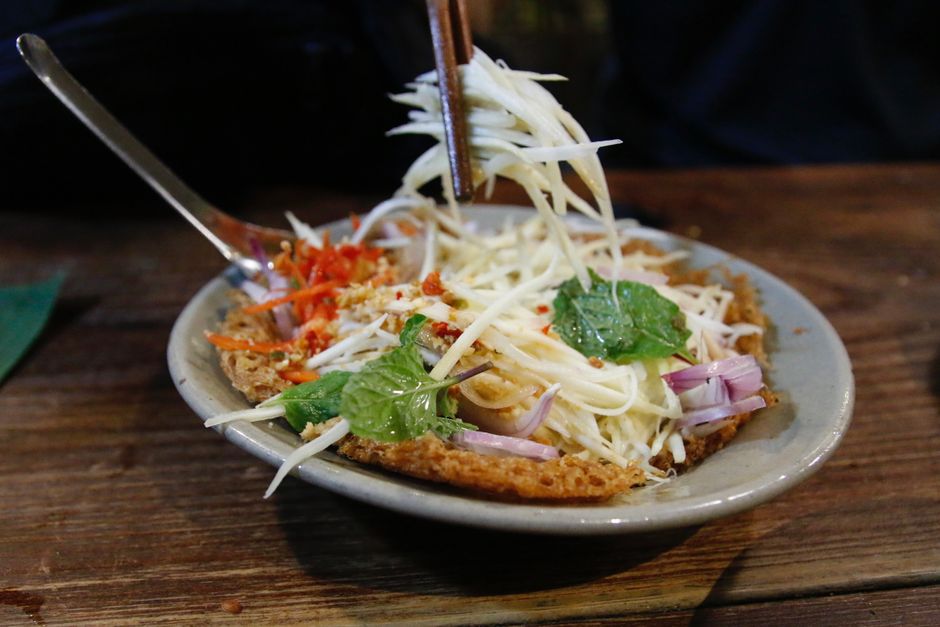
Look for dishes focused on fresh herbs like larb, tom yum soup, or stir-fried vegetables. Avoid anything described as "crispy" or "fried" as the main feature. Ask what the kitchen makes with fresh ingredients rather than sauces. If the restaurant can tell you about their sourcing and cooking methods, that's a great sign you're eating authentically.
Hungry?
Order Now →