
Pad thai rice noodles are one of Thailand's most iconic dishes, and the good news is you can make it at home with solid technique and fresh ingredients. The base is always thin, flat rice noodles, but what makes pad thai special is the balance of sweet, sour, and savory flavors that come together in one quick stir-fry. Most versions take around 5 minutes to cook once you've got everything prepped and ready to go.
If you want authentic pad thai rice noodles without the hassle, Yoksod Noodles and Thai specializes in traditional recipes made with real ingredients. But if you're set on making it yourself, keep reading to nail the technique.
Related: Thai Noodles: Types, Dishes & Authentic Recipes
Related: Pad Thai Noodles: How to Make Authentic Thai Stir-Fry at Home
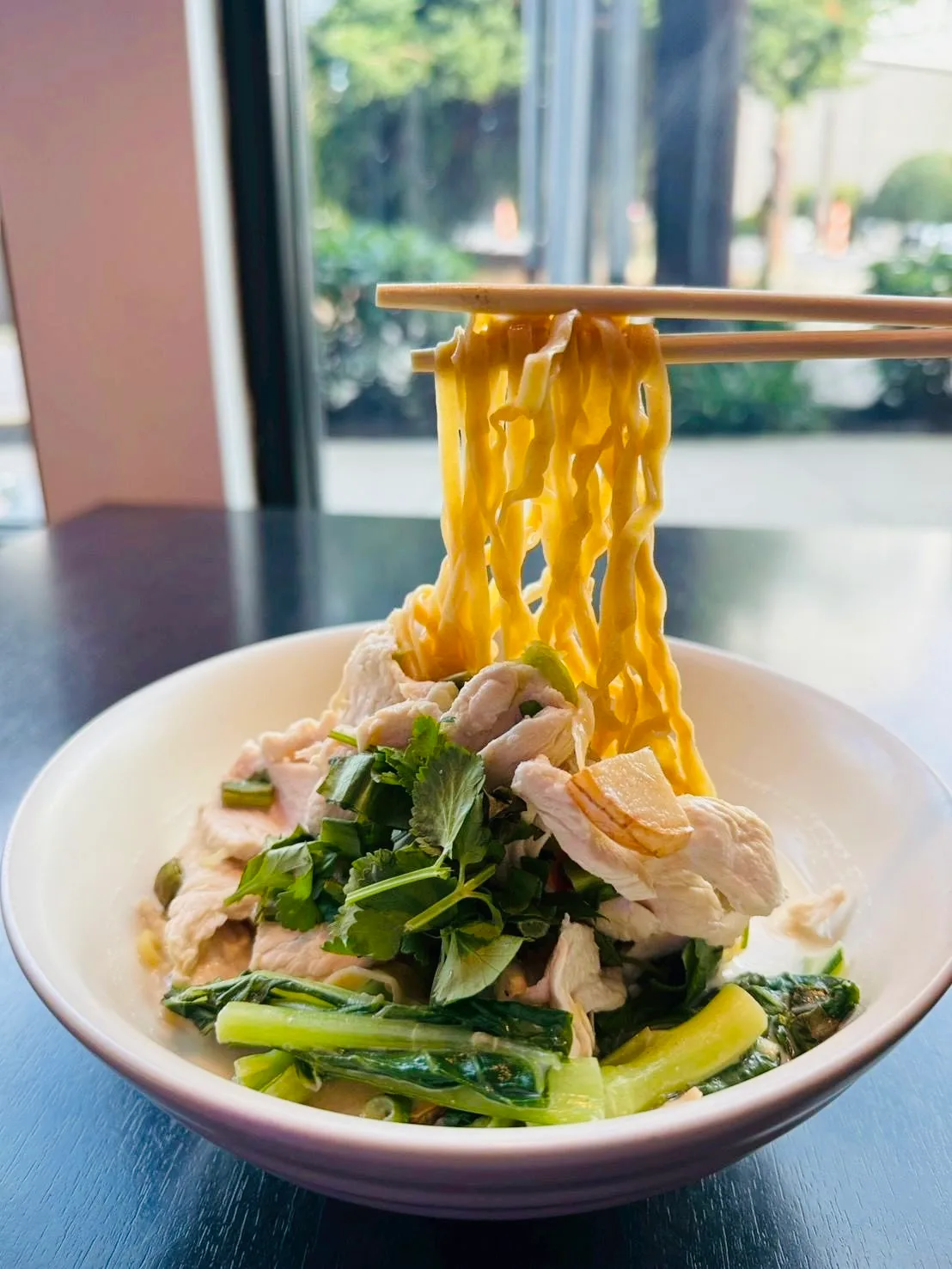
The Core Ingredients for Pad Thai Rice Noodles
Pad thai rice noodles start with a flavor foundation that hits all three taste notes at once. You need tamarind juice for the sour kick, fish sauce for umami depth, and a touch of sweetness to round it all out. These three are non-negotiable if you want it to taste authentic.
Beyond the sauce, you'll need eggs and firm tofu for protein, plus dried shrimp to add that extra umami punch that makes pad thai taste complex and crave-worthy. Fresh bean sprouts are your textural anchor, giving you a crisp contrast to the soft noodles. If you want to add shrimp or chicken on top of the tofu, go for it, but the dried shrimp in the sauce is already doing heavy lifting flavor-wise.
Crushed peanuts are the traditional garnish. They're not optional if you want the real deal. Garlic rounds out the flavor profile and ties everything together.
Prepping Your Pad Thai Rice Noodles Before Cooking
The secret to fast pad thai is prep work. Get everything cut, measured, and sitting in small bowls before you heat your pan. This is called mise en place, and it's the reason restaurants make pad thai in 5 minutes flat.
Soak your rice noodles in room-temperature water for about 30 minutes until they're soft but still have a slight bite to them. You're not cooking them yet, just softening them so they'll fry properly without breaking apart. Drain them well before they hit the pan.
Mince your garlic finely and crumble your firm tofu into bite-sized pieces. Chop your chicken or shrimp into small chunks if you're using them. Have your bean sprouts ready in a separate container. Keep your sauce ingredients in one bowl: tamarind juice, fish sauce, a bit of sugar, and a squeeze of lime if you have it. Mix this together before you start cooking.
How to Stir-Fry Pad Thai Rice Noodles
Heat your wok or large skillet over medium-high heat and add oil. Once it's hot, add your garlic and let it cook for just a few seconds until it's fragrant, then add your proteins (tofu, dried shrimp, and any fresh shrimp or chicken). Cook these until they're almost done.
Push your proteins to the side of the pan and crack your eggs into the empty space. Scramble them lightly, then fold everything together. This is when you add your softened rice noodles and your prepared sauce all at once.
Toss everything together constantly for 2-3 minutes. The noodles will start to separate and soak up the sauce. They should look glossy and well-coated. If they're sticking together or drying out, add a splash of water and keep tossing.
Taste as you go. This is critical. If it needs more sour, add tamarind or lime. If it needs more salt, add fish sauce a little bit at a time. If it's too salty or sour, a pinch of sugar helps balance it. You control the flavor, so adjust until it hits that sweet-sour-savory spot that makes pad thai addictive.
Right before you plate it, fold in your bean sprouts so they stay crisp. Don't cook them into the noodles or you'll lose that fresh crunch.
Related: Thai Chili: Heat, Flavor & How to Use It Right
Plating and Garnishing Your Dish

Once your pad thai rice noodles are cooked, transfer them to a plate and top with crushed peanuts, more fresh bean sprouts, and a wedge of lime. Some people add a pinch of chili flakes or fresh Thai chilies if they like heat. A few cilantro leaves on top look nice too, though they're not essential.
The peanuts aren't just for looks. They add richness and a nutty depth that balances the sharp tamarind. Don't skip them.
If you're looking for restaurant-quality pad thai rice noodles without doing the work yourself, Yoksod Noodles and Thai makes authentic versions you can enjoy in the restaurant or order for delivery in the Seattle area. Their chefs know how to balance those flavors perfectly and they use real tamarind, fresh tofu, and quality fish sauce.
Hungry?
Order Now →Common Mistakes to Avoid
Don't soak your rice noodles too long or they'll turn to mush. Thirty minutes is the sweet spot. Going longer than that and they'll fall apart in the pan.
Don't skip tasting as you cook. Pad thai is all about balance, and every kitchen, every ingredient brand, and every batch of tamarind will be slightly different. Your palate is your guide.
Don't cook the bean sprouts. Add them at the very end so they stay crisp and fresh.
Don't use more than one or two tablespoons of sauce for a serving. Pad thai should be coated but not swimming in liquid. The noodles should absorb the sauce, not sit in a pool of it.
Don't rush the garlic step. A few extra seconds of cooking brings out its sweetness and mellows the sharp bite, which is important for the overall flavor balance.
Tips for Restaurant-Quality Results at Home
The key to restaurant-quality pad thai rice noodles at home is respecting the technique and not overthinking it. Use high heat, keep your movements quick and confident, and taste constantly. The stir-fry itself is fast, so be ready.
Source the best tamarind juice you can find. It's the backbone of the dish, and lower-quality versions will taste flat. Fish sauce matters too. It's pungent raw, but in pad thai it adds depth that nothing else can replicate.
If you're cooking for a crowd, make each serving one at a time or in very small batches. Pad thai doesn't scale well in one pan. The noodles won't coat evenly and you'll end up with some bits that are perfectly seasoned and others that are bland.
Don't be afraid of the sour and salty elements. Thai food lives in those flavor extremes, and the sweetness and richness of the peanuts and eggs balance them out. If your first attempt tastes timid, you might not have enough tamarind or fish sauce.
Ingredients Summary for Easy Reference

- Thin, flat rice noodles
- Tamarind juice
- Fish sauce
- Sugar or honey
- Eggs
- Firm tofu or shrimp or chicken
- Dried shrimp
- Bean sprouts
- Crushed peanuts for garnish
- Garlic, minced
- Oil for cooking
- Lime wedges
- Optional: chili flakes, cilantro
When to Leave It to the Pros
Pad thai rice noodles come together quickly once you start cooking, but getting the balance right takes practice. If you're short on time or want to skip the cleanup, ordering from someone who makes it every day is the smarter move. The flavors will be more developed, and you'll taste the difference that experience makes.
Is pad thai made with rice noodles or egg noodles?
Authentic pad thai is made with rice noodles, specifically thin, flat rice noodles. They're softer than egg noodles and absorb the sauce better. Egg noodles would change the texture and feel of the dish completely. Stick with rice noodles if you want the real thing.
How do you soften rice noodles for pad thai?
Soak them in room-temperature water for about 30 minutes. They should be soft enough to bend but still have a slight firmness. If you cook them in boiling water first, they'll fall apart during the stir-fry. The soak method gives you better control.
Can you make pad thai ahead of time?
You can prep all your ingredients ahead, which saves a lot of time. But pad thai tastes best when it's cooked fresh and eaten right away. If you make it and refrigerate it, reheat it gently in a pan with a splash of water and it'll be decent, but it won't have that fresh, vibrant quality that makes it special.
What's the difference between tamarind and lime in pad thai?
Tamarind gives pad thai a deep, complex sour note that's slightly fruity. Lime is brighter and sharper. Real pad thai uses tamarind as the main sour element, though a squeeze of lime at the end adds freshness. They work together, not as substitutes.
Hungry?
Order Now →