
Thai chili is a small, tapered red pepper that packs serious heat and is absolutely essential to authentic Thai cooking. Also known as bird's eye chili because of how it grows pointing upward on the plant, this little powerhouse delivers anywhere from moderately hot to very spicy kick depending on the variety and how ripe it is.
If you've ever wondered why Thai food tastes the way it does, a big part of that answer is thai chili. It's not just about heat though—there's real flavor underneath all that spice, which is why it shows up in nearly every Thai dish you'll eat.
What Makes Thai Chili Different
Thai chilies are small but mighty. They're usually about 2-3 inches long with a tapered shape that comes to a point. The red ones you see most often are fully ripe and pack the most heat, though you'll also find green ones that are slightly less spicy and fresher tasting.
The heat level is what gets people's attention first. We're talking significantly spicy here—way hotter than a jalapeño. If you're new to Thai food, you'll want to start small and work your way up. One chili can transform an entire dish, so a little goes a long way.
What really matters is that thai chili brings flavor along with the fire. It's not a one-note heat bomb. There's a brightness and intensity that makes food taste more alive and fresh. That's why Yoksod Noodles and Thai uses these chilies throughout their authentic dishes—the flavor profile is just right for real Thai cooking.
Related: Pad Thai Rice Noodles: How to Cook It Right
Related: What Is Thai Spice? A Guide to Authentic Flavors
Related: Thai Peanut Noodles: Easy Recipe & Flavor Guide
Related: Thai Street Food: The Dishes You Need to Try
Related: Thai Noodle Bar Guide: What to Order & Expect
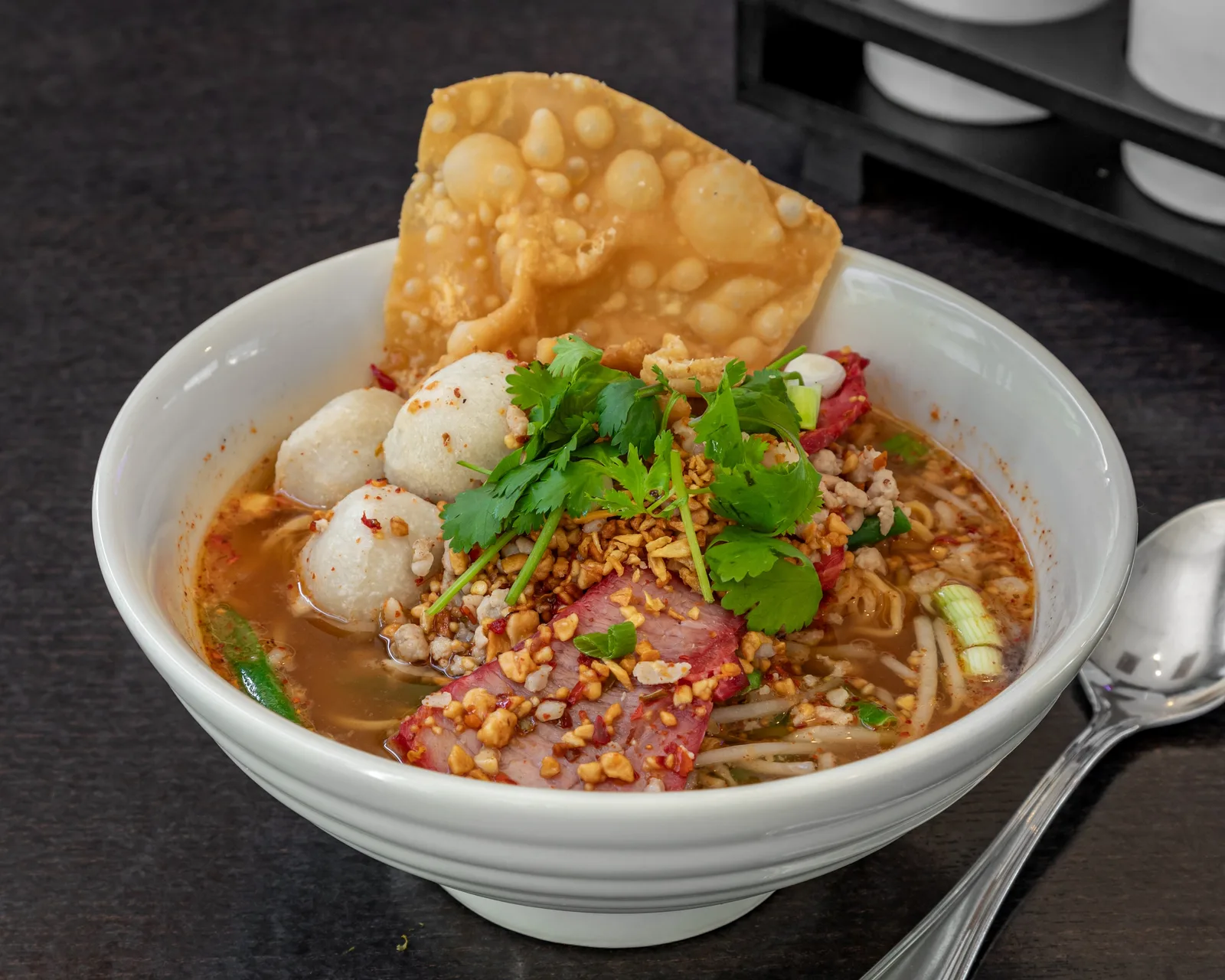
How to Use Thai Chili in Your Cooking
The most straightforward way to use thai chili is to slice it fresh and add it to your dish near the end of cooking. This keeps the flavor bright and the heat sharp. If you want more controlled heat, remove the seeds and white membrane inside before slicing—that's where most of the capsaicin (the compound that makes peppers spicy) lives.
You can also make a quick chili paste by pounding fresh chilies with garlic and salt. Use a mortar and pestle or just mash them in a bowl with a fork. This paste works great as a condiment or as a base for sauces and dressings.
Dried thai chilies are another option if you can't find fresh ones. They're more concentrated in flavor and heat, so use them sparingly. Soak them in hot water for a few minutes to soften them before using, or grind them into a powder for a versatile spice.
Thai chili also works beautifully in combination with other flavors. Lime juice is the classic pairing—the citrus brightness cuts through the heat and balances it perfectly. Garlic and onion are friends too. If you're feeling adventurous, try adding thai chili to dishes with lemon or yuzu for a more modern twist.
Growing Your Own Thai Chilies
If you're interested in having fresh thai chilies on hand, you can grow them yourself. They're fairly straightforward to cultivate and produce upright-pointing fruit that looks pretty cool on the plant. You can start from seed or transplants depending on what's available in your area.
The main thing to know is that birds love ripe chilies, so you might need to protect your plants if you want to harvest them yourself. It's a small price to pay for having fresh, homegrown thai chilies ready whenever you need them.
Once you start growing them, you'll realize how much fresher your cooking can taste. There's nothing quite like picking a chili right off the plant and using it in a meal the same day.
Hungry?
Order Now →Thai Chili Beyond Thailand

While thai chili is most famous for its role in Thai cuisine, it's actually used throughout Southeast Asia. Vietnamese, Laotian, and Malaysian cooks all rely on these chilies to build flavor and heat in their dishes.
The versatility is part of what makes it so valuable in the kitchen. You can use it in curries, stir-fries, soups, salads, and even as a finishing touch on grilled proteins. The chili-lime combination has become especially popular in contemporary cooking for seasoning fish, chicken, and other proteins.
Related: What Makes an Orchid Thai Restaurant Special
The point is that once you understand how to work with thai chili, your cooking opens up. You're not limited to Thai dishes—you can bring that authentic heat and brightness to anything you make.
Handling Thai Chili Safely
One thing nobody tells you until it's too late: thai chili can burn your hands and eyes. If you're sensitive to spicy peppers, wear gloves while handling them. After you're done cutting or preparing them, wash your hands thoroughly with soap and warm water—the oils from the chili cling to your skin and can irritate sensitive areas.
Avoid touching your face while working with thai chilies, and definitely don't rub your eyes. If you do accidentally get chili oil in your eye, rinse it out with cold milk or yogurt—water alone won't help much because capsaicin is oil-based.
The same caution applies to your mouth. If you bite into a whole thai chili expecting mild heat and get the full force instead, drink some milk to cool things down. Don't reach for water—it spreads the heat around.
Storing Thai Chilies
Fresh thai chilies keep well in the refrigerator for up to two weeks if you store them in a plastic bag or container. They'll gradually lose some potency and freshness over time, so use them sooner rather than later for the best flavor.
If you want to keep them longer, you can freeze whole chilies for up to three months. They thaw quickly and work well in cooked dishes, though they won't have quite the same texture as fresh if you're using them raw.
Dried thai chilies last much longer—several months in an airtight container kept away from heat and light. They're a great backup option to have on hand so you're never without heat and flavor when you need it.
Where to Find Quality Thai Chilies

Your best bet is an Asian grocery store or market where they get fresh shipments regularly. The chilies should be firm, shiny, and free of soft spots or wrinkles. Farmers markets in areas with Southeast Asian communities often have fresh chilies too, and the vendors can usually tell you exactly how hot they are.
If you can't find fresh thai chilies locally, dried ones from any grocery store work fine. Look for ones that are still bright red and smell fragrant—that's a sign they're fresh and haven't been sitting in storage for years.
Of course, if you want the full experience of authentic Thai food with properly balanced heat and flavor, Yoksod Noodles and Thai handles all the prep work for you so you can just enjoy the meal.
Common Questions About Thai Chili
Is thai chili the same as bird's eye chili?
Yes, bird's eye chili is just another name for the same pepper. The name comes from how the chilies grow pointing upward on the plant, which supposedly resembles bird's eyes. You'll see both names used interchangeably, especially in recipes and at markets.
How hot is thai chili compared to other peppers?
Thai chilies are significantly hotter than jalapeños and bell peppers, but not quite as intense as habaneros or ghost peppers. The exact heat level depends on the specific variety and how ripe it is, but generally expect a serious kick that builds in your mouth rather than hitting all at once.
Can I substitute thai chili for other hot peppers?
You can substitute other hot peppers in a pinch, but the flavor will change. Thai chilies have a specific bright, intense character that other peppers might not deliver the same way. If you're going for authentic Thai flavor, they're worth hunting down.
What should I do if a dish is too spicy?
Dairy is your friend—milk, yogurt, sour cream, or coconut milk will all help cool things down. Adding more of the other ingredients in your dish also dilutes the heat. Start with small amounts of thai chili next time and work your way up to what your palate can handle.
Hungry?
Order Now →