
Here's the thing most people get wrong about eating Thai food: they reach for chopsticks. Don't. Thai food is eaten with a fork and spoon, and once you know how to use them together, every meal becomes way more enjoyable and respectful to the cuisine itself.
If you've ever wondered how to eat Thai food properly, you're not alone. Whether you're dining in or ordering online from Yoksod Noodles and Thai, understanding the right technique transforms the whole experience. It's not complicated, but it does matter.
Related: Best Fresh Thai Food Online Ordering in Seattle, WA
Related: Best Thai Tom Yum Soup Near Seattle, WA | Authentic & Fresh
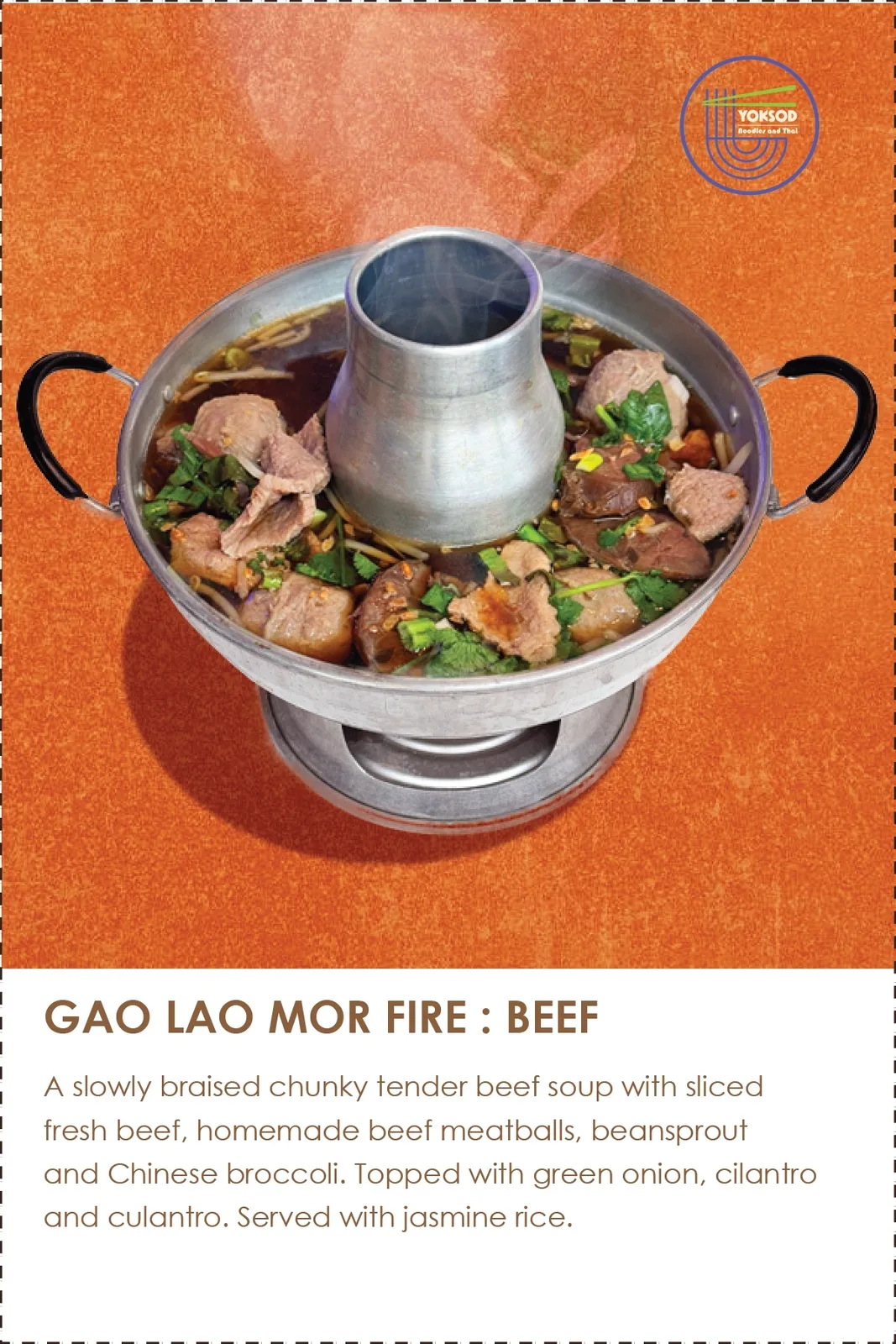
Why Fork and Spoon, Not Chopsticks?
Thai dining culture developed differently than Chinese or Japanese cultures. Thailand has its own utensil tradition, and it centers on the fork and spoon combo. This isn't random—it's built into how Thai food is prepared and meant to be eaten.
Chopsticks are for picking up solid items. Thai cuisine features curries, stir-fries with sauces, and rice that all need to work together. The fork and spoon let you compose each bite perfectly, mixing flavors and textures exactly how the chef intended.
Think of it this way: using chopsticks for Thai curry is like trying to eat soup with a fork. Technically possible, but you're working against the food instead of with it.
The Fork and Spoon Technique
Here's how to eat Thai food properly:
- Hold the fork in your left hand and the spoon in your right hand. (Reverse if you're left-handed—no judgment.)
- Use the fork to push rice, curry, and other components onto the spoon. Think of the fork as your helper, not your primary eating tool.
- The spoon does the heavy lifting. It's your main utensil. You bring the spoon to your mouth, not the other way around.
- Build intentional bites. Each spoonful should have rice, protein, and sauce together. That balance is where Thai food shines.
The whole point is control. You're not rushing. You're composing each bite like a tiny work of art, mixing the elements to hit all the flavors and textures at once.
How to Plate and Prepare Your Food
Before you even pick up your fork, the setup matters. When your dish arrives—whether it's a rich curry, stir-fried noodles, or a vegetable dish—here's what to do:
Curry dishes: Ladle the curry over your rice before you start eating. Don't eat them separately. The rice soaks up the sauce, and everything becomes one cohesive dish. This is key to understanding how to eat Thai food properly.
Stir-fries: If your protein and veggies come mixed with sauce, you're ready to go. Use your fork to corral components onto your spoon.
Rice on the side: Some dishes come with rice separate. That's intentional. You'll use the rice as a base and vehicle for other components on your plate.
Taking a moment to arrange your plate sets you up for success. You'll eat slower, enjoy more, and actually taste what the kitchen created.
Composing the Perfect Bite

This is where technique becomes art. Every bite should feel balanced and intentional.
Picture your spoon as a small plate. Use your fork to push a little rice onto it. Add a piece of protein. Scoop up some sauce or veggies. Now you've got sweet, spicy, savory, and texture all on one spoon. That's the goal.
Don't load it up like you're in a rush. Thai food rewards patience. Small bites, varied components, let the flavors hit your palate individually before they blend together.
This technique is especially important with curries. A spoonful of red curry with coconut milk, tender chicken, and fragrant rice—that's a complete experience. You're not eating rice and curry; you're eating curry-with-rice as one thing.
Thai Dining Etiquette Beyond Utensils
Knowing how to eat Thai food properly goes beyond just fork and spoon. There are a few other unwritten rules worth respecting:
- Pace yourself. Thai meals are social and meant to be leisurely. You're not racing.
- Share dishes when possible. Thai culture emphasizes communal eating. If you're with others, ordering multiple dishes to share is the way to go.
- Respect the rice. It's never wasted or left uneaten. Finish what's on your plate or take it home.
- The spoon comes first to your mouth, not the fork. You might see your fork touch your mouth, but the spoon is the active eating utensil.
When you visit Yoksod Noodles and Thai or any authentic Thai restaurant, staff often appreciate when diners approach the meal this way. It shows respect for the cuisine and the effort that went into preparing it.
Hungry?
Order Now →Common Mistakes to Avoid
Using a knife. You shouldn't need one. Thai dishes are already cut into bite-sized pieces. If something feels too big, use your spoon and fork to break it apart on your plate.
Mixing everything together like a casserole. Don't stir your entire plate into a uniform mush. Let components maintain some identity so you can taste each element.
Eating rice and curry completely separately. Again, they're meant as one dish. Every spoonful should have both.
Chopsticks. We said it already, but it's worth repeating. They're not the move for Thai food.
The good news? You don't need to be perfect. Thai people are generally forgiving and welcoming to anyone genuinely trying to enjoy their food respectfully.
Why This Matters for Your Experience

Learning how to eat Thai food properly actually changes how you taste it. When you slow down, compose intentional bites, and let flavors work together the way they're designed to, the whole meal becomes richer.
Thai cuisine is built on balance: sweet, salty, sour, and spicy working together. That balance only hits right when you're eating components together, in the right proportion, with the right technique. Fork and spoon isn't arbitrary tradition—it's functional design.
Next time you're craving authentic Thai flavors, whether you're sitting down at a table or picking up your order, take these techniques with you. You'll notice the difference immediately. Every restaurant, including places focused on authentic Thai dining, appreciates diners who engage with their food thoughtfully.
Quick Reference: Your Fork and Spoon Cheat Sheet
- Fork in left hand, spoon in right (or reverse if left-handed)
- Fork pushes food onto the spoon
- Spoon is your eating utensil
- Compose each bite with multiple components
- Pour curry over rice before eating
- Take small, intentional bites
- No chopsticks, knives, or fork-and-knife combos
- Finish your rice
That's it. You've got this.
People Also Ask
Is it disrespectful to use chopsticks when eating Thai food?
Not necessarily disrespectful, but it's not the traditional or practical way. Thai dining culture didn't develop around chopsticks. Using a fork and spoon shows you understand and respect the cuisine's heritage. Restaurants won't judge you, but locals will appreciate the effort.
Can I use a knife and fork together like Western food?
You *can*, but you don't need to. Thai food comes pre-cut into bite-sized pieces. A knife-and-fork approach is clunkier and breaks up the flow of eating. Fork and spoon is designed specifically for this cuisine. Once you try it, the other way feels awkward.
What if I'm left-handed?
Simple: spoon in your left hand, fork in your right. The technique stays exactly the same. No one cares which hand holds what. The important part is using fork and spoon together, not which side they're on.
Do I need to eat Thai food slowly?
You don't *need* to, but you'll enjoy it way more if you do. Thai cooking is about layered flavors and balanced heat. Rush through it, and you miss the complexity. Take your time, taste each component, and let the spices build. Plus, pacing lets your palate reset between bites, so you experience the food more fully than if you're wolfing it down.
Hungry?
Order Now →